
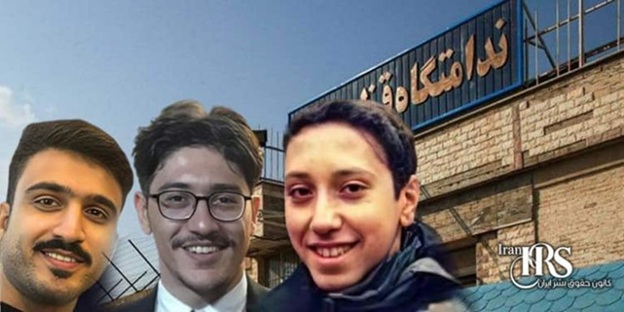
The Ekbatan Township Case highlights Iran’s systematic judicial repression. It targets protesters from the 2022 unrest. Authorities use harsh charges to silence dissent. This case reflects broader human rights violations. Torture and unfair trials threaten the defendants’ lives. International attention is crucial to address these injustices.
Iran Human Rights Society, Wednesday, July 2, 2025 – On June 30, 2025, Qezel Hesar Prison’s special guard attacked Ward 10, Hall 3. Three Ekbatan Township Case defendants—Navid Najaran, Alireza Bermerz Pournak, and Amirmohammad Khoshaghdam—suffered severe beatings. Guards used batons and tasers, causing serious injuries. The clash began among other prisoners. Yet, all inmates faced indiscriminate violence. This brutality underscores ongoing human rights abuses.
Harsh Detention Conditions
The three defendants face charges like “moharebeh” and complicity in murder. These carry potential death sentences. They are held with violent criminals, not political prisoners. Consequently, they endure constant threats and assaults. Sharp objects and psychological pressure intensify their suffering. Such conditions violate human rights and prison regulations. The Ekbatan case demands urgent scrutiny.
Other Defendants at Risk
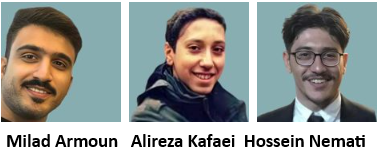
Milad Armoun, Alireza Kafaei, and Hossein Nemati also face execution risks. They endure similar harsh conditions. The Ekbatan Township Case defendants lack proper legal protections. Systematic violence breaches international standards. For instance, the law on crime separation is ignored. Human rights groups call for action to protect these prisoners.
Final Court Session in 2024
The last court session occurred on November 2-3, 2024. It was held at Tehran’s Criminal Court, Branch 13. Eight defendants, including Milad Armoun and Hossein Nemati, defended against murder charges. The Ekbatan Township Case stems from 2022 protests. The session marked a critical point. However, the judicial process remains opaque.
Charges Linked to 2022 Protests
The Ekbatan case arose after Basij member Arman Ali-Verdi’s death in 2022. Defendants face moharebeh and national security charges. These could lead to execution. After nearly two years, the case nears its end. In September 2024, four detainees’ cases returned to court. Judges at Branch 13 and Branch 15 oversee this controversial case.
Torture in IRGC Detention
On May 7, 2024, defendants moved to IRGC Intelligence detention. No legal basis justified this transfer. They faced prolonged interrogations without lawyers. Reports confirm severe beatings and visible torture marks. The Ekbatan Township Case defendants endured intense pressure. This violates fair trial rights. Families report coerced confessions recorded without legal counsel.
Judiciary’s Push for Harsh Sentences
The judiciary spokesperson highlighted moharebeh charges before the final session. Cold weapons and security threats were cited. This suggests intent for death sentences. The Ekbatan Township Case lacks transparency. Independent lawyers are denied access. Such actions aim to suppress protests. Hundreds face similar charges across Iran.
Defendant Profiles
Milad Armoun, 25, was arrested first in November 2022. Seyed Mohammadmehdi Hosseini, 25, claims he was merely passing by. Mehdi Imani, 29, faced heavy pressure to confess. Navid Najaran, 32, is accused of complicity in Ali-Verdi’s death. Amirmohammad Khoshaghdam, Alireza Kafaei, Alireza Bermerz Pournak, and Hossein Nemati lack basic rights. The Ekbatan case denies them fair trials.
Human Rights Violations
The Ekbatan Township Case violates international standards. Article 5 of the Universal Declaration prohibits torture. Article 10 ensures fair hearings. Article 14 of the ICCPR guarantees legal representation. Beatings and coerced confessions breach these principles. Activists warn of imminent death sentences. Media and global support are vital.
Urgent Call for Action
The Ekbatan Township Case symbolizes Iran’s judicial repression. Torture, unfair trials, and execution risks threaten young protesters. Families and activists demand international intervention. Media coverage can highlight these injustices. The global community must act to prevent further tragedies. Support is critical to save the defendants’ lives.
Follow Iran Human Rights Society on social networks:
Telegram /Twitter /Instagram / YouTube / Facebook
Join Iran Human Rights Society on Twitter





Discussion about this post