
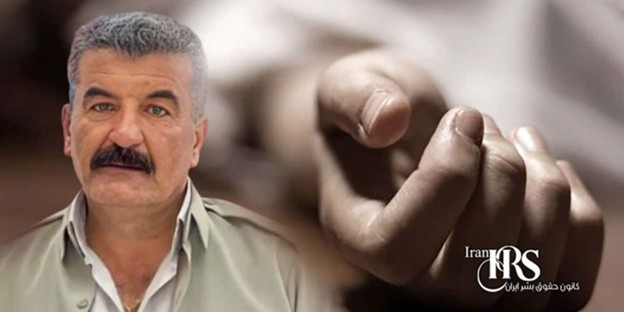
Kurdish political prisoner Qader Rasoulpour dies suspiciously in Mahabad Prison on release day, sparking outrage and calls for justice.
Iran Human Rights Society, Monday, July 21, 2025 –Qader Rasoulpour, a Kurdish political prisoner, died under mysterious circumstances in Mahabad Prison on July 18, 2025, hours before his scheduled release. This tragic incident ignites widespread concern about the treatment of political prisoners in Iran, particularly in Kurdistan. Rasoulpour’s death highlights a disturbing pattern of suspicious deaths in Iranian prisons, prompting demands for accountability. His family rejects the official narrative, fueling calls for an independent investigation into this alarming case.
Who Was Qader Rasoulpour?
Qader Rasoulpour, a 53-year-old resident of Mahabad, dedicated years to political activism. He spent nearly nine years in Iranian prisons due to his activities, including a stint as a member of the Komala Party from 1984 to 1990. This involvement led to an eight-year sentence. On February 8, 2025, security forces arrested him during a raid on his home in Mahabad’s Posht-Tappeh neighborhood. The Revolutionary Court later sentenced him to six months for “propaganda against the state.” His sentence was set to end on July 18, 2025, the very day he died.
Conflicting Accounts of Rasoulpour’s Death

On the day of his release, Rasoulpour’s family grew anxious when his freedom was delayed. They contacted Mahabad Prison, only to learn from authorities that he had “suffered a seizure while bathing” and died. However, his family strongly disputes this claim. They insist Qader had no known health issues. Just two days earlier, during a family visit, he appeared healthy and optimistic, telling them he would soon be free. The lack of transparency deepens their distrust. Rasoulpour’s body was quickly moved to the coroner’s office in Urmia, but no clear report on his cause of death has emerged.
A Pattern of Suspicious Deaths in Iran’s Prisons
Rasoulpour’s death fits a troubling trend of political prisoners dying under questionable circumstances in Iran. Authorities often attribute these deaths to sudden illnesses or accidents, yet they rarely allow independent investigations. For instance, similar cases have occurred in other facilities, where detainees face torture and neglect. Mahabad Prison, in particular, draws criticism for its harsh conditions and lack of medical care. Activists argue that these incidents reflect a deliberate strategy to silence dissent, especially among Kurdish and other minority groups.
The Rasoulpour Family’s Demand for Justice
Qader Rasoulpour’s family refuses to accept the prison’s explanation. They emphasize that he showed no signs of illness or physical weakness. “Qader was healthy,” they stated, demanding a transparent investigation into his death. Their grief and frustration echo the sentiments of many families who have lost loved ones in Iran’s prisons. They believe the authorities are hiding the truth, and their call for justice resonates with human rights advocates worldwide.
Human Rights Violations in Rasoulpour’s Case
The circumstances of Rasoulpour’s death violate several international human rights standards:
– Right to Life: Everyone has the right to life. A suspicious death on the day of release raises serious concerns about state accountability.
– Freedom from Torture: No one shall face cruel, inhuman, or degrading treatment. The unclear circumstances and potential mistreatment in Mahabad Prison suggest a breach of this right.
– Protection from Arbitrary Detention: Arbitrary arrests are prohibited. Rasoulpour’s detention for political activities lacked fair judicial process.
– Humane Treatment: Detained persons deserve respect for their dignity. The absence of transparency and oversight in Rasoulpour’s case violates this principle.
Why Mahabad Prison Faces Scrutiny
Mahabad Prison has a notorious reputation. Human rights groups criticize its inhumane conditions, including overcrowding and inadequate medical care. Reports of torture and psychological pressure are common. Rasoulpour’s death brings renewed attention to these issues, with activists calling for urgent reforms. The prison’s history of mistreating Kurdish political prisoners amplifies concerns about systemic repression in Iran’s Kurdish regions.
Follow Iran Human Rights Society on social networks:
Telegram /Twitter /Instagram / YouTube / Facebook
Join Iran Human Rights Society on Twitter







Discussion about this post