

Structural corruption in Ghezel Hesar Prison fuels a drug mafia via hall rentals, causing addiction, deaths, and human rights violations in Karaj, Iran.
Iran Human Rights Society, Tuesday, August 12, 2025 – Structural corruption in Ghezel Hesar Prison, Karaj, transforms the facility into a thriving hub for drug trafficking. Prison officials orchestrate hall rentals, creating a lucrative drug market that endangers prisoners’ lives. This systemic corruption violates human rights and demands urgent exposure. The drug mafia’s grip on the prison fuels addiction, overdoses, and violence, highlighting Iran’s failure to uphold international standards. Global action is critical to dismantle this deadly network and protect vulnerable inmates.
Hall Rentals: The Foundation of Corruption
Ghezel Hesar Prison’s Unit 1 houses 5,000 prisoners across 12 halls. Authorities lease most halls, except Nos. 6, 7, and 8, to influential individuals for 1.2 billion tomans every six months. These lessees appoint drug dealers who dominate the halls, generating 200–300 million tomans daily from drug sales. A portion of this revenue flows to prison officials, creating a self-sustaining cycle. Hall No. 1 serves service purposes, while others function as controlled drug markets. This system thrives with the full knowledge of prison authorities.
Economic Model of Prison Corruption
The financial structure relies on exploitation. Lessees pay 1.2 billion tomans upfront to secure hall control. They then make monthly payments of 300–400 million tomans to hall overseers and higher officials, including the prison warden. Hall 6, housing prisoners with heavy sentences, hosts approximately 100 dealers, creating a fiercely competitive drug market. This setup generates massive profits, further entrenching corruption. The economic model prioritizes revenue over prisoners’ welfare, perpetuating a cycle of abuse and neglect.
Key Figures Fueling the Drug Mafia
Three individuals drive this corrupt network:
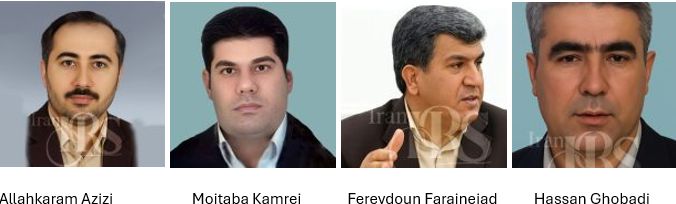
- Allahkaram Azizi, the prison warden, oversees the drug trade with direct involvement.
- Mojtaba Kamrei, head of security, ensures the trade’s secrecy and protection.
- Fereydoun Farajnejad, deputy of health, nicknamed the “Messenger of Death,” ignores overdose deaths while profiting.
These officials actively sustain the drug mafia, prioritizing financial gain over their duty to protect prisoners. Their actions enable a deadly trade that undermines human dignity.
Human Rights Violations and Deadly Outcomes
Structural corruption in Ghezel Hesar Prison fuels a devastating drug crisis. The prison reports 2–4 overdose deaths weekly, driven by widespread addiction. Inadequate medical facilities and deliberate neglect exacerbate the crisis. Violence linked to drug trafficking further endangers prisoners. These conditions violate Article 6 of the International Covenant on Civil and Political Rights, which guarantees the right to life. Additionally, the lack of proper healthcare breaches Article 12 of the International Covenant on Economic, Social and Cultural Rights, denying prisoners the right to health.
- Hunger Strike in Lakan Prison: Political Prisoners Demand Justice
- Execution of 9 Prisoners in Prisons of Arak, Kermanshah, Ahvaz, Mashhad, and Saravan
A Closed System of Silence and Control
The prison’s closed environment prevents exposure. Prisoners and their families face barriers when filing complaints, as authorities dismiss overdose deaths as “natural causes.” This secrecy protects the lucrative drug trade, shielding officials from accountability. Local and national authorities benefit financially, discouraging investigations. The controlled environment ensures information rarely leaks, allowing corruption to persist unchecked. This silence perpetuates the cycle of abuse, leaving prisoners vulnerable to exploitation and harm.
Urgent Call for Exposure and Reform
Freed prisoners and their families must document and share evidence to expose this deadly cycle. Testimonies, photos, or documents can pressure authorities and spark international action. Public exposure is vital to dismantling the drug mafia and saving lives. Advocacy groups must amplify these voices to hold Iran accountable. Breaking this corrupt network requires collective action to ensure prisoners’ rights and end the deadly trade in Ghezel Hesar Prison.
Violations of International Human Rights Standards
The drug trade and corruption in Ghezel Hesar Prison breach multiple international standards:
- Article 6, ICCPR: Overdose deaths violate the right to life.
- Article 10, ICCPR: Drug-ridden halls contradict humane treatment principles.
- Article 12, ICESCR: Inadequate medical care denies prisoners’ health rights.
- UN Mandela Rules: Drug proliferation and lack of care violate global prison standards.
These violations underscore Iran’s failure to uphold its human rights commitments. The international community must address these breaches to protect prisoners’ dignity and safety.
Breaking the Cycle of Corruption
Public awareness and advocacy can drive accountability, forcing authorities to address this deadly trade. Collaborative efforts can restore prisoners’ rights and dismantle the corrupt system.
Follow Iran Human Rights Society on social networks:
Telegram /Twitter /Instagram / YouTube / Facebook
Join Iran Human Rights Society on Twitter



Discussion about this post