
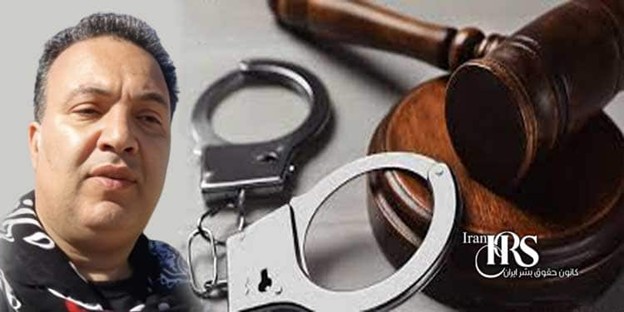
Kianoush Cheraghi faces 13.5 months in prison and 40 lashes for online activism. Learn about his case and Iran’s human rights violations.
Iran Human Rights Society, Monday, August 17, 2025 – Kianoush Cheraghi, a former political prisoner, faces harsh punishment in Iran for his online activism. On August 17, 2025, Branch 101 of Dehloran’s Criminal Court sentenced him to 13 months and 16 days in prison for “spreading falsehoods online” and 40 lashes for “insulting officers.” This ruling highlights Iran’s ongoing suppression of dissent. Cheraghi’s case reveals a troubling pattern of human rights abuses, including violations of free expression and fair trial rights. Below, we explore his story and its broader implications.
Kianoush Cheraghi’s Latest Conviction
Authorities arrested Kianoush Cheraghi on September 27, 2023, after he posted a video on Instagram ahead of the 2022 protest anniversary. The court charged him with spreading falsehoods, a common accusation against activists. Additionally, the 40-lash sentence for insulting officers violates international human rights standards. Human rights groups condemn this as torture, breaching Article 7 of the ICCPR. Cheraghi, a 45-year-old computer engineer, faces relentless harassment for his criticism of corruption and his civil rights advocacy. This ruling shows that Iran’s judicial system targets activists even after their release, creating new charges to silence them.
A History of Persecution
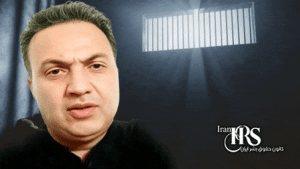
Cheraghi’s troubles began long before this latest sentence. On October 3, 2023, authorities rearrested him shortly after his initial release. Branch 2 of Ilam’s Revolutionary Court, led by Judge Seyed Reza Salahuddini, sentenced him to one year for “propaganda against the system.” Meanwhile, Branch 101 of Dehloran’s Criminal Court, under Judge Hossein Panahi, imposed a two-year sentence and ordered him to write a 200-page research paper on Iran-Iraq War casualties. Legal experts call this humiliating and unlawful. After serving 14 months, Cheraghi left Dargaz prison on May 12, 2025, with a suspended sentence. However, his freedom lasted mere weeks before new arrests and charges.
Ongoing Arrests and Family Impact
On June 23, 2025, intelligence forces arrested Cheraghi and his wife, Akram Sabzi. These repeated arrests harm his physical and mental health and place immense strain on his family. The security apparatus uses such tactics to silence dissent, particularly in marginalized regions like Dehloran. Consequently, activists like Cheraghi face continuous pressure, fostering fear across civil society. Nevertheless, his resilience highlights the strength of Iran’s activists.
Human Rights Violations in Cheraghi’s Case
Kianoush Cheraghi’s case exposes severe human rights violations in Iran, including:
- Freedom of Expression: Article 19 of the ICCPR protects Cheraghi’s right to express critical views online. His prosecution for activism violates this right.
- Prohibition of Torture: The 40-lash sentence defies Article 7 of the ICCPR, which bans inhumane treatment.
- Right to a Fair Trial: Article 14 of the ICCPR guarantees fair trials. Cheraghi’s convictions rely on coerced confessions and lack transparent legal processes.
These abuses reflect Iran’s broader human rights crisis. Arbitrary arrests and denial of legal rights create an atmosphere of intimidation.
The Fight for Freedom Continues
Kianoush Cheraghi’s story mirrors the struggles of countless political prisoners in Iran. Despite the regime’s efforts to silence him, his voice amplifies the demand for freedom and justice. His case underscores the need for global attention to Iran’s human rights violations. Activists like Cheraghi inspire hope, showing that resistance persists even under oppression. Their courage fuels the fight for a freer, more just Iran.
Follow Iran Human Rights Society on social networks:
Telegram /Twitter /Instagram / YouTube / Facebook
Join Iran Human Rights Society on Twitter
See also the below articles:





Discussion about this post