

The snapback mechanism triggers harsh UN sanctions on Iran, crippling its economy and fueling poverty. Leaders cling to nuclear ambitions despite global warnings. This high-stakes clash endangers millions.
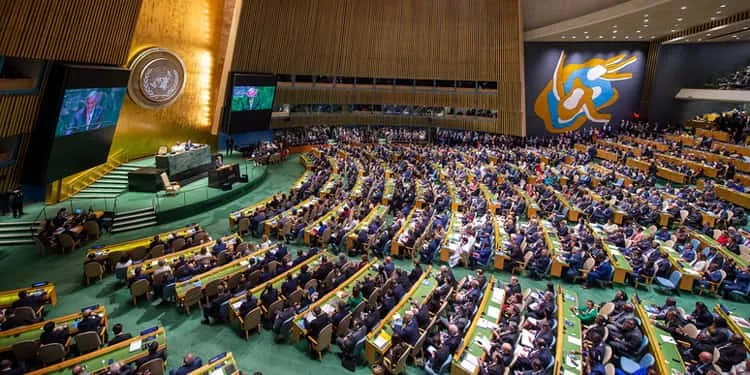
Iran Human Rights Society, September 19, 2025 – On September 19, 2025, the UN Security Council rejected a resolution to halt these penalties. South Korea proposed the measure, but it garnered only four yes votes—Russia, China, Algeria, and Pakistan. Two nations abstained, while nine opposed it. Therefore, pre-2015 sanctions snap back automatically. France, the UK, and Germany now have eight days for diplomacy. However, time runs short before the UN General Assembly. Analysts warn this path impoverishes Iranians further.
UN Security Council Rejects Resolution: Snapback Looms
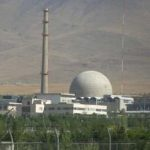
South Korea, as council president, pushed the draft. It aimed to extend sanctions relief under the 2015 nuclear deal. Yet, the vote failed decisively. Russia blasted the process as illegal. China echoed concerns over Western pressure. Still, European diplomats predicted this outcome. They stressed Iran’s uranium stockpile exceeds limits by 40 times. Furthermore, Tehran restricts IAEA inspectors. Without a deal, sanctions hit on September 27 or 28. This includes arms embargoes and asset freezes. Diplomats scramble now. Macron urged quick action. However, Iran’s responses remain conditional.
Khamenei’s Insistence Fuels Nuclear Path Despite Pressures
Ayatollah Khamenei drives Iran’s nuclear push. He rejects US demands outright. On August 24, 2025, he vowed no surrender to “excessive” calls. Tehran enriches uranium to 60% purity—near weapons-grade. This stockpiles over 408 kilograms, IAEA reports. Macron called efforts “not serious” on September 18. He warned of inevitable snapback. Yet, regime officials like Abbas Araghchi dismiss sanctions as “unjustified.” They prepare for all scenarios. Analysts note two pillars sustain Tehran: brutal repression at home and nuclear deterrence abroad. Therefore, leaders ignore economic woes. Inflation soars, protests brew. Still, they showcase nuclear feats to rally hardliners.
Global Powers Voice Alarms Over Iran’s Nuclear Stockpile
European reps dominated the September 19 session. The UK hailed snapback as fully legal. France cited Iran’s non-compliance. Germany demanded IAEA access. All highlighted enriched uranium risks. In contrast, Iran’s Kazem Gharibabadi decried the move. He insisted on Supreme National Security Council oversight for inspections. However, this stalls progress. US officials back the E3 stance. They offer talks but set firm deadlines. Russia and China shield Tehran, calling snapback abusive. Pakistan and Algeria align with them. Tensions rise. The IAEA warns of a “point of no return.” Furthermore, recent Israel-Iran clashes heighten fears. Global economy braces for oil shocks.
What the Snapback Mechanism Means for Iran
The E3—France, UK, Germany—launched this tool last August. It revives all pre-2015 UN penalties without a new vote. Sanctions cover weapons sales, travel bans, and tech curbs. Unlike standard processes, blocking requires council action. The failed resolution clears the path. Therefore, implementation speeds ahead. Tehran faces isolation. Economic activists predict deeper crises. Inflation already ravages households. However, regime doubles down. It suppresses dissent harshly. Nuclear displays boost regime morale. This strategy risks everything. Yet, leaders bet on deterrence. International voices urge restraint. Still, no concessions emerge.
Domestic Fallout: Protests and Poverty Intensify
Iranians suffer most from snapback activation. Financial crisis grips the nation. Rampant inflation erodes savings. Protests erupt over basics like power cuts. Economic observers forecast worse. Sanctions choke trade and jobs. Families scrape by amid shortages. Nevertheless, the dictatorship crushes unrest. Security forces raid homes. Arrests spike. Analysts link this to nuclear fixation. Tehran views bombs as survival shields. However, citizens pay the price. Youth flee abroad. Brain drain accelerates. Furthermore, regional allies waver. The regime’s gamble endangers all. Voices inside call for dialogue. Yet, hardliners prevail.
Diplomatic Efforts Falter Amid Conditions
European mediators pressed hard in recent weeks. They demanded enrichment halts and IAEA cooperation. Tehran offered limited nods but tied them to approvals. Araghchi stressed council veto power. This reveals fears: domestic backlash and weak leverage. A September 9 IAEA deal in Cairo set inspection rules. However, Iran threatens to scrap it. Conditions multiply. Europeans offered six-month delays for compliance. Iran countered with stockpile reports only. Talks in New York loom. Yet, trust erodes. Macron deems proposals insincere. Therefore, bridges burn fast.
Outlook: Escalation or Last-Chance Deal?
Snapback now seems certain. Sanctions return swiftly, tightening the noose. Tehran commits to repression and nukes. These pillars prop up power. Observers see a long-term ploy for leverage. Diplomacy fights on. The UN Assembly offers a final window. However, delays spell regional chaos. Oil prices could spike. Conflicts brew. Global leaders push de-escalation. Iran hints at NPT exit threats. Still, Pezeshkian eyes talks. Time slips away. The world watches. Will Tehran bend? Or does impoverishment deepen? Consequences ripple far.
See also the below articles:
- Ayoub Parkar: 70-Year-Old Political Prisoner, 17 Years in Prison Without Furlough and Deprived of Medical Care in Sheiban Ahvaz Prison
- Support for Lawyers at Risk in Iran – 11: Tahir Naqavi in Prison
Follow Iran Human Rights Society on social networks:
Telegram /Twitter /Instagram / YouTube / Facebook
Join Iran Human Rights Society on Twitter


Discussion about this post