

Mehran Bahramian, executed on September 6, 2025, in Isfahan’s Dastgerd Prison, highlights Iran’s human rights abuses amid 2022 protests
The execution of Mehran Bahramian shocks the world. On Saturday morning, September 6, 2025, Iranian authorities hanged this political prisoner in Dastgerd Prison, Isfahan. The Iran Human Rights Organization confirmed the grim event. Born in 1993, Mehran joined the 2022 nationwide protests. Security forces arrested him alongside his brother Fazel Bahramian and other young protesters from Semirom. The Revolutionary Court sentenced him to death. They charged him with killing a security officer. This case exposes Iran’s brutal repression. Furthermore, it underscores ongoing human rights violations.
Arrest and Torture: Roots of Repression in the Execution of Mehran Bahramian
Security forces detained Mehran and Fazel Bahramian in January 2023. Both young protesters hailed from Semirom. Authorities grabbed them during a crackdown. Close sources reveal the brothers first entered solitary confinement at the Isfahan Intelligence Agency’s Dolatabad center. Interrogators bombarded them with intense questioning. Later, officials moved them to Dastgerd Prison’s infamous “Aleph Ta” section. Mehran suffered broken ribs and a ruptured eardrum from severe beatings. Fazel endured head and face injuries. Families begged for medical help and an end to the abuse. However, authorities dismissed these pleas. Instead, they threatened and interrogated the relatives. Therefore, this torture fueled the path to the execution of Mehran Bahramian.
Death Sentences and Looming Family Despair
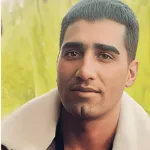
The Semirom Appeals Court acted on January 25, 2023. Judges upheld death sentences for Mehran and Fazel. Charges included “moharebeh” (enmity against God) and actions against national security. The case reached Iran’s Supreme Court. Recently, it confirmed the verdicts. In the days before, families received visitation rights. In Iran, this often signals a final goodbye before hanging. The execution of Mehran Bahramian now leaves Fazel in peril. Uncertainty grips the family. Moreover, it amplifies their grief.
Fazel Bahramian: A Brother’s Plight After the Execution
Fazel Bahramian, born in 1989, shares Mehran’s fate so far. He is married with a young child. Before arrest, he toiled at a mechanic shop. Tragically, he also lost another brother, Morad Bahramian. Security forces shot Morad dead on November 16, 2022, during protests. Now, the family dreads losing Fazel too. The execution of Mehran Bahramian deepens this nightmare. Threats hang over them. Yet, they persist in their fight for justice.
Semirom’s Bloody Legacy in the 2022 Uprising

Semirom ignited as a protest hotspot in 2022. On November 16, security forces fired directly. They killed Ali Abbasi, Morad Bahramian, Moslem Hoshangi, and Milad Asefi. Weeks followed with mass arrests. Dozens of youths fell into custody, including Mehran, Fazel, Dariush Saeedi, and Younes Bahramian. Torturers targeted the detainees harshly. Many earned long prison terms. For example, the Semirom Revolutionary Court gave Dariush Saeedi and Younes Bahramian 16 years each. This pattern shows the regime’s iron-fisted suppression. Therefore, it ties directly to the execution of Mehran Bahramian.
Pre-Planned Crackdown Ahead of the Execution
Authorities showed clear preparation. They evacuated Semirom’s “Adab” boarding school. Special forces deployed there swiftly. These moves hinted at quelling outrage. Iran often uses such tactics before executions. Furthermore, they aimed to stifle public reaction to the execution of Mehran Bahramian. The strategy worked to contain unrest. However, it reveals deeper state control.
Human Rights Abuses in the Bahramian Case
The Bahramian brothers’ ordeal screams human rights failures. First, it breaches the Right to Life under Article 3 of the Universal Declaration of Human Rights. Unfair trials led to death sentences. The execution of Mehran Bahramian violates this outright. Second, torture to force confessions defies Article 5’s ban on cruel treatment. Iran ignores its global duties here. Third, rushed proceedings without proper lawyers crush the Right to a Fair Trial in Article 10. Judges skipped fair process basics. Finally, arresting youths for peaceful protests stomps on Articles 19 and 20. These cover freedom of expression and assembly. Therefore, the case demands international scrutiny. Families suffer endlessly. Yet, global voices must rise against such injustice.
See also the below articles:
Follow Iran Human Rights Society on social networks:
Telegram /Twitter /Instagram / YouTube / Facebook
Join Iran Human Rights Society on Twitter







Discussion about this post