
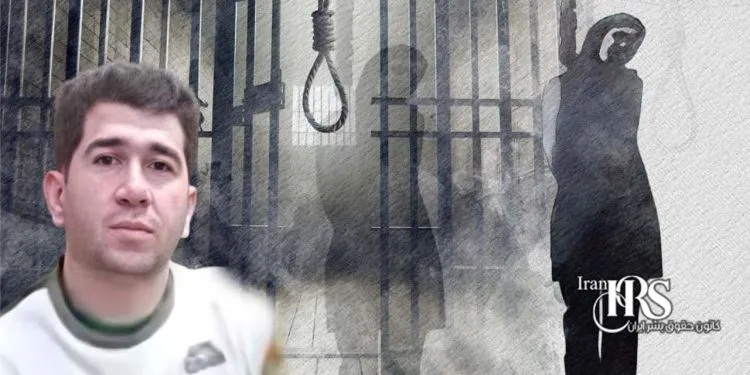
Iran executes 119 prisoners in August 2025, including a woman, in Shiraz, Isfahan, and Zanjan, raising concerns about human rights violations and the death penalty.
Iran Human Rights Society, Tuesday, August 12, 2025 – The death penalty in Iran continues to spark global concern. In Mordad Persian calendar month 2025 alone, authorities executed at least 119 prisoners, averaging five executions daily or one every five hours. This alarming rate highlights serious issues with Iran’s judicial system and its disregard for international human rights standards.
Executions in Shiraz, Isfahan, and Zanjan Prisons
On August 12, 2025, Iran executed three prisoners, including a woman, in Adelabad Prison (Shiraz), Isfahan Central Prison, and Zanjan Prison. These cases reflect a troubling trend of capital punishment for charges like drug offenses and murder, often with questionable judicial processes.

Afshin Dehghan’s Execution in Shiraz
At dawn on August 12, 2025, authorities executed Afshin Dehghan, 36, in Adelabad Prison, Shiraz. A native of Jovaliqan village in Kazerun, Dehghan faced death for drug-related charges. His case underscores the frequent use of the death penalty in Iran for non-violent crimes, raising ethical questions.
Soudabeh Ghasemzadeh’s Execution in Isfahan
On August 11, 2025, Soudabeh Ghasemzadeh, a 45-year-old mother of three, faced execution in Isfahan Central Prison. Arrested six years earlier for murder, her case highlights the lack of transparency in Iran’s legal system. Many argue such executions violate fair trial standards.
- Hunger Strike in Lakan Prison: Political Prisoners Demand Justice
- Execution of 9 Prisoners in Prisons of Arak, Kermanshah, Ahvaz, Mashhad, and Saravan
Kiomars Fatehi’s Execution in Zanjan
On August 10, 2025, Kiomars Fatehi, a 33-year-old father of three, was executed in Zanjan Prison. A laborer arrested four years prior for drug charges, Fatehi’s death further illustrates Iran’s reliance on capital punishment, often for non-serious offenses.
The Death Penalty and Human Rights Violations
The death penalty in Iran conflicts with Article 3 of the Universal Declaration of Human Rights, which guarantees the right to life. Executions, particularly for drug-related charges, often lack fair trials, violate due process, and risk irreversible judicial errors. Moreover, certain execution methods may constitute torture, breaching international standards against cruel treatment.
Iran’s Failure to Uphold International Commitments
Iran, a signatory to the International Covenant on Civil and Political Rights, must ensure fair trials and reserve the death penalty for the most serious crimes. However, the country’s judicial system frequently lacks independence, restricts defendants’ rights, and operates without transparency. These practices violate global human rights principles, drawing widespread criticism.
Follow Iran Human Rights Society on social networks:
Telegram /Twitter /Instagram / YouTube / Facebook
Join Iran Human Rights Society on Twitter





Discussion about this post