
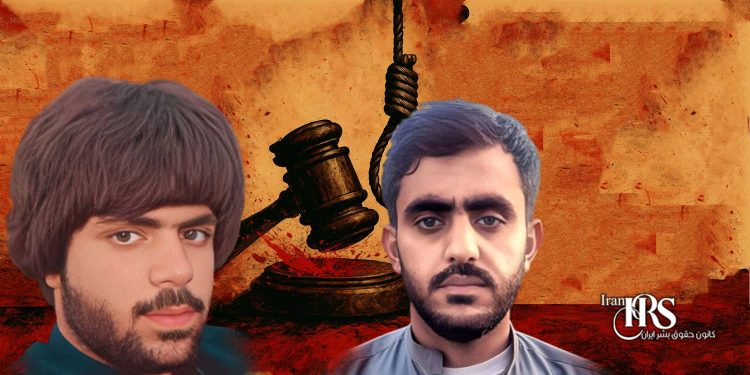
Farhad Baranzehi and Omran Aghal face execution in Sistan and Baluchistan for alleged rebellion. Torture and unfair trials highlight Iran’s human rights abuses.
Iran Human Rights Society, Wednesday, July 30, 2025 – In Sistan and Baluchistan, Farhad Baranzehi and Omran Aghal face imminent execution amid a wave of repression. Arrested in March 2025, these young Baluch men deny charges of armed rebellion. Their trials lacked fairness, relying on confessions extracted through torture. The regime’s use of the death penalty aims to crush dissent in this deprived region. This article examines their case, the systemic violations in Sistan and Baluchistan, and the urgent need for global action to stop these injustices.
Unjust Trials Fuel Injustice
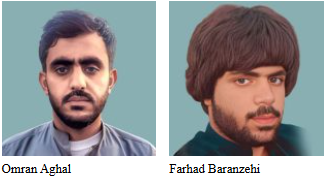
Farhad Baranzehi, 24, and Omran Aghal, 22, faced trials at Zahedan Revolutionary Court without proper legal representation. Authorities failed to inform their families, violating basic fair trial principles. The men deny accusations of joining armed groups or engaging in armed actions. Sources close to their families report severe torture during interrogations, with confessions coerced under duress. Such practices undermine justice and expose systemic flaws in Iran’s judicial process.
Imminent Risk of Secret Executions
Detained in Ward 2 of Zahedan Central Prison, Baranzehi and Aghal face the threat of secret executions. Iran’s history of unannounced executions raises grave concerns. Families often learn of loved ones’ fates after the fact, sometimes never discovering burial sites. This cruel practice inflicts psychological torment on families, compounding the regime’s human rights violations. The lack of transparency in these cases
demands immediate attention to prevent further tragedies.
Sistan and Baluchistan: A History of Oppression
Sistan and Baluchistan suffers intense repression and deprivation. In June and July 2025, security forces detained dozens of Baluch citizens for political reasons, issuing harsh sentences. Cities like Zahedan, Khash, Saravan, and Rask face militarized control, with checkpoints restricting movement. Reports detail shootings at civilian vehicles, property confiscation, and torture of teenagers. These actions stifle basic rights, targeting a region already plagued by poverty and discrimination.
Death Penalty as a Tool of Fear
The regime wields the death penalty to suppress protests in Sistan and Baluchistan. Experts view executions as performative punishments to silence demands for justice. Even calls for education or healthcare trigger accusations of disrupting security. This strategy aims to instill fear, particularly among the Baluch minority, who face ethnic and religious discrimination. Baranzehi and Aghal’s death sentences reflect this broader campaign to control dissent through terror.
Human Rights Violations in Focus
The case of Baranzehi and Aghal violates key international standards. They faced trials without public hearings or legal representation, breaching Article 10 of the Universal Declaration of Human Rights. Severe torture during interrogations violates Article 5, which prohibits inhumane treatment. The death sentences ignore Article 6 of the International Covenant on Civil and Political Rights, which limits capital punishment to the most serious crimes. Relying on coerced confessions further erodes the presumption of innocence.
Global Silence Amid Rising Atrocities
International organizations have condemned Iran’s politically motivated executions, yet the regime intensifies its crackdown. Domestic institutions, including the judiciary, either support or ignore these abuses. Trials occur in secretive settings, leaving families uninformed. This lack of accountability fuels a cycle of repression, with Sistan and Baluchistan bearing the brunt. The international community must act to hold Iran accountable for these violations.
A Call to Amplify Voices
The death sentences for Farhad Baranzehi and Omran Aghal highlight Iran’s strategy to suppress the Baluch community. Both men, from Kupiza village in Rask, face execution on vague rebellion charges. Their lawyer has appealed to the Supreme Court, but time is critical. Global media, activists, and human rights groups must raise awareness to pressure Iran to halt these executions. Solidarity can challenge the regime’s tactics and protect vulnerable lives.
A Plea for Urgent Action
The plight of Farhad Baranzehi and Omran Aghal underscores the crisis in Sistan and Baluchistan. Their unfair trials, torture, and looming executions demand a response. The regime’s use of the death penalty to silence dissent cannot go unchallenged. The world must amplify these prisoners’ voices, urging an end to political executions. Their fight for justice is a beacon of resistance against oppression, calling for immediate action to save lives.
Follow Iran Human Rights Society on social networks:
Telegram /Twitter /Instagram / YouTube / Facebook
Join Iran Human Rights Society on Twitter



Discussion about this post