
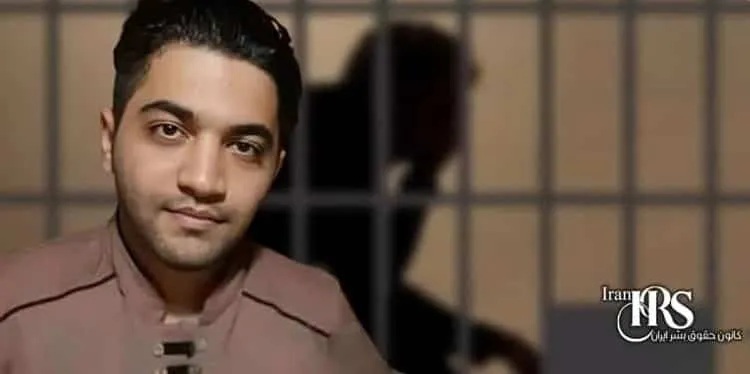
Hamzeh Darvish, a Sunni prisoner, continues his hunger strike in Lakan Prison, Rasht, protesting religious discrimination and demanding transfer to Evin or Ghezel Hesar.
Iran Human Rights Society, Saturday, August 15, 2025– Hamzeh Darvish’s hunger strike enters its fifteenth day in Lakan Prison, Rasht. This Sunni political prisoner demands justice, protesting systematic oppression due to his religious beliefs. He seeks a transfer to Evin or Ghezel Hesar Prison in Tehran for safety. His strike highlights ongoing human rights abuses in Iran’s prison system.
Why Is Hamzeh Darvish on Hunger Strike?
Hamzeh Darvish, a Sunni prisoner of conscience, began his hunger strike on August 2, 2025, to protest religious discrimination and harsh prison conditions. He faces relentless pressure from Rasht’s Intelligence Department and Lakan Prison officials. He endured over 20 months in solitary confinement and repeated beatings during his five years at Lakan Prison. Darvish believes his Sunni faith is the primary reason for his detention and mistreatment. His hunger strike aims to draw attention to these injustices and demand a transfer to a safer facility.
Torture and Solitary Confinement: A Pattern of Abuse

Darvish’s ordeal includes physical and psychological torture. He suffered multiple beatings and direct death threats from prison authorities. For instance, he spent over 20 months in solitary confinement, enduring inhumane treatment. Despite his complaints, no judicial body has investigated these abuses. His family’s efforts to seek justice have met with silence, signaling official indifference. This pattern of neglect fuels Darvish’s hunger strike, as he fights for accountability and fair treatment.
Demanding Transfer to Evin or Ghezel Hesar
Darvish demands a transfer from Lakan Prison to Evin or Ghezel Hesar Prison to join other political prisoners and escape life-threatening dangers. He views the hunger strike as his only way to amplify his voice and alert human rights organizations. As of August 15, 2025, Iranian authorities have not responded to his demands, raising concerns about his health. His prolonged strike underscores the urgency of addressing his situation and the broader issue of prisoner mistreatment.
Background of Hamzeh Darvish’s Imprisonment
Hamzeh Darvish, born in 1994 in Talesh, worked in quail farming before his arrest. In 2014, a friend misled him into traveling to Turkey and Syria, where he faced pressure to join ISIS. After refusing, he endured torture and imprisonment by the group. Darvish escaped, surrendered to the Iranian embassy in Turkey, and returned to Iran. However, authorities detained him in Evin Prison and pressured him to join proxy wars, which he refused. Released on bail, he faced rearrest in July 2016 and endured 100 days of detention across multiple facilities before landing in Evin’s Ward 4.
Unjust Trial and Harsh Sentencing
In 2016, Branch 28 of Tehran’s Revolutionary Court charged Darvish with “enmity against God through ISIS membership” and “illegal exit from the country.” The court sentenced him to 18 years in prison in 2017. After an appeal, the Supreme Court upheld a 15-year enforceable sentence. Authorities then transferred him to Gohardasht Prison and later exiled him to Lakan Prison on May 11, 2020. There, he faced ongoing threats, solitary confinement, and beatings, intensifying his resolve to protest through a hunger strike.
Fabricated Charges and Continued Persecution
In August 2023, Darvish attempted suicide due to relentless pressures and a fabricated case resulting in a 14-year sentence. Branch 1 of Rasht’s Revolutionary Court convicted him of “assembly and collusion against national security,” “intentional destruction to oppose the regime,” “insulting the Leader,” and “arson of prison facilities.” These charges stemmed from a 2022 prison riot, despite Darvish being in solitary confinement at the time. This additional sentence and exile to Ramhormoz highlight the systematic targeting of Darvish for his beliefs.
Human Rights Violations in Darvish’s Case
Darvish’s treatment violates several human rights principles. Torture and inhumane treatment breach the prohibition against cruel punishment. Targeting him for his Sunni faith infringes on his right to religious freedom. Prolonged solitary confinement constitutes arbitrary detention, further compounding these abuses. Activists warn that ignoring Darvish’s complaints signals systemic discrimination against Sunni prisoners in Iran. They urge international intervention to address these violations and protect Darvish’s life.
Hamzeh Darvish’s hunger strike is a desperate plea for justice. His health deteriorates as authorities ignore his demands for a transfer and fair treatment. Human rights advocates call for urgent action to address his case and the broader issue of religious discrimination in Iran’s prisons. Continued inaction risks Darvish’s life, with responsibility falling on Iran’s judiciary and security institutions. His fight underscores the need for global attention to protect vulnerable prisoners and uphold human rights standards.
- Babak Shahbazi Execution: A Mother’s Desperate Plea
- Urgent Crisis: Political Prisoners in Iran Face Grave Danger
Follow Iran Human Rights Society on social networks:
Telegram /Twitter /Instagram / YouTube / Facebook
Join Iran Human Rights Society on Twitter




Discussion about this post