
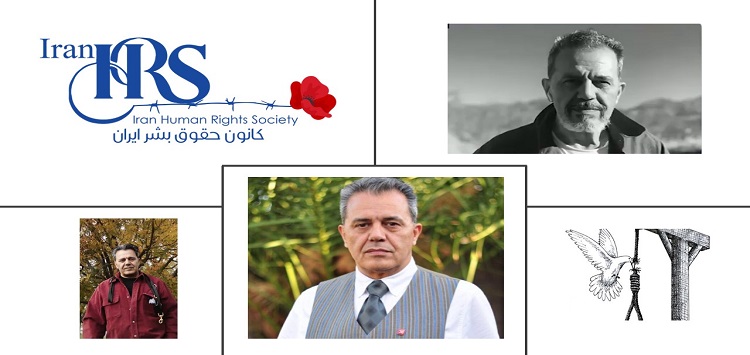
On Monday, October28, 2024, Mizan News Agency reported that dual-national prisoner Jamshid Sharmahd executed in Iran.
Sharmahd, an Iranian-German citizen, sentenced to death by Tehran’s Revolutionary Court in March 2023 for “corruption on earth through planning and directing terrorist activities.” Arrested in Dubai and transferred to Iran by Iranian intelligence, Sharmahd was held without access to a chosen lawyer, family visits, or regular phone contact. His family stated that he was tortured and kept in conditions so harsh that he couldn’t distinguish day from night.
Sharmahd’s court-appointed lawyer reportedly demanded $250,000 to review his case. And when the family refused, the lawyer indicated he would only appear in court without offering an active defense. Furthermore, the judiciary barred Sharmahd’s family-appointed lawyer from participating in the trial.
The place of execution of Jamshid Sharmahd not determined
Mizan did not specify the location of his execution. But noted the decision amidst rising diplomatic tensions between Iran and Germany. This execution has drawn criticism for violating international human rights, particularly the right to life, as outlined in Article 3 of the Universal Declaration of Human Rights.
Reports indicate that a prisoner recently executed in Sheiban Prison in Ahvaz. And further accounts highlight various methods of torture allegedly occurring in Evin Prison. Human rights organizations are actively seeking information to amplify the voices of those affected.
Execution of 6 people in Karaj and Gorgan prisons. – Iran HRS
Hunger Strike of 7 Political Prisoners in Sheiban Prison, Ahvaz – Iran HRS
According to the Universal Declaration of Human Rights (UDHR), every individual is guaranteed fundamental rights without discrimination. Article 3 of the UDHR explicitly states, “Everyone has the right to life,” underscoring that deprivation of life should only occur under lawful judgment by a competent court.
The death penalty contradicts this right as it permanently revokes the right to life and is irreversible, preventing any remedy for judicial errors. Additionally, the methods of execution can be deemed inhumane, which conflicts with UDHR provisions prohibiting torture or cruel treatment.
Follow Iran Human Rights society on social networks:
Telegram / Twitter / Instagram / YouTube / Facebook
Follow the Iranian Human Rights Society on social networks:
Join Iran Human Rights Society on Twitter







Discussion about this post