
This arrest is just one of many instances of Baha’i suppression in Iran in recent months. The Baha’i community in Iran has consistently faced discriminatory policies, educational deprivations, property confiscations, and widespread psychological and judicial pressures.
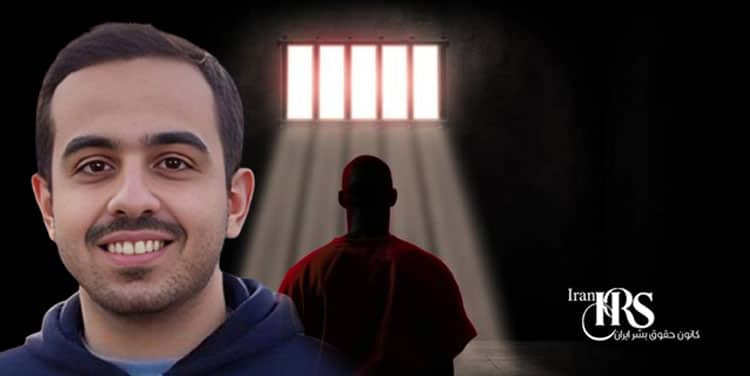
Iran Human Rights Society, June 5, 2025 – As part of the systematic suppression of the Baha’i community in Iran, Elham Siyadat and her son, Arman Bahrami, two Baha’i citizens residing in Isfahan, were arrested and interrogated by Ministry of

Intelligence forces. This action is part of a long-standing policy by security apparatuses to pressure followers of the Baha’i faith in Iran, consistently accompanied by widespread violations of civil and religious freedoms.
Sudden Raid on Home and Arrest Without Judicial Warrant
On Tuesday, security agents abruptly entered Elham Siyadat’s home without presenting any judicial warrant, searched the premises, and confiscated personal belongings. Mobile phones, laptops, and some personal documents and items were among the items seized during the raid. Sources close to the family emphasized that the agents acted violently and used psychological threats.
Elham Siyadat and her son Arman Bahrami were taken to a Ministry of Intelligence facility in Isfahan and subjected to intense interrogation for several hours. According to available information, the interrogations centered on baseless and clichéd security accusations frequently leveled against Baha’is in Iran, such as “propagating a subversive religion” and “connections with Baha’i organizations abroad.”
Temporary Release Amid Ongoing Threats and Concerns

Although the two citizens were temporarily released after hours of interrogation, either on a commitment or bail, concerns about their legal future and continued security pressures remain strong. Past experiences of similar arrests show that such releases are often temporary, followed by case fabrication, repeated summons, and even heavy judicial sentences.
This arrest is just one of many instances of Baha’i suppression in Iran in recent months. The Baha’i community in Iran has consistently faced discriminatory policies, educational deprivations, property confiscations, and widespread psychological and judicial pressures.
Structural Suppression of the Baha’i Community: A Deliberate Policy
Since its establishment, Iran’s religious dictatorship has refused to recognize followers of the Baha’i faith, depriving them of the most basic civil rights. Since the 1980s, thousands of Baha’is have been arrested, imprisoned, and tortured for their beliefs. Numerous reports document mass arrests, destruction of Baha’i holy sites, expulsions from universities, business closures, prohibitions on burying deceased Baha’is in public cemeteries, and constant surveillance of Baha’i families.
Over the past year, there has been an unprecedented increase in prison sentences, home raids, and closures of Baha’i businesses in cities such as Shiraz, Karaj, Tehran, Sari, Yazd, and Mashhad. This trend has intensified, particularly following the 2022 popular uprising, and appears to be part of the regime’s broader strategy to exert greater control over civil society and religious minorities.

Response from Human Rights Organizations and the International Community
The arrest of Elham Siyadat and Arman Bahrami has drawn reactions from human rights organizations and Baha’i activists. Amnesty International has previously issued statements warning about the “institutionalized and ongoing” suppression of Baha’is and called for an immediate halt to these actions and the unconditional release of prisoners of conscience.
In another statement, the Baha’i International Community in Geneva highlighted the recurring pattern of suppression, noting that Iran’s government not only fails to honor its international commitments but also pursues religious suppression policies systematically and with increasing audacity.
Suppression of Baha’is: A Gross Violation of Human Rights and Religious Freedom
The suppression of Baha’is in Iran blatantly violates several provisions of the International Covenant on Civil and Political Rights, particularly:
Article 18 – Freedom of Thought, Conscience, and Religion: Clearly stating that every individual has the right to freedom of religion and to practice it, individually or collectively, privately or publicly.
Article 19 – Freedom of Expression: Affirming that all individuals have the right to freely express their opinions and share information and ideas.
Article 26 – Equality Before the Law: Condemning any discrimination based on religion, race, or belief.
Furthermore, these arrests directly contradict Article 23 of Iran’s Constitution, which prohibits the investigation of beliefs and persecution of citizens for their religious convictions. In practice, however, the regime not only disregards the law but actively implements a policy of “targeted discrimination” against Baha’i followers through its security and judicial institutions.
The arrest of Elham Siyadat and Arman Bahrami is yet another example of the systematic violation of the basic rights of Baha’i citizens in Iran. Given the history of structural and deliberate suppression of this community, concerns about the physical, psychological, and legal safety of Baha’is have become increasingly serious. The continuation of these policies is not only a clear violation of human rights but also a reflection of the regime’s deep distrust of any form of religious or intellectual diversity in the country.
Follow Iran Human Rights Society on social networks:
Telegram /Twitter /Instagram / YouTube / Facebook
Join Iran Human Rights Society on Twitter







Discussion about this post