
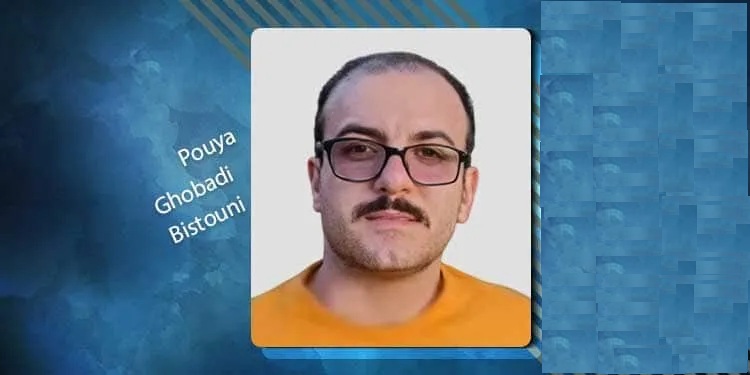
Pouya Ghobadi Bistouni, a 32-year-old Iranian political prisoner, faces execution for alleged MEK ties. Learn about his arrests, torture, and unfair trial.
Who Is Pouya Ghobadi Bistouni?
Pouya Ghobadi Bistouni, a political prisoner born in 1992 in Sanqar, Kermanshah, Iran, stands as a symbol of resistance against oppression. This 32-year-old electrical engineering graduate from the University of Kurdistan has endured multiple arrests, torture, and a death sentence due to his alleged affiliation with the Mujahedin-e-Khalq (MEK). His case highlights Iran’s ongoing crackdown on dissent. Despite severe persecution, Ghobadi’s resilience shines through, as seen in his music and spirit, even under the shadow of execution. This article explores his background, arrests, trial, and the urgent human rights concerns surrounding his case.
Background of a Resilient Activist
Pouya Ghobadi Bistouni hails from Sanqar, Kermanshah, where he pursued and earned a bachelor’s degree in electrical engineering. His passion for music, particularly playing the santur, and his courage have been highlighted by supporters, including a heartfelt video shared by his mother on his 32nd birthday in July 2025. However, his life took a drastic turn due to his alleged political activities. Since 2018, Ghobadi has faced relentless persecution, including repeated arrests and severe torture, reflecting Iran’s harsh treatment of dissidents.
History of Arrests and Torture

Ghobadi’s first major arrest occurred in May 2018 in Tehran. Security forces detained him, and he endured four months of solitary confinement in Ward 209 of Evin Prison. During this time, he faced brutal interrogation and torture, including beatings that caused internal bleeding. In November 2019, authorities transferred him to Tehran Great Prison (Fashafouyeh). By December 2021, a court sentenced him to 10 years in prison on charges like “moharabeh” (waging war against God). Released in February 2023 under a general amnesty, he was forced into two years of exile in Nikshahr. However, his freedom was short-lived. On December 22, 2023, authorities rearrested him in Chaldaran near the border, initially holding him in Maku Prison before transferring him back to Evin Prison’s notorious Ward 209.
In 2022, while in Tehran Great Prison, Ghobadi suffered a violent assault by hired inmates using knives and a flask, underscoring the ongoing danger he faced. His family has also endured threats, limiting their ability to access information about his condition. These repeated detentions and abuses reveal a pattern of targeting political activists with extreme measures.
Unfair Trial and Death Sentence
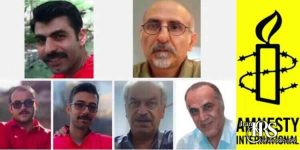
On October 6, 2024, Ghobadi faced trial alongside seven other political prisoners at Branch 26 of the Tehran Revolutionary Court, led by Judge Iman Afshari. The court convicted Ghobadi and five others—Vahid Bani-Amerian, Babak Alipour, Seyed Abolhassan Montazer, Seyed Mohammad Taghavi, and Ali Akbar Daneshvarkar—of “baghi” (rebellion) due to alleged MEK membership. Additional charges included “propaganda against the regime,” “destruction of public property,” and “collusion against national security.” On December 1, 2024, the court handed down death sentences to the six men, with Ghobadi also receiving a one-year sentence for illegal border crossing.
Amnesty International condemned the trial as “grossly unfair,” citing torture, coerced confessions, and lack of independent legal representation. The organization emphasized that these violations breach international human rights standards. Ghobadi and his co-defendants issued a statement denouncing their arbitrary detention and baseless charges, proudly affirming their support for the MEK, an opposition group Iran labels as a terrorist organization.
Human Rights Violations and International Outcry
Ghobadi’s case exemplifies Iran’s systemic use of the death penalty to suppress dissent. Amnesty International has urgently called for halting the executions, canceling the sentences, and releasing the prisoners, arguing that their detention is arbitrary. Reports confirm Ghobadi endured severe torture, including three months in solitary confinement during his 2023–2024 detention and denial of medical care. Such treatment aligns with broader patterns of human rights abuses in Iran, particularly in Evin Prison, notorious for torturing political detainees.
Follow Iran Human Rights Society on social networks:
Telegram /Twitter /Instagram / YouTube / Facebook
Join Iran Human Rights Society on Twitter







Discussion about this post