
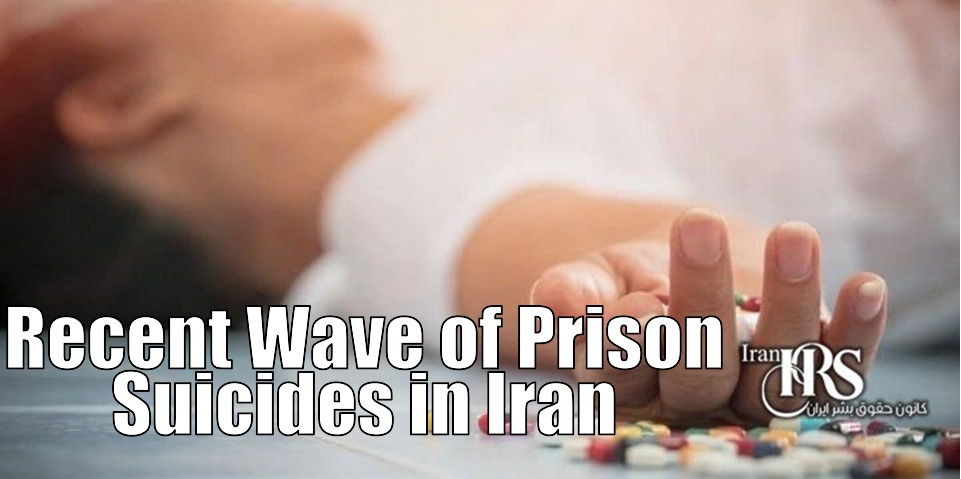
Prison suicides Iran surge due to psychological pressure and neglect in facilities like Vakilabad and Qezelhassar. Inhumane conditions violate human rights.
Iran Human Rights Society Saturday, November 8, 2025- Two prisoners sentenced to execution died by suicide. One incident occurred in Vakilabad Prison in Mashhad. The other happened in Qezelhassar in Karaj. These events alarm everyone about prisoners’ mental health. Furthermore, they reveal a lack of humane oversight. Prison suicides Iran highlight a crisis of despair. Inhumane policies and unbearable conditions push inmates to end their lives. Recent cases expose systemic failures in Iran’s prisons.
Suicide in Vakilabad Prison Mashhad
Ali Mirza Niazi acted on Thursday, November 6, 2025. This 39-year-old prisoner faced execution. He swallowed pills and methadone in Vakilabad Prison. Officials transferred him to the hospital hours later. However, he died that evening.
Authorities arrested Niazi for drug crimes. The Revolutionary Court of Mashhad sentenced him to death. Informed sources describe his severe mental state. He complained often about pressures. Threats came from officials. Humiliating behavior added to his pain. In recent months, he requested family meetings. He also sought lawyer access. Prison staff ignored these pleas.

Suicide in Qezelhassar Prison Karaj
Hadi Rezaei attempted suicide one day earlier. This happened on Wednesday evening, November 5, 2025. He swallowed “glass” narcotic drugs in Qezelhassar Prison. Doctors transferred him to the hospital. Therefore, he passed away Thursday morning.
Rezaei came from Kuhdasht. Officials arrested him three years ago for theft. The judicial system sentenced him to execution. He stayed in unit three of the prison. Local sources note his poor mental condition. Officials threatened him repeatedly. Long-term uncertainty about his sentence worsened everything.
Systematic Pressure Fuels Prison Suicides Iran
Human rights activists speak out. Judicial observers agree. Recent prison suicides Iran stem from inhumane policies. Unbearable conditions dominate facilities. Humiliating behavior breaks spirits. Long-term solitary confinement isolates inmates. Judicial uncertainty creates endless fear. Threats build constant stress. Psychological pressures lead to desperation. Prisoners view death as escape.
One informed source told a human rights group: “Officials instill fear in prisons. They insult inmates. They even beat them. Such actions push prisoners toward suicide. Authorities drive them to death.”
Human Rights Violations in Prison Suicides Iran
These suicides show gross violations. The dictatorial system rules Iran’s prisons. Psychological pressure plays a key role. However, neglect drives the outcome. Inhumane behavior from officials seals fates.
- Article 6 of the International Covenant on Civil and Political Rights protects life. Every person holds this inherent right. Governments must safeguard detainees. Suicides from pressure violate this directly.
- Article 7 bans torture. It prohibits inhumane treatment. Threats qualify as psychological torture. Humiliating actions do too. Prison authorities bear responsibility.
- Nelson Mandela Rules demand care. Nations must provide medical services. They preserve mental health. Prisons fail to offer therapy. This breaches international standards.
See also the below articles:
- Continued Detention of Three Yasuj Citizens: Vague Charges Fuel Prolonged Uncertainty
- Mai Sato’s UN Report: Executions and Repression Intensify Pressure on Iranian Society
Follow Iran Human Rights Society on social networks:
Telegram /Twitter /Instagram / YouTube / Facebook
Join Iran Human Rights Society on Twitter






Discussion about this post