
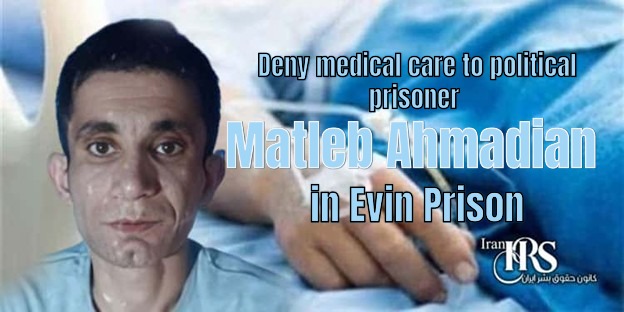
Iranian authorities deny medical care to political prisoner Matleb Ahmadian in Evin Prison, worsening his MS suspicions and ulcers.
Iran Human Rights Society, Monday, September 8, 2025 – Prison authorities deny medical care to political prisoner Matleb Ahmadian. They rush him back to Evin Prison before finishing hospital tests. This denial of medical care leaves him in critical health. Doctors suspect multiple sclerosis (MS). Yet, officials block urgent scans. Ahmadian faces duodenal ulcers, hernias, and swelling. His return on Sunday, September 7, 2025, ignores pleas for surgery. This pattern highlights the regime’s use of health denial as white torture. It pressures dissidents without visible violence. Furthermore, it violates global rights standards. Ahmadian’s story demands international focus.
Incomplete Treatment Pushes Ahmadian to Crisis
Informed sources report that Matleb Ahmadian transferred to Tehranpars Hospital last week. His health declined sharply. Doctors diagnosed a duodenal ulcer. They performed a stomach biopsy. However, he also battles a diaphragmatic hernia. Severe abdominal swelling demands urgent surgery. Prison authorities intervene. They halt the process. Officials from the deputy security unit order his return. Ahmadian arrives back at Evin on September 7, 2025. Doctors stress the need for ongoing care. Yet, authorities disregard this. Therefore, his conditions worsen daily.
Suspected Multiple Sclerosis Adds Urgency
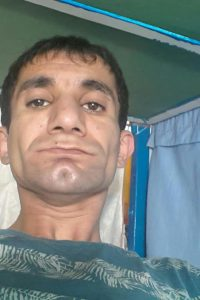
Ahmadian faces suspicions of multiple sclerosis. He requires specialized tests immediately. However, his abrupt prison return cuts these short. His physical state now hits a critical point. This deprivation risks irreversible harm. Experts warn it threatens his life directly. Cellmates note his severe abdominal pain. They also report limb numbness. Despite these symptoms, officials take no action. This neglect follows Iran’s laws. It also breaches international agreements on prisoner health.
Conditions Afflicting Ahmadian Multiply
Ahmadian endures multiple health issues. Duodenal cancer plagues him. Diaphragmatic hernia causes constant discomfort. Spinal canal stenosis limits mobility. Urinary tract infections recur often. Specialists confirm these diagnoses. The prison infirmary agrees. Yet, authorities withhold essential drugs. His family pushes for care. However, prison rules block access. This systematic denial accelerates his decline.
White Torture: A Silent Regime Weapon
Human rights experts label this denial of medical care as white torture. Authorities avoid physical beatings. Instead, they impose constant suffering. Prisoners lose access to drugs and services. This breaks their resistance over time. In Ahmadian’s case, officials deliberately obstruct treatment. Therefore, it endangers not just health but lives. The policy aims to crush spirits. It operates without overt violence. Furthermore, it ignores domestic and global standards.
Obstruction of Medication Delivery Repeats
Ahmadian’s family prepares prescriptions outside prison. They attempt delivery four times. However, authorities refuse each time. The Fashafouyeh Prison doctor calls his state critical. Yet, the physician claims ignorance of the blocks. This denial revives gastric reflux. Intestinal inflammation returns. Ahmadian struggles to eat now. In May 2025, he launches a hunger strike. He protests these harsh conditions. The strike highlights the ongoing crisis.
Ahmadian’s Warnings from Prison Echo
In January 2020, Ahmadian pens a letter. He details medical neglect’s toll. Physical torture during arrest fractures his spine. Judicial indifference follows. He faces financial barriers to care. However, prison rules mandate government coverage. Authorities ignore this. His message exposes the system’s flaws. It calls for accountability.
- Erfan Karki protests: “We reject fabricated charges” + video
- Sabzevar Prison supports “No to Execution Tuesdays”; 52 prisons join the effort
Ahmadian’s Arrest and Harsh Sentencing
Born in 1983 in Baneh, Ahmadian faces arrest on October 5, 2010. He endures eight months of solitary confinement. Torture marks his time in Saqqez, Sanandaj, and Sardasht prisons. Courts sentence him to 30 years. Exile to Minab Prison follows. Charges cite “moharebeh” via Komala Party ties. Two more cases add nine years. He pays blood money and fines. Ahmadian moves through facilities. Saqqez, Sanandaj, Rajai Shahr, Evin, and Fashafouyeh hold him. Torture and pressure persist throughout.
Human Rights Breaches in Ahmadian’s Ordeal
Ahmadian’s situation violates core rights. Article 5 of the Universal Declaration bans torture and degrading treatment. Denying his care amid crisis exemplifies white torture. It treats him inhumanely. Article 10 of the International Covenant on Civil and Political Rights demands humane detention. Respect for dignity applies. His premature return scorns this. It ignores prisoner worth. Article 25 of the Universal Declaration ensures health standards. Medical care ranks essential for all. Blocks deny this right, even in prison. Article 12 of the International Covenant on Economic, Social and Cultural Rights obligates states to protect health. Iran fails here. Instead, it endangers political prisoners systematically.
See also the below articles:
- Executions in Iran: A Surge in Death Penalty Cases in past two weeks
- Tuesdays Against Execution: Iran’s Growing Resistance to the Death Penalty
Follow Iran Human Rights Society on social networks:
Telegram /Twitter /Instagram / YouTube / Facebook
Join Iran Human Rights Society on Twitter




Discussion about this post