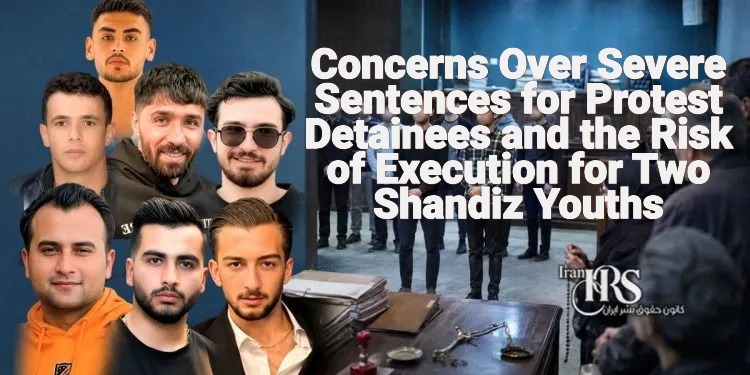
Shandiz: Concerns Over Severe Sentences for Protest Detainees and the Risk of Execution for Two Shandiz Youths
Reports received from Mashhad indicate growing alarm over the fate of individuals detained during the January 2026 protests in Shandiz. According to these reports, Mehdi Zarif has been sentenced to death, while Ali Zaghi faces charges of Moharebeh (enmity against God) and risks receiving a capital sentence. Families and sources close to the case have expressed deep anxiety regarding the status of these prisoners.
Iran Human Rights Society, Saturday, August 1, 2026– Reports emerging from Mashhad indicate that the cases of several youths detained during the January 2026 protests in the city of Shandiz have entered a critical stage. Based on received information, at least eight young men from this city are facing severe legal prosecutions; among them, Mehdi Zarif has been sentenced to death, and Ali Zaghi faces the immediate risk of a capital sentence. Informed sources also report heightened fears over the imminent execution of Mehdi Zarif’s sentence.
What You Will Read in This Report
- Details of the Shandiz detainees’ cases
- Names of youths under judicial prosecution
- The death sentence issued for Mehdi Zarif
- Ali Zaghi’s legal status and the risk of capital punishment
- Family concerns following calls for a final visit
- Conclusion
The Case of Shandiz Detainees Enters a Critical Stage
According to received information, the cases of several young men arrested during the January 2026 nationwide protests in the town of Shandiz have reached a dangerous precipice, sparking grave concern over their fates.
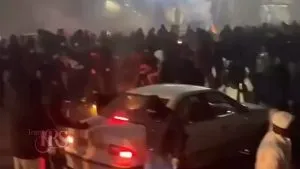
Like many cities across Iran, Shandiz witnessed widespread public demonstrations on January 8 and 9, 2026. Local reports indicate that following these protests, security forces conducted roundups of local residents and youths, opening high-level security cases against them.
Informed sources now state that several of these cases have resulted in maximum sentences, raising the real prospect of heavy punishments, including execution.

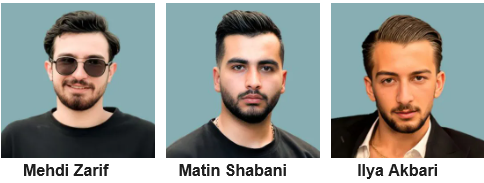
Names of the Prosecuted Shandiz Youths
Based on published reports, the identities of several young men prosecuted in connection with this case include:
- Ilya Akbari
- Ali Zaghi
- Mehdi Zarif
- Matin Shabani
- Farshad Hosseinpour
- Sajad Cherani
- Majid Hosseinpour
- Hossein Safarpour
- Hossein Rasouli
Sources close to the cases emphasize that the legal standing of all these individuals is precarious as judicial proceedings continue.
Mehdi Zarif Sentenced to Death
According to incoming reports, Mehdi Zarif, a young resident of Shandiz arrested during the January 2026 protests, has been sentenced to death by the Mashhad Revolutionary Court.
Informed sources state that the verdict was issued based on charges of Moharebeh alongside provisions of the legislation titled the “Law on Intensifying Punishment for Espionage and Cooperation with the Zionist Regime and Hostile States.”
However, published reports note that the written court ruling provides no evidence demonstrating direct contact with foreign governments, receipt of orders, financial backing, or organized group membership. Instead, the case relies primarily on his presence during public street demonstrations and actions attributed to him during those protests.
Ali Zaghi Faces Risk of Capital Punishment
Reports indicate that Ali Zaghi is another defendant in this joint case charged with Moharebeh, with informed sources warning of a high probability that a death sentence will be handed down against him.
Although official documentation regarding the final status of Ali Zaghi’s case has not been made public, sources close to the family state that his life remains in clear danger.
These sources observe that the judicial handling of the Shandiz detainees closely mirrors previous protest-related group prosecutions—such as the King Ali Khani Square case in Isfahan—where multiple co-defendants received capital sentences.
Escalating Anxiety Following Request for Final Visit
Sources close to Mehdi Zarif’s family report that security entities have subjected them to intense pressure over recent months to prevent media coverage of the case.
However, a recent summons instructing the family to attend a “final visit” (Agharin Molaqat) has dramatically heightened fears of an imminent execution.
His family and relatives fear that the death sentence may be carried out abruptly without prior public notice—a practice previously documented in several protest-related execution cases.
Unclear Status of Other Shandiz Detainees
Alongside the cases of Mehdi Zarif and Ali Zaghi, the legal status of the remaining Shandiz youths remains largely unconfirmed.
As of the publication of this report, no official information has been released detailing the trial progress or charges for Ilya Akbari, Matin Shabani, Farshad Hosseinpour, Majid Hosseinpour, Hossein Safarpour, or Hossein Rasouli.
Local sources report that families remain in deep distress over the lack of transparency, calling for clear information regarding their relatives’ whereabouts and legal standing.
Legal Review of the Case Based on Domestic Laws
Iran’s judicial handling of security cases and protest crackdowns has drawn repeated criticism from legal experts and international bodies over non-compliance with due process, broad applications of capital offenses, and lack of evidentiary rigor. The proceedings against the Shandiz youths—specifically Mehdi Zarif and Ali Zaghi—raise profound legal questions regarding trial fairness and the statutory basis for capital punishment.
Legal Ambiguities
According to reported details, the Mashhad Revolutionary Court sentenced Mehdi Zarif to death under espionage and anti-hostile state statutes alongside Moharebeh. Yet informed sources confirm that the trial record lacks evidence proving foreign ties, organizational directives, or financial transactions, relying instead on protest participation.
Furthermore, state pressure on families to enforce silence and the sudden request for a final visit raise serious concerns regarding procedural rights and execution execution protocols under domestic law.
The case of Ali Zaghi presents identical procedural ambiguities regarding how Moharebeh is applied, while the lack of basic case details for the remaining co-defendants reflects systemic non-compliance with judicial transparency laws.
Relevant Statutory Provisions
- Article 32 of the Constitution: Mandates strict statutory adherence during arrest and requires immediate formal notification of charges.
- Article 35 of the Constitution: Guarantees all defendants the right to select their own defense counsel.
- Article 36 of the Constitution: Requires that sentences be imposed solely by a competent court in strict accordance with statutory law.
- Article 37 of the Constitution: Formally guarantees the presumption of innocence.
- Article 38 of the Constitution: Strictly prohibits torture or coercion for extracting statements or confessions, deeming coerced statements legally void.
- Article 39 of the Constitution: Forbids any violation of the honor or dignity of detainees and prisoners.
- Code of Criminal Procedure: Protects the right to an effective defense, access to legal counsel, impartial trial standards, and the right to appeal lower court decisions.
Statutory Violations
Primary legal concerns in this case include:
- Application of broad security charges and anti-espionage laws without presented evidence of foreign contact or state backing;
- Severe ambiguities regarding fair trial guarantees and the ability to mount an effective legal defense;
- Total lack of procedural transparency regarding case files, evidence, and written trial opinions;
- Systemic security pressure exerted on families to suppress information;
- Passing and preparing to execute death sentences under compromised procedural conditions.
Human Rights Violations Regarding the Shandiz Youths
From an international human rights perspective, the Shandiz cases present alarming violations. Capital sentences issued for protest participation, the threat of execution against Ali Zaghi, procedural secrecy, and family intimidation conflict directly with fundamental international standards.
Human rights mechanisms repeatedly state that applying the death penalty following trials plagued by due process doubts or insufficient evidentiary grounds constitutes an arbitrary deprivation of the right to life. Furthermore, threatening or intimidating families to silence them violates international rights to freedom of expression and access to information.
Relevant International Legal Instruments
- Article 3 of the Universal Declaration of Human Rights: The right to life, liberty, and security of person.
- Article 5 of the Universal Declaration of Human Rights: Absolute prohibition of torture or cruel, inhuman, or degrading treatment or punishment.
- Article 9 of the Universal Declaration of Human Rights: Prohibition of arbitrary arrest, detention, or exile.
- Article 10 of the Universal Declaration of Human Rights: The right to a fair and public hearing by an independent and impartial tribunal.
- Article 6 of the International Covenant on Civil and Political Rights: Protects the inherent right to life, emphasizing that in countries retaining capital punishment, it may only be applied following strict compliance with fair trial guarantees.
- Article 14 of the International Covenant on Civil and Political Rights: Guarantees fair trial standards, effective legal representation, and defense rights.
- UN Convention Against Torture: Explicitly invalidates any confession or statement obtained under duress or torture.
- UN Nelson Mandela Rules: Requires respect for the human dignity of prisoners and bans degrading treatment against detainees and their families.
The situation surrounding the Shandiz detainees—most urgently the imminent execution threat facing Mehdi Zarif and the capital charges against Ali Zaghi—highlights ongoing international concerns over Iran’s judicial processing of demonstrators. Rights organizations continue to call for an immediate stay of execution and an independent review of all charges brought against the Shandiz youths.
See also the below articles:
- Mehdi Nazer and Mahnaz Chardoli Death Sentences Under Supreme Court Review
- Benyamin Naqdi Death Sentence Upheld by Iranian Supreme Court
Follow Iran Human Rights Society on social networks:
Telegram /Twitter /Instagram / YouTube / Facebook
Join Iran Human Rights Society on Twitter