
The “Tuesdays Against Execution” campaign in Iran fights for political prisoners’ release and an end to the death penalty, gaining global support.
Iran Human Rights Society, Tuesday, August 12, 2025 – The “Tuesdays Against Execution” campaign has become a powerful symbol of resistance in Iran. Now in its 81st week, it demands an end to the death penalty and the release of political prisoners. On August 12, 2025, protesters across dozens of Iranian cities rallied, showcasing unwavering public support. This movement challenges the regime’s brutal use of executions to silence dissent. It also calls for dismantling oppressive structures that violate human rights. With global attention growing, the campaign stands as a beacon of hope for justice.
Nationwide Protests Amplify the Anti-Execution Movement
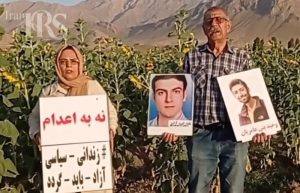
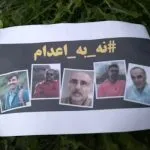
On August 12, 2025, citizens in cities like Astara, Bojnurd, Birjand, Tehran, Khorramabad, Sabzevar, Sar-e Pol-e Zahab, Kerman, Hamedan, and Sanandaj took to the streets. They carried placards and photos of death row prisoners, chanting slogans that echoed their resolve. Protesters held signs reading, “Tuesdays Against Execution,” “Our cry is stronger than your gallows,” and “Political prisoners must be freed.” These messages show the campaign’s focus on ending executions and addressing broader human rights abuses. The public’s united voice condemns the regime’s repressive tactics.
Faces of Resistance: Political Prisoners in Focus
Protesters highlighted five political prisoners recently moved to undisclosed locations: Vahid Bani-Amerian, Pouya Ghobadi, Akbar Daneshvarkar, Babak Alipour, and Mohammad Taghavi. Human rights advocates warn that these secretive transfers often signal imminent executions. Families and supporters fear for their safety, as authorities provide no information. The campaign uses these prisoners’ stories to rally support and demand their immediate release. By sharing their images, protesters keep their plight visible and urgent.
- Hunger Strike in Lakan Prison: Political Prisoners Demand Justice
- Execution of 9 Prisoners in Prisons of Arak, Kermanshah, Ahvaz, Mashhad, and Saravan
Families Lead the Charge Against the Death Penalty
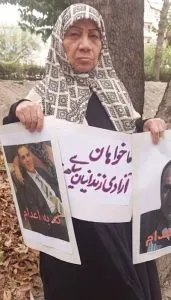
Families of death row prisoners play a central role in the campaign. Despite threats and hardships, they remain vocal and resilient. For example, Akbar Daneshvarkar’s mother, though elderly and ill, joined protests with her husband. She held a photo of her son and a sign demanding freedom for political prisoners. Families of Vahid Bani-Amerian and Pouya Ghobadi also attended, carrying signs like “No to execution” and “Support Tuesdays Against Execution.” Their courage inspires others to join the fight for justice.
A Platform for Broader Demands
The “Tuesdays Against Execution” campaign has evolved into a platform for wider demands. Beyond opposing the death penalty, it calls for releasing political prisoners and prosecuting those responsible for repression. Protesters also seek to dismantle systems that violate human rights. Social analysts note that this movement unites diverse voices in a shared struggle for freedom. It transforms individual grief into a collective demand for systemic change, amplifying its impact across Iran.
Global Support for the Anti-Execution Cause
Human rights organizations worldwide have praised the campaign’s persistence. They urge an immediate halt to executions and fair trials for political prisoners. Many of these prisoners face sentences based on forced confessions obtained through torture. Activists, both Iranian and international, view the campaign as a model of grassroots resistance. It draws global attention to Iran’s human rights crisis, pressuring the regime to reconsider its policies.
Executions as Tools of Fear
Iran’s ruling regime uses executions to suppress dissent and instill fear. Statistics reveal one of the highest execution rates globally, targeting not just criminals but also political opponents. Human rights defenders argue that this policy aims to silence voices of resistance. The “Tuesdays Against Execution” campaign directly challenges this tactic, exposing its cruelty and demanding accountability. Protesters refuse to let fear silence their call for justice.
A Call to Expand the Movement
Supporters urge Iranians, both at home and abroad, to join the “No to Execution” movement. They encourage participation in protests, sharing stories of prisoners, and writing to international organizations. Advocates also call for diplomatic pressure to amplify the campaign’s message. By uniting voices globally, the movement seeks to save lives and end the cycle of violence. Every action, from street protests to social media posts, strengthens the cause.
Human Rights Violations in Focus
Executions in Iran violate key human rights principles. They breach
- Article 3 of the Universal Declaration of Human Rights, which protects the right to life.
- Article 5 prohibits torture and cruel treatment, yet forced confessions persist.
- Article 10 guarantees fair trials, but many prisoners face biased courts.
- Article 19 upholds freedom of expression, which executions aim to suppress. The campaign highlights these violations to demand change.
A Sustained Fight for Dignity and Justice
The 81st week of the “Tuesdays Against Execution” campaign proves its enduring strength. Protesters, families, and activists remain committed to ending the death penalty and securing justice. Their slogan, “No to Execution,” defends human dignity and the right to life. By standing together, they challenge the regime’s violence and build hope for a freer, fairer Iran. This movement is not just a protest; it is a powerful cry for lasting change.
Follow Iran Human Rights Society on social networks:
Telegram /Twitter /Instagram / YouTube / Facebook
Join Iran Human Rights Society on Twitter





Discussion about this post