
Discover the chilling truth of Vakilabad Prison quarantine ward, a symbol of 1980s repression and the 1988 massacre.
Iran Human Rights Society, Thursday, September 18, 2025 – The Vakilabad Prison quarantine ward stood as a haunting symbol of silent torture in 1980s Iran. This notorious section crushed political prisoners’ spirits through isolation. Small, windowless cells stripped away light, sound, and hope. Neither day nor night held meaning. Newly released documents and survivor testimonies expose this ward’s role in systematic repression. The Iran Human Rights Society, on September 4, 2025, revealed these horrors, shedding light on a dark chapter. The ward’s design aimed to erase dissenters’ identities. Yet, survivors’ stories ensure their suffering endures in our collective memory. This article uncovers the ward’s structure, the 1988 massacre, and the psychological torment prisoners faced. It calls for justice and remembrance.
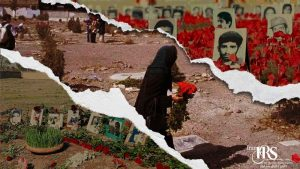
The Structure of Vakilabad Prison Quarantine Ward: Isolation by Design
The Vakilabad Prison quarantine ward featured four halls with rows of solitary cells. Each cell isolated prisoners completely. Guards denied visits and phone calls. Many prisoners endured up to three years in these conditions. No sunlight reached the cells. Silence suffocated them. Curtains covered hallways, blocking even a glimpse of another person. This design aimed to plunge prisoners into oblivion. It stripped them of human connection. Survivors describe the ward as a tomb. The lack of stimuli broke their sense of time. Days blurred into nights. The ward’s purpose was clear: destroy the human spirit. These cells targeted not just bodies but identities. The quarantine ward’s structure ensured prisoners felt forgotten.
The 1988 Massacre: A Bloody Chapter in Vakilabad Prison
The 1988 massacre marks a horrific moment in Iran’s history. The Vakilabad Prison quarantine ward played a central role. Hundreds of political prisoners languished in isolation. Many had no contact with the outside world. In August and September 1988, guards called their names. Lists decided their fate based on loyalty questions. Defiant answers led to death. Only one prisoner from the quarantine ward survived. Others faced silent executions. Guards led them to the gallows without ceremony. Trucks carried bodies away. Survivors recall empty cells and blood-scented walls. The massacre aimed to erase a generation of freedom-seekers. Yet, their memory lives through testimonies. This tragedy reminds us why we must resist forgetting. The 1988 massacre demands justice.
Psychological Torture: Sounds of Suffering in Vakilabad Prison
Beyond executions, prisoners in the Vakilabad Prison quarantine ward endured psychological torment. Near Ward 1, authorities performed amputations as punishment. Screams echoed through the cells. Prisoners heard chains, whips, and cries. These sounds haunted their minds. Day and night merged, amplifying the torture. The relentless noises caused lasting mental wounds. Survivors describe severe depression and anxiety. Some lost their sense of reality. The ward’s silence contrasted with these horrific sounds. This contrast broke prisoners’ spirits. The psychological scars lingered long after release. The quarantine ward’s design ensured torment was constant. It targeted prisoners’ minds, not just their bodies. These stories highlight the cruelty of silent torture.
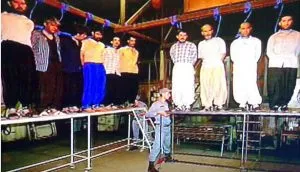
Solitary Confinement: Erasing Humanity in Vakilabad Prison
Solitary confinement in the Vakilabad Prison quarantine ward redefined cruelty. Cells lacked windows, light, and sound. Prisoners lived in darkness. Thick curtains blocked human contact. Time lost meaning. Survivors recount losing track of days. Some forgot their own names. The isolation caused hallucinations and personality breakdowns. Physically, prisoners suffered muscle weakness and vision issues. Skin diseases were common. However, the psychological toll was worse. Depression and anxiety overwhelmed them. Some never recovered basic human interactions. The cells aimed to annihilate identity. They buried prisoners alive in silence. Yet, survivors’ testimonies keep their stories alive. The quarantine ward’s horrors reveal the cost of dissent. These accounts demand we remember.
Testimony for Truth: Preserving Vakilabad Prison’s Legacy
The story of the Vakilabad Prison quarantine ward is not just about pain. It’s a call for truth. Survivors share their memories to honor the fallen. They resist the erasure of history. Documenting the 1988 massacre ensures accountability. The quarantine ward’s horrors must not fade into oblivion. Testimonies preserve human dignity. They shine light on dark times. Forgetting benefits oppressors. Therefore, we speak to remember. Survivors’ stories inspire future generations. They show the price of freedom. This narrative isn’t about revenge. It builds a foundation for justice. By sharing these truths, we bridge past suffering to future hope. The quarantine ward’s legacy lives through resilience. Truth ensures the silenced are heard.
International Accountability: Justice for Vakilabad Prison Victims
The Vakilabad Prison quarantine ward demands global attention. Its solitary cells and the 1988 massacre reveal a brutal history. These stories call for justice. International courts must hold oppressors accountable. Survivors and witnesses play a vital role. Their documents, photos, and testimonies build a case. Every detail matters. Sharing evidence ensures the suffering wasn’t in vain. The world must recognize these crimes. Justice requires truth. Therefore, we urge anyone with information to come forward. The quarantine ward’s victims deserve remembrance. Their stories fuel the fight for human rights. This narrative is a document for today and tomorrow. It ensures history’s conscience remains alive.
See also the below articles:
- Transfer of Babak Shahbazi to Solitary Confinement and Concerns Over Imminent Execution of Death Sentence
- Critical Physical Condition of Jaber Alboshokeh in Sheiban Prison, Ahvaz
Follow Iran Human Rights Society on social networks:
Telegram /Twitter /Instagram / YouTube / Facebook
Join Iran Human Rights Society on Twitter








Discussion about this post