
Shahab Sarkhoshpour and four others face execution in Lakan Prison, Rasht, on “baghi” charges.
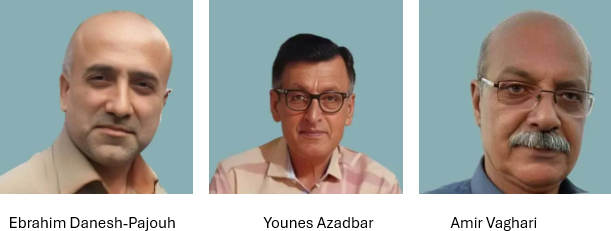
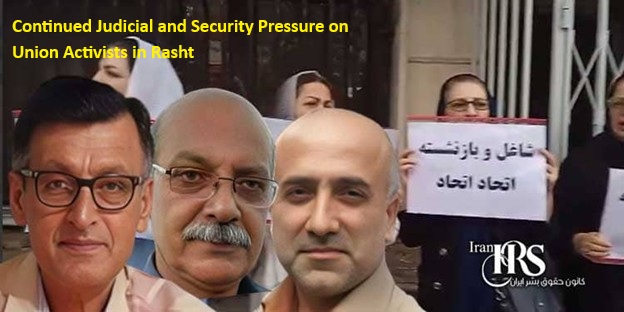
Iran Human Rights Society, Friday, August 22, 2025 – Younes Azadbar, Shahreh Kassaie, Amir Vaghari Farhnak Langroudi, and Ebrahim Danesh-Pajouh Nehazmi confront relentless judicial and security pressure in Rasht. Authorities summoned them to Branch 4 of the Public and Revolutionary Prosecutor’s Office on August 18, 2025. These union activists face vague charges like “disrupting public order,” highlighting Iran’s systematic targeting of dissent. This article examines their cases, health concerns, and the urgent need for human rights action.
Summons and Charges Against Union Activists
On August 18, 2025, authorities summoned four union activists—Younes Azadbar, Shahreh Kassaie, Ebrahim Danesh-Pajouh, and Amir Vaghari Farhnak Langroudi—to Branch 4 of Rasht’s Prosecutor’s Office. Azadbar, Kassaie, and Danesh-Pajouh must defend against “disrupting public order and peace” within five days. Danesh-Pajouh faced a similar summons in June 2025. Amir Vaghari Farhnak Langroudi’s case stems from critical social media posts about Iran’s economic and social conditions. These vague charges reflect a pattern of case fabrication.
Intense Pressure on Younes Azadbar
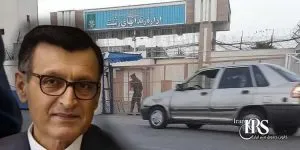
Younes Azadbar endures the heaviest judicial scrutiny. Security forces arrested him on May 5, 2025, in Rasht, releasing him on bail six days later after intense interrogation. On July 7, 2025, he received a summons to Branch 2 of the Rasht Revolutionary Court for “propaganda against the regime” and “insulting Khamenei.” In February 2024, authorities charged him with “disrupting public order” and “membership in anti-regime groups.” Another case opened in June 2024 at Branch 1 of the Sangar Revolutionary Court, showing relentless targeting.
Health Risks and Detention Conditions
Azadbar’s epilepsy worsens under detention’s stress. In December 2023, authorities rushed him to Heshmat Hospital in Rasht due to chest pain, fluctuating blood pressure, and psychological strain. Poor conditions in Lakan Prison aggravated his condition, yet officials released him only after a hefty 8 billion toman bail on December 16, 2023. The lack of adequate medical care during detention threatens his health, violating international human rights standards.
Arbitrary Detention and Judicial Flaws
Azadbar’s legal battles began on July 19, 2023, when agents raided his Sangar home, confiscated belongings, and arrested him. On August 31, 2023, he faced interrogation without a lawyer, defending himself alone. A judge returned the case to the prosecutor’s office for legal flaws, yet authorities continue using it to summon and pressure him. This cycle of arbitrary detention violates international human rights principles.
Systemic Human Rights Violations
The treatment of Azadbar and his fellow activists reveals widespread human rights abuses:
- Arbitrary Arrests: Repeated detentions without fair process breach human rights standards.
- Denial of Fair Trials: Lack of access to chosen lawyers violates fair trial rights.
- Health Neglect: Inadequate medical care for Azadbar’s epilepsy threatens his well-being.
- Suppression of Expression: Charges like “propaganda against the regime” curb free speech.
These actions aim to silence union activism and dissent.
Impact on Families and Society
The judicial pressure on Azadbar and others affects their families. The emotional and financial toll of repeated summonses, arrests, and bails creates significant hardship. Such repression stifles civil society, discouraging union activities and public dissent. This chilling effect undermines freedom of association and expression.
Human Rights Demands
Human rights groups demand immediate action:
- End Case Fabrication: Stop using vague charges to target activists.
- Ensure Fair Trials: Provide access to independent lawyers and transparent processes.
- Guarantee Medical Care: Offer proper treatment for Azadbar’s epilepsy.
- Respect Free Speech: Cease punishing activists for expressing critical views.
These demands align with international human rights obligations.
Union and Human Rights Responses
The Coordinating Council of Iranian Teachers’ Trade Associations expressed concern over the case fabrication against teachers and civil activists, calling for an end to the repressive environment, guarantees of fair trials, and respect for freedom of expression.
Human rights organizations have repeatedly warned against the instrumental use of security charges to target union activists. They argue that this trend not only violates the individual rights of activists like Younes Azadbar but also has a chilling effect on civil society and union activities.
Security Pressure on Union Activists
Younes Azadbar’s case is a clear example of the relentless cycle of security, judicial, and psychological pressure on union activists in Iran. Repeated arrests, denial of basic rights, use of heavy bails, and the constant threat of new cases are all tools employed by security and judicial authorities to instill fear and silence dissent.
While the international community and human rights organizations have repeatedly called for Iran to uphold its international obligations, the continuation of such practices shows that activists like Younes Azadbar remain subject to systematic human rights violations, affecting both their personal lives and the broader civil and union landscape in the country.
See also the below articles:
- Inhumane Conditions in Ward 7 of Evin Prison: Widespread Violations of Prisoners’ Rights
- Harsh Disciplinary Rulings Target Sanandaj Teachers’ Trade Association
Follow Iran Human Rights Society on social networks:
Telegram /Twitter /Instagram / YouTube / Facebook
Join Iran Human Rights Society on Twitter






Discussion about this post