
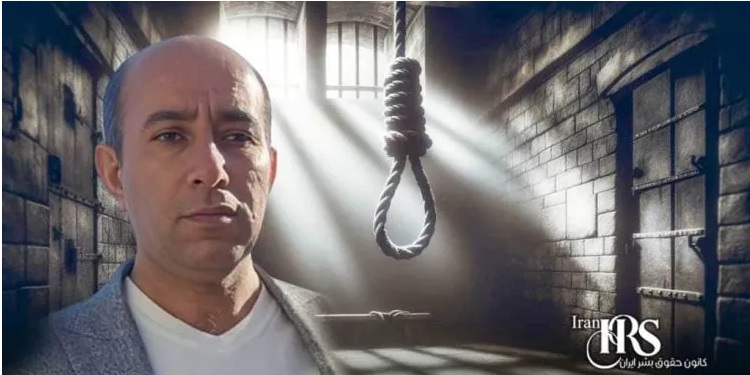
Yaqub Derakhshan’s death sentence for “rebellion” highlights Iran’s escalating repression. Unfair trials and torture spark global calls to stop political executions.
Iran Human Rights Society, Friday, July 25, 2025 – Iran’s judicial system sentenced political prisoner Yaqub Derakhshan to death on July 24, 2025, intensifying fears of rising political repression. Held in Lakan Central Prison in Rasht, Derakhshan faces execution on vague “rebellion” charges, reflecting Iran’s systematic targeting of dissidents. Over 300 international experts recently warned of a potential repeat of the 1988 massacre, and Derakhshan’s case underscores this danger. This article examines his unjust trial, the broader wave of repression, and urgent calls for global action to halt political executions in Iran.
Unfair Trial and Fabricated Charges

Yaqub Derakhshan, from Bandar Anzali, endured a rushed, opaque trial via videoconference, presided over by Judge Darvish-Goftar. The Revolutionary Court denied him a fair defense, violating international legal standards. Initially arrested in July 2024 for “propaganda against the regime,” he was released on bail. However, authorities rearrested him in April 2025 without a warrant, abruptly escalating charges to “rebellion,” a capital offense. Sources confirm no new evidence supported this shift, indicating a deliberate move to silence him.
Pattern of Repression Against Political Prisoners
Derakhshan’s case mirrors a chilling pattern in Iran. Authorities often impose lighter charges like “propaganda” initially, only to escalate to severe accusations such as “rebellion” or “enmity against God” upon rearrest. For instance, Farshad Etemadifar, Masoud Jamei, and Alireza Mardasi faced similar tactics, receiving death sentences for their PMOI/MEK support. This strategy allows the regime to target civic activists systematically. Moreover, human rights groups report over 1,300 executions since President Pezeshkian’s administration began, highlighting an alarming surge in political repression.
Denial of Legal Rights and Use of Torture
Derakhshan faced blatant violations of his rights. The court barred his chosen lawyer and excluded his family from hearings. Reports indicate interrogators subjected him to prolonged psychological and physical pressure, extracting forced confessions used as evidence. Such tactics violate international prohibitions on torture and fair trial standards. Consequently, his death sentence lacks legitimacy, as it stems from coerced evidence and a non-transparent process. This reflects Iran’s broader misuse of judicial power to eliminate dissent.
A Broader Wave of Political Executions
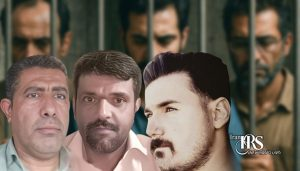
The death sentence for Yaqub Derakhshan signals a new wave of repression under Pezeshkian’s administration. Amnesty International and Human Rights Watch have condemned Iran’s use of vague charges like “rebellion” to target activists. These organizations warn that such sentences, lacking legal basis, aim to crush opposition. For example, 74 executions occurred between June 22 and July 22, 2025, many targeting political prisoners. Furthermore, the regime’s rhetoric, including a July 8, 2025, Fars News editorial praising the 1988 massacre, fuels fears of mass executions.
Violations of International Human Rights Standards
Derakhshan’s case breaches multiple international standards:
– Right to a fair trial: Non-public, rushed hearings via videoconference denied him proper defense.
– Prohibition of torture: Forced confessions through psychological and physical abuse violate UN conventions.
– Right to life: The death penalty for political activities contravenes laws reserving execution for “the most serious crimes.”
These violations highlight Iran’s disregard for its human rights obligations, prompting global outcry.
Global Calls for Action
Over 300 experts, including Nobel laureate Jody Williams and former UN official Steven Rapp, urge the UN to condemn Iran’s political executions. They call on Dr. Mai Sato and Volker Türk to address these violations explicitly. Additionally, the UN General Assembly must tackle the 1988 massacre’s legacy in its resolutions. Derakhshan’s family, devastated by the verdict, demands international pressure to overturn his sentence. Without swift action, activists fear more prisoners will face execution.
Follow Iran Human Rights Society on social networks:
Telegram /Twitter /Instagram / YouTube / Facebook
Join Iran Human Rights Society on Twitter



Discussion about this post