
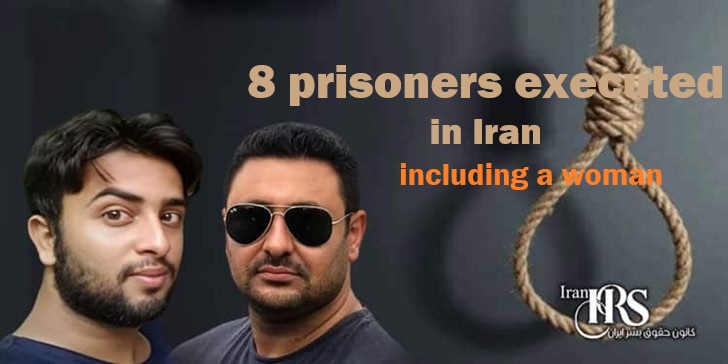
Iran executed 8 prisoners, including a woman, in Arak, Khorramabad, and more prisons amid protests. Charges: murder, drugs. This violates human rights.
Iran Human Rights Society, Sunday, November 2, 2025- Iran’s regime escalates executions to crush protests. Authorities hanged eight prisoners, including one woman, across six prisons. This wave hits as society boils with unrest. Two occurred earlier; six unfolded between October 28 and November 2. The regime deploys death penalties to stifle dissent. However, these moves spark global outrage. Furthermore, they clash with international human rights standards. Therefore, activists urge immediate intervention.
Recent Executions in Iran: A Tool for Repression
Iran’s authorities intensify hangings during protests. They target prisoners on murder and drug charges. This tactic aims to instill fear. Analyses show the regime uses executions to control crowds. For instance, popular uprisings rage on. Yet, officials ignore calls for mercy. Moreover, transparency lacks in trials. As a result, families suffer in silence.
Double Hanging in Arak Prison on Drug Charges
Dawn broke on Sunday, November 2, 2025, in Arak Prison. Guards executed two men for drug offenses. Ehsan Mehdipour’s identity surfaced first. He faced conviction without public details. The second prisoner’s name remains unknown. Investigators probe further. However, families waited in vain for visits. This secrecy fuels anger. Furthermore, drug cases often hide deeper injustices.
Mitra Zamani’s Execution in Khorramabad: A Woman’s Plight
Saturday, November 1, 2025, brought tragedy to Khorramabad Prison. Mitra Zamani met her end at dawn. Arrested in 2020, she stood accused of murder. Judges handed down death swiftly. No appeals swayed them. Therefore, her case highlights gender biases in sentencing. Activists decry the loss. Moreover, it underscores women’s vulnerability in Iran’s jails.
Two Men Hanged in Kermanshah for Murder
Wednesday, October 29, 2025, dawned grim in Kermanshah Prison. Two prisoners swung from ropes for murder. Hooman Azadi’s name emerged confirmed. His companion’s identity hides still. Trials rushed without fair hearings. However, protests echo against such verdicts. Families demand answers. As unrest grows, these acts seem deliberate. Furthermore, they violate due process norms.
Mahmoud Saei’s Fate in Yasuj Prison
Tuesday, October 28, 2025, marked another horror in Yasuj Prison. Mahmoud Saei faced the noose at dawn. Murder charges sealed his doom. He entered custody years prior. No last words reached the public. Therefore, silence amplifies the cruelty. Rights groups track these patterns. Moreover, they call for halts to such punishments.
Rasoul Farahbash Executed in Mashhad Without Supreme Court Review
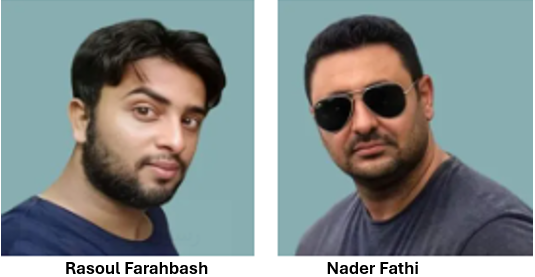
Monday, September 28, 2025, saw Rasoul Farahbash hanged in Vakilabad Prison, Mashhad. Hailing from Hamadan, he entered jail in 2018. Murder led to his death sentence. Shockingly, no Supreme Court scrutiny preceded the act. Guards acted fast. However, this bypasses legal safeguards. Families mourn the haste. Furthermore, it exposes systemic flaws.
Nader Fathi’s Hanging in Sari: Family Devastated
On Monday, September 22, 2025, Nader Fathi breathed his last in Sari Prison. A local man, married, and father to a 10-year-old girl, he fell to murder charges. Arrest gripped him in 2022. Dawn brought the end. His daughter now faces life scarred. Therefore, personal tolls mount. Activists highlight such stories. Moreover, they fuel anti-execution drives.
Death Penalty Clashes with Universal Declaration of Human Rights
Article 3 of the Universal Declaration safeguards life. Everyone claims this right. Courts may strip it only for grave crimes via fair verdicts. Yet, Iran’s death penalty defies this. It robs lives outright. Executions prove irreversible. Judicial errors offer no fixes. Furthermore, hanging methods torment like torture. Therefore, they breach core human dignity. Rights defenders spotlight these conflicts. However, regimes persist undeterred.
Iran’s Breach of International Covenant on Civil and Political Rights
Iran signed the International Covenant on Civil and Political Rights. Article 6 limits death penalties strictly. It demands fair trials for dire offenses only. Full guarantees must apply. Yet, many cases falter. Lack of openness plagues proceedings. Defendants face curbs. Courts lack independence. As a result, verdicts ring hollow. Therefore, global watchdogs condemn Iran. Moreover, protests demand covenant adherence. Activists push for reforms. However, executions surge instead.
See also the below articles:
- Intensification of Pressure on Azerbaijani Activists: 7 Transferred to Solitary in Evin
- 7 Executions in Iran: Regime’s Fear of Protests Exposed
Follow Iran Human Rights Society on social networks:
Telegram /Twitter /Instagram / YouTube / Facebook
Join Iran Human Rights Society on Twitter





Discussion about this post