
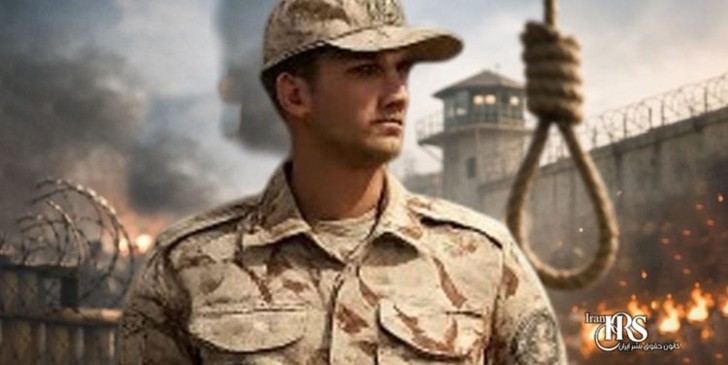
Javid Khales, a young man who refused to obey the order to shoot at people during the nationwide protests of 2026, has been sentenced to death. This ruling is another example of judicial massacre against protesters and a threat of summary trials.
Iran Human Rights Society, Tuesday, January 20, 2026 – Amid the continuation of protests and the intensification of deadly repression against the people, the news of Javid Khales—a young soldier who refused to shoot at protesters—being sentenced to death has heightened concerns about a new wave of judicial massacre. This sentence comes at a time when judiciary officials have openly spoken of summary trials and the swift execution of death sentences against those arrested in the protests.
Arrest of a Soldier for Disobeying the Order to Shoot at People
According to received information, Javid Khales is a young soldier who was arrested during the nationwide protests of 1404 (late 2025 – early 2026) for refusing to carry out the order to fire on protesters and was transferred to Esfahan prison. According to informed sources, when faced with the command to shoot at protesting people, he refused to execute the order, leading to his immediate arrest and the opening of a case against him.
This arrest occurred while security forces in many cities used military weapons to directly shoot at protesters, with reports indicating the killing of thousands of people in the streets. Observers say that Javid Khales’ refusal to shoot was not a crime but a humane act in the face of the massacre of the people.
Issuance of the Death Sentence Amid News Blackout
According to published reports, Javid Khales has been sentenced to death. However, as of the time of this report, no precise details are available regarding the specifics of the case, the judicial process, the official charges, or his current status.
The lack of transparency in this young soldier’s case has intensified concerns about hasty and extrajudicial rulings. Human rights activists emphasize that the news blackout on such cases is part of a policy to conceal realities and prevent public reaction.
Protests, Street Massacre, and New Wave of Judicial Repression
Javid Khales’ death sentence is announced while the nationwide protests of 1404 (late 2025 – early 2026) have been accompanied by deadly repression and widespread arrests. Reports from various regions of the country indicate that security forces have carried out massacres by directly shooting at protesters.
Human rights sources have stated that the number of fatalities in the protests reaches thousands, and what has been recorded so far is only a fraction of the reality. At the same time, tens of thousands have been arrested during these protests, many of whom remain in detention without access to a lawyer or fair trial.
In such circumstances, issuing a death sentence for a soldier who refused to shoot at people is seen as a sign of intensified judicial repression and an effort to instill fear among military forces and the public.
Threats of Summary Trials and Swift Executions
Simultaneously with the publication of news about Javid Khales’ conviction, judiciary officials have openly spoken of “decisive, deterrent, and swift” action against those arrested in the protests. The judiciary spokesperson and the Tehran prosecutor, in separate statements, emphasized that cases of protesters must lead to rulings in the shortest possible time.
Legal observers say that terms like “decisive and swift” in practice mean the start of summary trials and executions outside legal procedures. Past experience has shown that such promises often lead to hasty and extrajudicial sentences.
Human rights activists warn that this approach paves the way for another judicial massacre in the shadow of the protests, putting the lives of dozens of detainees in immediate danger.
Iran Human Rights Society’s Call for Information on Javid Khales
Due to the lack of precise information about Javid Khales’ case and current status, the Iran Human Rights Society has requested compatriots to provide any further details they may have about his identity, the judicial process, place of detention, and latest condition to this organization.
According to the organization, every document and account can help clarify the truth and prevent the execution of the death sentence. Human rights activists stress that publicizing this case can play a significant role in stopping a judicial crime.
Concerns About the Spread of Executions in the Shadow of Protests
Observers say that Javid Khales’ death sentence is part of a broader pattern aimed at creating fear among military forces and protest detainees. This pattern is reinforced by daily threats of execution against detainees and promises of swift trials.
While protests continue and street repression intensifies, the risk of an increase in death sentences is serious. Human rights activists emphasize that any delay in domestic and international reactions could lead to the repetition of judicial massacres.
Human Rights Violations in Javid Khales’ Case
Sentencing Javid Khales to death solely for refusing to shoot at protesters is a clear example of systematic human rights violations. Issuing a death sentence for a soldier because he refused to kill people demonstrates the instrumental use of the judiciary to enforce absolute obedience and intensify protest repression.
- Article 3 of the Universal Declaration of Human Rights (Right to life, liberty and security of person): The threat of executing Javid Khales seriously violates his right to life and personal security.
- Article 5 of the Universal Declaration of Human Rights (Prohibition of torture and inhuman treatment): Issuing a death sentence for moral disobedience is an example of inhuman and degrading treatment.
- Article 9 of the Universal Declaration of Human Rights (Prohibition of arbitrary arrest): Javid Khales’ arrest without a transparent judicial process violates his freedom and personal security.
- Article 10 of the Universal Declaration of Human Rights (Right to fair trial): Lack of transparency in the case and threats of summary trials violate the right to a fair trial.
- Article 11 of the Universal Declaration of Human Rights (Presumption of innocence): Hasty conviction without transparent disclosure undermines the principle of innocence.
See also the below articles:
- Judiciary Declares War on Protests; Promises “Harshest Punishments” and Lightning-Fast Trials
- Iran’s Attorney General Orders Asset Seizure Amid Deadly Protests
Follow Iran Human Rights Society on social networks:
Telegram /Twitter /Instagram / YouTube / Facebook
Join Iran Human Rights Society on Twitter


Discussion about this post