
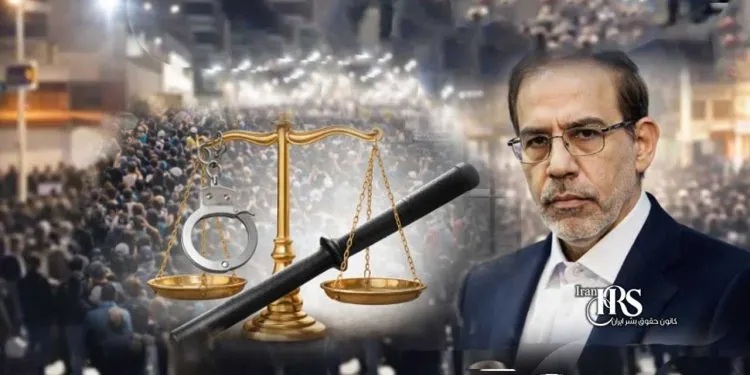
Iran judiciary threatens harshest punishments and lightning-fast trials for 1404 protesters. Mass arrests spark fears of human rights violations.
Iran Human Rights Society, Sunday, January 18, 2026 – Concurrent with the brutal suppression of the protests, fresh statements from judicial authorities indicate that the policy of forceful confrontation, hasty issuance of verdicts, and escalation of punishments remains firmly on the regime’s agenda. Legal observers consider this approach a clear sign of systematic human rights violations.
Open Threats of Heavy Punishments Against Protest Detainees
Asghar Jahangir, spokesperson for the Judiciary, threateningly declared that those arrested during the protests will face “the harshest punishments.” In his Sunday press conference, he stated that individuals he claims are “mohareb” (enemies of God) will be confronted with severe punishments without any leniency.
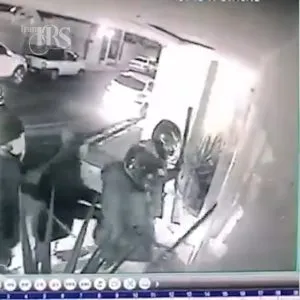
These remarks come at a time when tens of thousands of people have been arrested during the protests, and families are expressing deep concern about their loved ones’ fate. Observers note that the widespread use of heavy charges lays the groundwork for issuing severe sentences.
Promise of Rapid Trials and Fears of Unfair Proceedings
Repeating the pledge of “extremely severe punishments,” the Judiciary spokesperson emphasized that the cases of arrested protesters will reach sentencing “in the shortest possible time.” He stated that “the hands of judges are free” and called for preventing any prolongation of proceedings.
This emphasis on speed is regarded by human rights defenders as a serious threat to the right to a fair trial. According to them, rushed proceedings — especially in political cases — frequently result in the denial of the right to defense, restricted access to lawyers, and the issuance of pre-determined verdicts.
Unsubstantiated Security Claims and Repetition of the Suppression Pattern
Without presenting any evidence, Jahangir claimed that “among the detainees, individuals with links to Mossad have been identified.” Observers view this accusation as a repetition of the old pattern of attributing protests to foreign agents.
Analysts say that such claims are usually raised during protest peaks to legitimize repression and justify harsh sentences — allegations that have repeatedly been made in the past without any evidence.
Expansion of Threatening Rhetoric and Targeting of Call Organizers
Judicial threats now reach beyond street participants. Jahangir warned against people who issued protest calls. He promised punishment for every involved person. This rhetoric widens the scope of prosecution. Online activists face higher risks suddenly. Authorities aim to silence coordination efforts. The strategy increases fear among ordinary citizens. Many avoid expressing opinions online now.
Tehran Prosecutor’s Position and Emphasis on “Decisive and Rapid Action”
On January 17, 2026, Tehran Prosecutor Ali Salehi also announced that “the Judiciary’s response will be decisive, deterrent, and rapid.” This stance demonstrates that threats of execution and judicial repression continue to be the main tool for confronting protests.
Human rights activists stress that the phrase “decisive and rapid” in practice means the start of extrajudicial executions and the holding of field/tribunal-style courts — a pattern for which reports of implementation have previously been published.
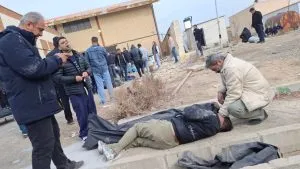
Protests, Mass Arrests, and Alarming Scale
These recent statements are made against a backdrop of reports indicating the killing of thousands of people and the arrest of tens of thousands during the protests. Many families remain unaware of the location and condition of their detained relatives.
Observers state that the escalation of judicial threats, combined with internet shutdowns and restrictions on information flow, points to a coordinated policy aimed at silencing the protests — a policy that has brought extensive human consequences.
International community faces urgent calls for action
Human rights advocates demand global intervention. They suggest referral to the UN Security Council. The UN Human Rights Council should address the crisis too. Massive arrests combined with execution threats raise alarms. Fast-track trials violate basic legal standards. Experts classify these actions as crimes against humanity. The international community must act quickly now.
Widespread Human Rights Violations in Judicial Handling of Protests
Statements by judicial officials about issuing rapid and severe verdicts, alongside mass arbitrary arrests, demonstrate systematic human rights violations in dealing with protests — a trend that seriously threatens the right to life, fair trial, and personal security of citizens.
- Article 3 of the Universal Declaration of Human Rights: Threats of execution and imposition of heavy punishments violate the right to life and personal security.
- Article 9 of the Universal Declaration of Human Rights: Widespread and arbitrary arrests constitute deprivation of liberty without legal guarantees.
- Article 10 of the Universal Declaration of Human Rights: Rushed trials and pressure for rapid verdicts violate the right to a fair trial.
- Article 11 of the Universal Declaration of Human Rights: Presuming detainees are “mohareb” violates the principle of presumption of innocence.
See also the below articles:
- Iran’s Attorney General Orders Asset Seizure Amid Deadly Protests
- Urgent Protection Needed: Tens of Thousands of Iranian Protest Detainees Face Life-Threatening Crisis
Follow Iran Human Rights Society on social networks:
Telegram /Twitter /Instagram / YouTube / Facebook
Join Iran Human Rights Society on Twitter





Discussion about this post