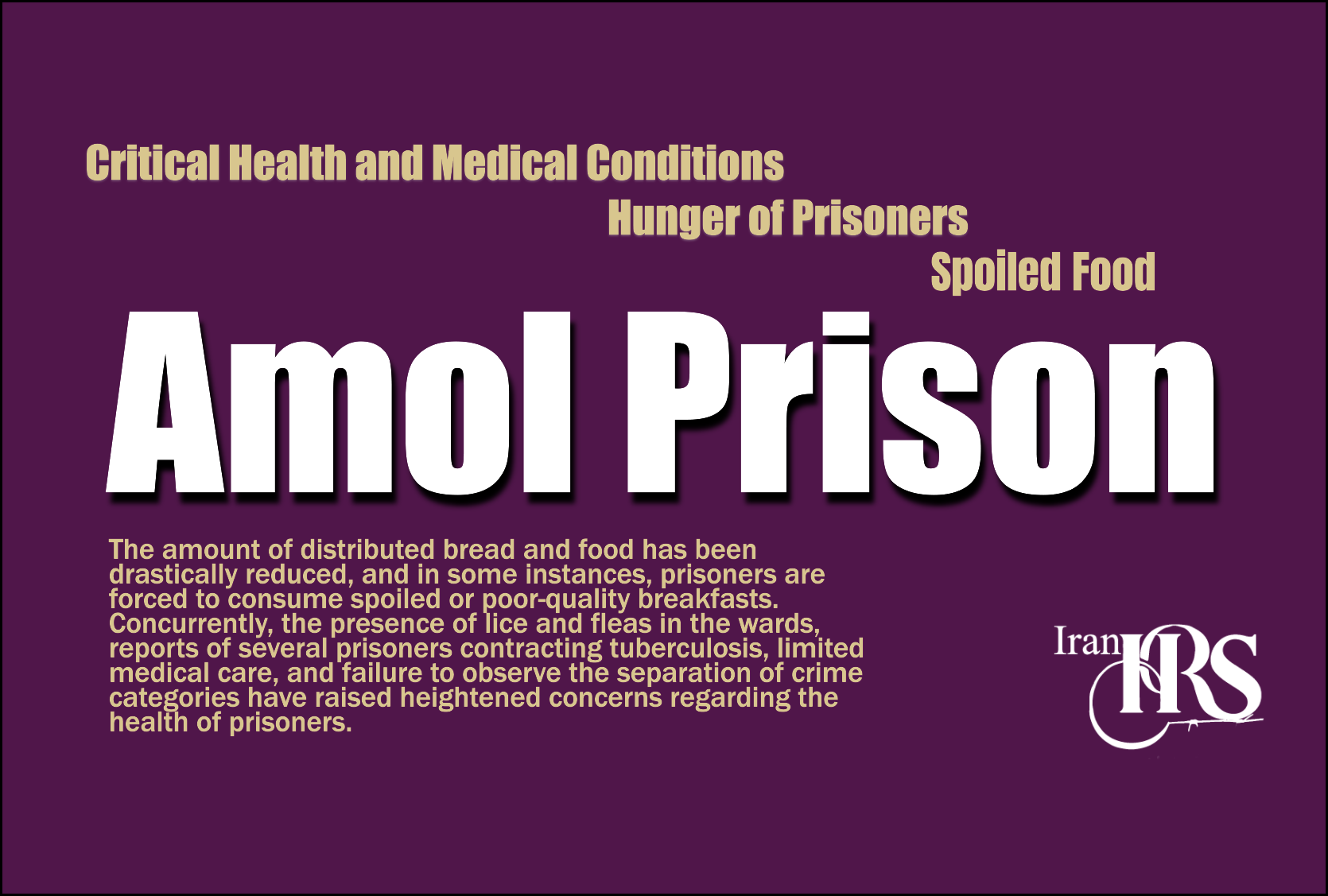
Reports recently emerging from Amol Prison indicate a severe reduction in food rations, the distribution of low-quality and in some cases spoiled food, improper sanitary conditions, infestations of lice and fleas, and very limited access of prisoners to medical services. These reports build upon information published about a month ago regarding overcrowding, pressure on detainees from the 2025 nationwide protests, and unsuitable holding conditions in this prison.
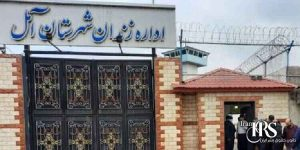
Iran Human Rights Society, Sunday, August 9, 2026 – Newly received information from Amol Prison points to the worsening conditions of nutrition, health, and medical treatment for prisoners. According to this information, the amount of distributed bread and food has been drastically reduced, and in some instances, prisoners are forced to consume spoiled or poor-quality breakfasts. Concurrently, the presence of lice and fleas in the wards, reports of several prisoners contracting tuberculosis, limited medical care, and failure to observe the separation of crime categories have raised heightened concerns regarding the health of prisoners.
Information Box | Status of Amol Prison at a Glance
| Topic | Reported Status |
| Nutritional Status | Noticeable reduction in food rations and insufficiency of bread, lunch, and dinner |
| Prisoners’ Breakfast | Distribution of low-quality jam and cheese, with reports of mold in some packages |
| Quality of Hot Food | Low-quality rice and watery stews; ambiguity regarding the quality of raw ingredients and consumed meat |
| Consequence of Food Shortage | Persistent hunger among a number of prisoners and being forced to consume unsuitable food |
| Sanitary Condition | Extremely poor conditions and reports of lice and fleas in prison wards |
| Contagious Diseases | Reports of several prisoners contracting tuberculosis and concerns over disease transmission |
| Medical Care | Very limited access to medical services, with a medical assistant visiting approximately once a week |
| Separation of Crime Categories | Non-observance of the principle of separating prisoners |
| Primary Concern | Physical health of prisoners, inadequate nutrition, contagious diseases, and the absence of effective medical care |
Reduction of Food Rations and Distribution of Spoiled Food in Amol Prison
According to newly received information from Amol Prison, the nutritional status of prisoners has been reported as severely poor during the recent period.
The breakfasts distributed in some cases consist of small packets of jam and cheese that are of substandard quality, with mold reported in some packages.
The distributed jams are in some instances so hard that normal consumption is difficult, and the quality of the packaged cheese has also been reported as poor.
The quantity of bread provided to prisoners has also decreased, and according to received information, the bread share in some meals has reached approximately half a loaf per prisoner.
The reduction in food volume and bread has caused a number of prisoners to suffer from persistent hunger.
In the received report, the reduction of food rations is described as a deliberate measure to increase pressure on prisoners.
Substandard Quality of Lunch and Dinner
The nutritional problem is not limited to breakfast alone; the quantities of lunch and dinner for prisoners have also been severely reduced.
The distributed rice is reported to be of very low quality, and prisoners have described its quality and texture as unsuitable.
The prison stews are reported to be mostly watery and low in contents, and there is ambiguity regarding the quality and type of meat used in some meals.
According to received information, hunger and the absence of alternative food options force prisoners to consume these very meals.
Providing sufficient, healthy food of appropriate nutritional value is one of the most basic responsibilities of prison management toward individuals who lack the ability to independently secure their own food.
Critical Health and Medical Conditions
Alongside nutritional issues, the sanitary conditions of Amol Prison are reported to be extremely poor.
According to received information, lice and fleas have been observed in various wards, and the lack of effective attention to sanitary conditions has confronted prisoners with compounded problems.
Furthermore, reports have emerged regarding several prisoners contracting tuberculosis. Given the contagious nature of this disease, such reports underscore the urgent need for immediate medical examination, diagnosis, treatment, and proper isolation of patients.
Prisoners’ access to medical staff is also reported to be very limited; according to information received, a medical assistant visits the wards approximately once a week without providing medical care commensurate with the needs of the prisoners.
Non-compliance with the proper separation of prisoners is another raised issue—a factor that, combined with overcrowding and sanitary problems, can jeopardize individuals’ health even further.
Reports and News Related to Human Rights Violations in Iran
- Complete list and details of political prisoners executed from 2021 to date
- Comprehensive list of prisoners sentenced to death – political prisoners and detainees of the 2025 protests
- Archive of Judges of Death — judges issuing execution sentences in Iran
- Latest news on protest detainees
- Let the world know what happened in Iran! Shocking videos + newly added videos of the 2025 nationwide protest killings
- Isfahan’s Shohada Square; 16 defendants, charges of Moharebeh (enmity against God), and infliction of torture; what we know about one of the most significant cases of the 2025 protests
- Legal documentary; examination of the performance of Mohammad Mahdi Shahmirzadi; judge and head of Branch 23 of the Tehran Islamic Revolutionary Court
- Legal documentary, examination of the case that led to the execution of Aref Khoshkar
Conditions of the 2025 Nationwide Protest Detainees
This new report comes as information was also published about a month ago regarding the unsuitable holding conditions of the 2025 nationwide protest detainees in Amol Prison.
According to that report, approximately 150 detainees from the cities of Amol, Nur, Chamestan, and Lavij were held at one point in the quarantine section of this prison.
The physical capacity of the quarantine was disproportionate to the number of detainees, and the small size of the rooms alongside the presence of a large number of prisoners caused severe overcrowding and reduced access to basic facilities.
That report also noted that communication pathways between the quarantine section and other parts of the prison were blocked, and movement to this section was strictly controlled.
Detainees faced restrictions on phone calls and access to basic amenities at times, and concerns existed regarding their medical condition as well.
Deliberate Sleep Disruption of Detainees
Another issue reported in the information from a month ago was the deliberate disruption of prisoners’ sleep.
According to that report, during the period when over one hundred people were present in quarantine, certain guards would bang batons and metallic objects against cell doors during night hours to prevent prisoners from resting.
Such behavior, beyond depriving individuals of adequate rest, can cause increased anxiety and psychological pressure on persons deprived of liberty.
The combined new information and previous reports present a concerning picture of conditions in Amol Prison: from shortages and low quality of food to unsanitary conditions, limited access to treatment, concerns over contagious diseases, and a history of pressure on detainees of the 2025 nationwide protests.
Legal Review of the Situation in Amol Prison Based on Domestic Laws
The dictatorial laws governing Iran in recent years have repeatedly been criticized for conflicting with fair trial standards, poor holding conditions of prisoners, and restricting the rights of persons deprived of liberty. Reviewing the situation in Amol Prison based on domestic laws does not imply endorsement of these laws; the objective is to highlight instances where even these existing laws have not been observed by prison authorities.
Legal Ambiguities of the Case
New reports regarding the reduction of food rations, distribution of spoiled or low-quality food items, and prisoner hunger raise serious questions regarding compliance with requirements for supplying healthy and adequate nutrition.
The presence of lice and fleas in wards and reports of several prisoners contracting tuberculosis highlight the necessity of examining how sanitary regulations are executed, how contagious diseases are prevented, and how prisoners access medical services.
The limited visits of medical staff and reports of inadequate care for sick prisoners, along with non-compliance with proper separation of prisoners, are other matters that must be examined from the perspective of the legal responsibility of the Prisons Organization.
Relevant Legal Articles
- Article 22 of the Constitution: Considers the life, rights, and dignity of individuals immune from violation.
- Article 39 of the Constitution: Expressly forbids any affront to dignity or dishonorable treatment of arrested persons and prisoners.
- Executive Regulations of the Prisons Organization: Emphasize providing adequate and suitable food and observing sanitary principles in places where prisoners are held.
- Regulations related to Prisoner Health and Treatment: Obligate prison officials to provide medical care, disease prevention, and treatment for sick prisoners.
- Regulations on Prisoner Classification: Emphasize the necessity of proper separation and classification of incarcerated individuals.
Instances of Law Violation
- Distribution of spoiled or low-quality food items;
- Reduction of food rations and insufficiency of bread and main meals;
- Unsuitable sanitary conditions and reports of lice and fleas in wards;
- Inadequate medical care for prisoners;
- Concerns regarding contraction of tuberculosis and the handling of infected prisoners;
- Non-observance of the principle of proper separation of prisoners;
- Reports of deliberate sleep disruption of detainees during the previous period;
- Reported restrictions on detainees’ communication with the outside world.
Reviewing the Situation in Amol Prison from the Perspective of Human Rights and Potential Violations of International Standards
Holding conditions for persons deprived of liberty must be accompanied by respect for human dignity. The quality and quantity of food, water, and sanitation, access to medical services, and preventive measures against contagious diseases are considered fundamental rights of prisoners, and deprivation of liberty does not invalidate these rights.
Reports received from Amol Prison concerning spoiled and insufficient food, prisoner hunger, unsanitary conditions, ward infestations of lice and fleas, tuberculosis transmission, and limited medical care raise serious concerns regarding compliance with these standards.
Relevant International Documents
- Article 5 of the Universal Declaration of Human Rights: Prohibition of cruel, inhuman, or degrading treatment or punishment.
- Article 10 of the International Covenant on Civil and Political Rights: Mandates that all persons deprived of their liberty shall be treated with humanity and with respect for the inherent dignity of the human person.
- Nelson Mandela Rules: Emphasize adequate food of nutritional value, drinking water, proper sanitation, and prisoners’ access to medical services.
- Nelson Mandela Rules on Healthcare Services: Government responsibility to provide medical care to prisoners and address contagious diseases.
See also the below articles:
- Hojjat Alizadegan Exiled to Saravan Prison and Denied Medication
- Ardabil Prison: 54 Protest Detainees Remain Held in Legal Limbo
Follow Iran Human Rights Society on social networks:
Telegram /Twitter /Instagram / YouTube / Facebook
Join Iran Human Rights Society on Twitter