
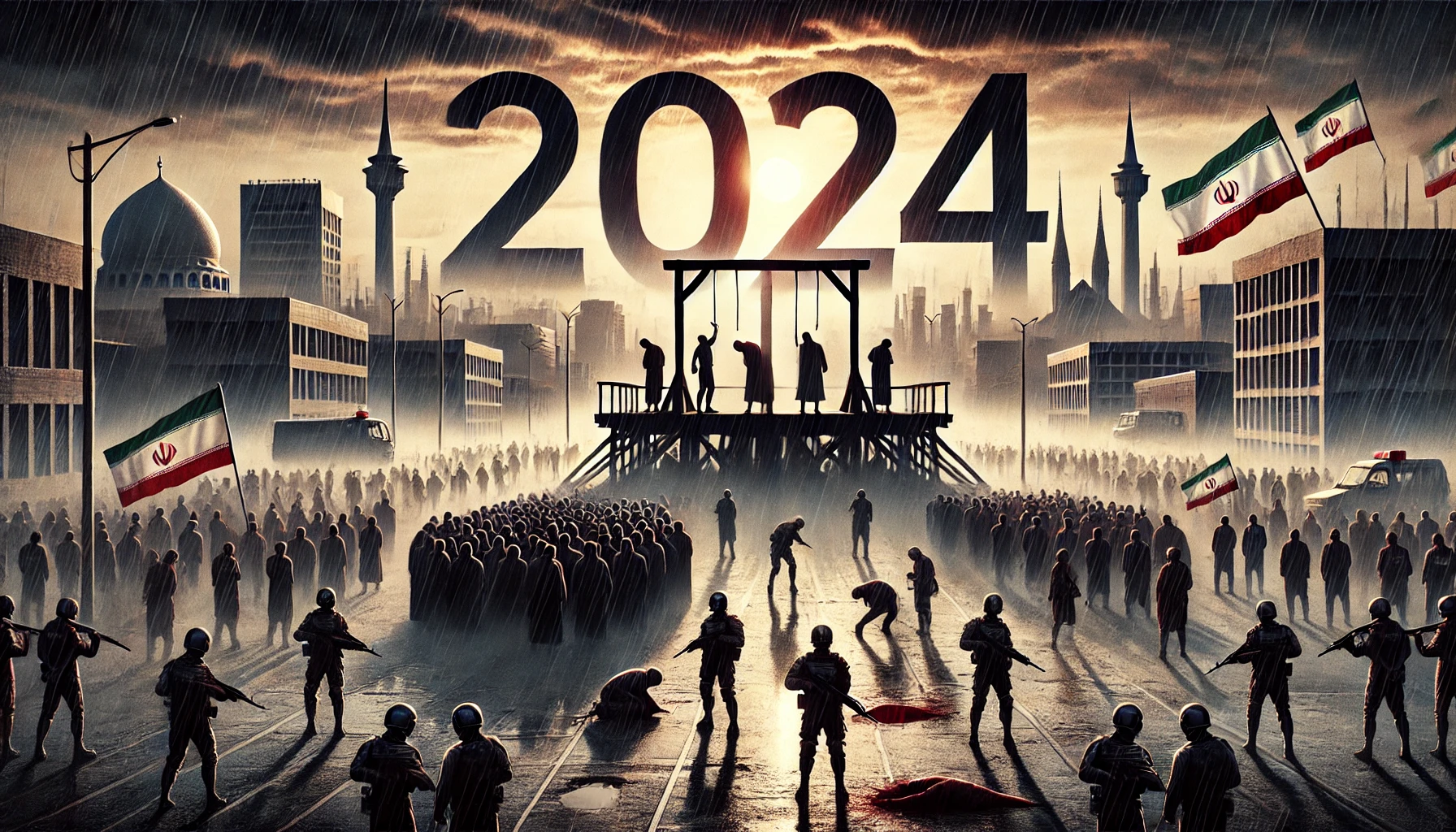
Human Rights Situation in Iran in the year 2024: Protests, Political Prisoners, and Executions
In 2024, the human rights situation in Iran remains a pressing issue that continues to draw widespread international attention. Despite some domestic reforms and promises of change, the Iranian government’s human rights record has not seen significant improvement. Issues such as the suppression of protests, the ongoing persecution of political prisoners, and a disturbing rise in executions have dominated the human rights landscape in the country. The Iranian authorities continue to employ authoritarian tactics to maintain control, often at the expense of fundamental human rights.
Suppression of Protests: The Struggle for Freedom of Expression
One of the most notable trends in Iran in 2024 has been the continued suppression of peaceful protests and the criminalization of freedom of expression. While the country saw major protests in 2022 following the death of Mahsa Amini in police custody, the government’s crackdown on dissent did not subside in the following year. Instead, the protests that erupted in late 2023 and early 2024 in response to economic hardship, social injustice, and political repression met with even harsher measures.
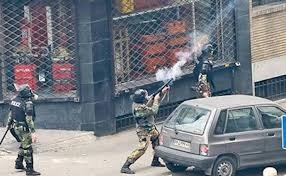
The Iranian authorities consistently use violent tactics to quell demonstrations, including the deployment of riot police, the use of live ammunition, and arbitrary arrests. Protestors, many of whom are young, have faced extreme repression. The government’s response to these protests often includes mass detentions, heavy surveillance, and widespread internet shutdowns to prevent the spread of protest activities.
Protestors in Iran often face severe punishment, ranging from imprisonment to torture and even execution. Many activists and civil society leaders, particularly women, targeted for leading or participating in these movements. Iran’s record of cracking down on peaceful demonstrations severely undermines the right to free speech, a cornerstone of human rights.
Arrests, Torture, and Arbitrary Detentions
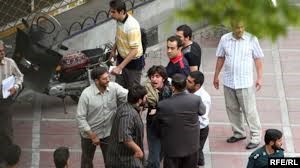
Political prisoners in Iran remain one of the most vulnerable groups, with the government routinely targeting those who speak out against the regime or advocate for democratic reforms. In 2024, the situation for political prisoners in Iran has continued to worsen. Hundreds of individuals remain imprisoned for their political views, and many more arrested over the year for participating in peaceful protests or criticizing government policies.
One of the most concerning issues regarding political prisoners in Iran is the systematic use of torture. Both physical and psychological abuse are commonplace in Iranian prisons, where prisoners are often forced to confess to crimes they did not commit. Many political prisoners are held without trial or subjected to unfair trials that do not meet international standards. Lawyers for political prisoners are frequently harassed, and some have even been imprisoned for attempting to defend their clients.
One of the most notorious cases in 2024 is that of human rights defenders and journalists, who continue to face imprisonment for exposing government corruption or advocating for greater freedoms. Among them are prominent activists, lawyers, and journalists who arrested under charges such as “spreading propaganda against the state” or “acting against national security.” These charges are often vague and used as a pretext to suppress opposition.
The Rise in Executions: A Continued Policy of State-Sanctioned Killings
Another disturbing trend in Iran in 2024 has been the alarming rise in executions. Iran has one of the highest execution rates in the world, and 2024 has proven to be no exception. While executions in Iran are often carried out under the guise of maintaining public order and national security, the reality is that many of those executed are political prisoners, activists, and even minors who are subjected to unfair trials.
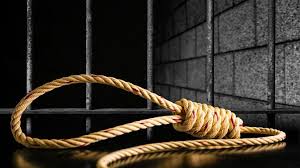
The government of Iran justifies its high execution rates by claiming that these individuals involved in criminal activities, such as drug trafficking or terrorism. However, human rights organizations point out that many of those executed are often subjected to forced confessions and lack access to legal representation. These executions frequently carried out without proper legal procedures, and the families of the victims are often denied the opportunity to say goodbye to their loved ones or hold funerals.
The execution of political prisoners, often in secret and without trial, remains a key tactic for the Iranian government to instill fear and maintain control over dissent. Executions also frequently used as a tool of intimidation against opposition groups, including ethnic and religious minorities, whose activism challenges the government’s authority.
Impact on Ethnic and Religious Minorities: Continued Marginalization
In 2024, ethnic and religious minorities in Iran, including Kurds, Baha’is, Christians, and Sunni Muslims, have continued to face persecution and discrimination. These groups often disproportionately targeted by the Iranian government for their beliefs or identity. Baha’is, for example, continue to face harassment, imprisonment, and restrictions on their religious practices, while Kurdish activists advocating for greater rights and autonomy continue to be imprisoned and executed.
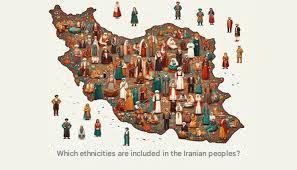
The treatment of religious minorities in Iran has drawn condemnation from international human rights organizations, but the government persists in its policies of marginalization and repression. These groups regularly accused to be “enemies of the state” or “agents of foreign powers,” charges that often used as a pretext for imprisoning individuals based on their ethnic or religious identity.
The Role of International Pressure: Global Calls for Accountability
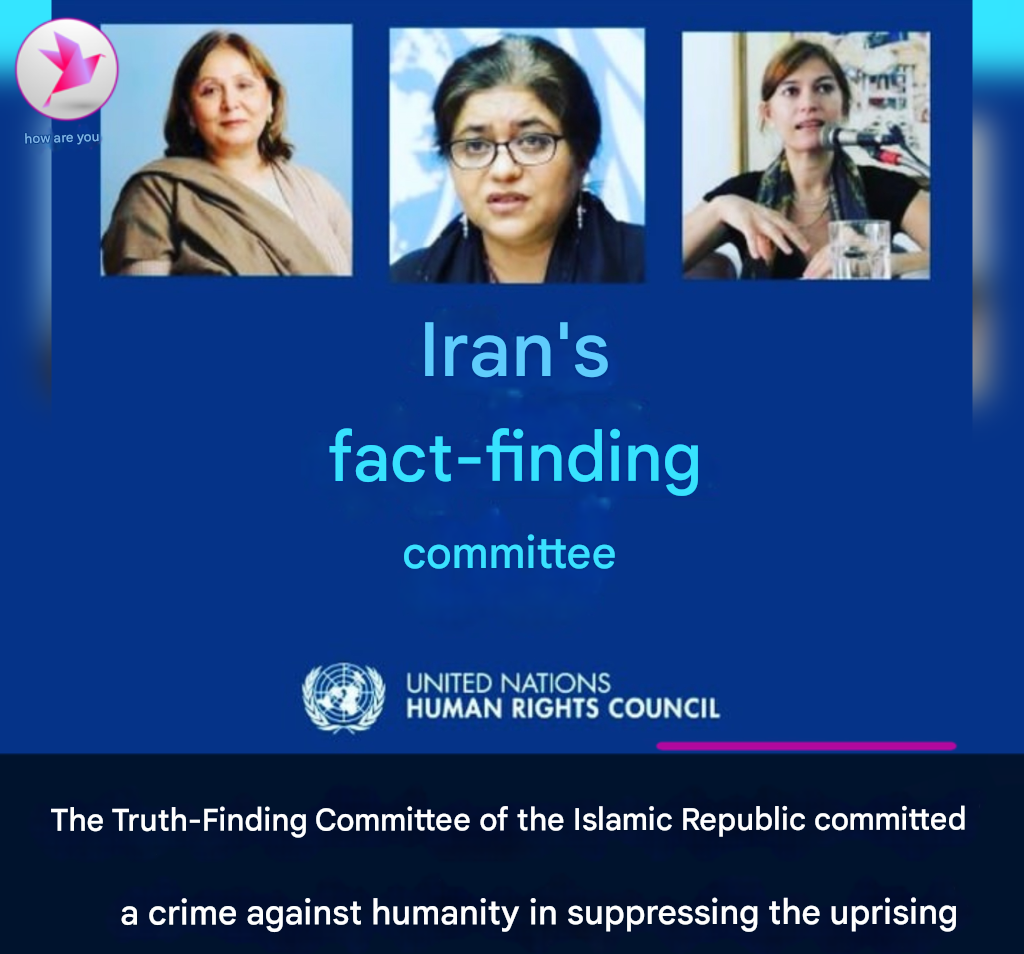
While the Iranian government remains defiant in the face of international criticism, the global community continues to press for greater accountability. Human rights organizations such as Amnesty International and Human Rights Watch have repeatedly condemned the Iranian regime for its widespread violations of international human rights law. These groups have called for immediate reforms to end the arbitrary detention of political prisoners, the use of torture, and the practice of executing individuals without due process.
International bodies, including the United Nations, have consistently urged Iran to comply with its international obligations under the International Covenant on Civil and Political Rights (ICCPR). However, these calls for reform largely ignored by the Iranian authorities, who continue to argue that these criticisms politically motivated and part of a foreign agenda to undermine the Islamic Republic.
Despite these efforts, the Iranian government has shown little willingness to change its practices, and the human rights situation in the country remains dire. The international community’s response largely diplomatic, but without concrete actions, it remains to be seen whether these efforts will lead to any meaningful change.
Conclusion: A Bleak Outlook for Human Rights in Iran
The human rights situation in Iran in 2024 remains bleak, with ongoing protests, the continued persecution of political prisoners, and an alarming rise in executions. While international human rights organizations and governments continue to raise concerns, the Iranian authorities have shown little interest in improving their human rights record. The repressive tactics employed by the government, including the use of violence against protestors, the imprisonment of dissidents, and the execution of political prisoners, all point to a regime unwilling to respect basic human rights.
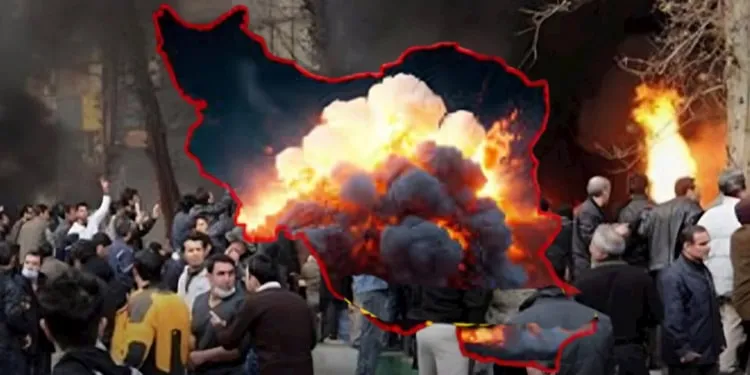
For the people of Iran, the struggle for basic freedoms and human dignity continues, but the path to meaningful change remains uncertain. The international community must continue to pressure Iran to end its human rights violations, but it is clear that the road to reform will be long and challenging.
In 2024, Iran’s human rights situation remains dire, marked by ongoing suppression of protests, the persecution of political prisoners, and an alarming rise in executions. Despite international condemnation, the Iranian government persists in its oppressive policies, using violence to quash dissent and imprisoning activists, journalists, and minority groups. Human rights organizations, such as Amnesty International and Human Rights Watch, continue to demand accountability, urging the government to halt torture, arbitrary detentions, and executions. However, these calls for change have yet to yield substantial change. The role of street protests remains crucial, as the Iranian people, especially the youth and women, persist in calling for fundamental change. These protests, often met with violent repression, are a powerful form of resistance that could ultimately play a significant role in achieving root change in Iran. The continued activism of both civil society and international bodies is essential for change.
The crucial role of the people, especially women and youth to obtain change
The role of the people, especially women and youth, in street protests in Iran has been pivotal in challenging the regime’s oppressive policies. In recent years, especially after the death of Mahsa Amini, women have led the charge, defying strict dress codes and demanding freedom and equality. Young people, frustrated by economic hardship and political repression, have also been at the forefront of protests. These protests have shown that the current regime is not reformable, as it continues to use force to suppress dissent rather than address the people’s demands. The determination and courage of ordinary Iranians, particularly women and youth, have made it clear that significant political change is necessary. Since the government has shown no intention of making meaningful reforms, the continued mobilization of the people in street protests is becoming increasingly vital for any chance of regime change or if pssible fundamental transformation in the country’s governance.
Follow Iran Human Rights society on social networks:
Telegram /Twitter /Instagram / YouTube / Facebook
Join Iran Human Rights Society on Twitter






Discussion about this post