
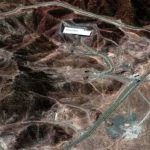
The Fordo facility, located deep within the mountains near Qom, was targeted with bunker-buster bombs. This site is considered a strategic component of the nuclear program under Iran’s ruling dictatorship.
Iran Human Rights Society, June 22, 2025 – The United States conducted a large-scale airstrike on Sunday morning, June 22, 2025, targeting three Iranian nuclear facilities in Fordo, Natanz, and Isfahan. According to U.S. officials, the operation, directly ordered by the U.S. President, was completed with full success, and all participating forces have left Iranian soil.
Official Announcement from the White House
U.S. President Donald Trump confirmed the attack in an official statement, thanking the U.S. armed forces and describing the military operation as “precise, calculated, and successful.” He stated that the primary goal was to “reduce Iran’s uranium enrichment capacity.”
Trump added, “We targeted critical infrastructure in Fordo, Natanz, and Isfahan to prevent future threats. I hope there will be no need for further strikes. Now is the time for peace.”
Operation Details: Use of Bombers and Cruise Missiles
According to U.S. military sources, the operation involved six B-2 stealth bombers, two GBU-57 bunker-buster bombs, and at least 30 Tomahawk cruise missiles launched from submarines.
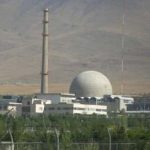
The Fordo facility, embedded in the mountains near Qom, was struck with bunker-buster bombs. This site is a key strategic asset in Iran’s nuclear program. The Natanz and Isfahan facilities were also hit with cruise missiles. NBC News confirmed that missiles launched from U.S. submarines in the Persian Gulf accurately struck their designated targets.
Public and Media Reactions
News of the Fordo attack, which broke in the early hours, sparked varied reactions on social media. Some users expressed regret over the destruction of Iran’s nuclear investments, citing years of economic pressure from sanctions. Others voiced concerns about escalating tensions in the region.
As of this report, Iranian authorities have not publicly commented on the attack or the extent of damage to the Fordo site. Unverified reports mention sounds of explosions in central Iran, which cannot be independently confirmed.
Concerns Over Potential Retaliation
President Trump warned that any retaliatory action from Iran would be met with a “far harsher response” from the U.S. He added, “If they choose to retaliate, the cost will be much heavier than what they experienced tonight.”
International Reactions: Calls for Restraint
Globally, various countries and organizations have responded to the developments. Some governments supported the defensive rights of U.S. allies while urging calm and de-escalation. Human rights organizations warned of potential humanitarian consequences from the attack.
Analytical Assessment: A Turning Point in Tensions
The strike on Fordo could mark a new phase in regional conflict. Analysts believe the attack aims to maximize pressure on Iran’s nuclear activities and may influence future diplomatic efforts. Some observers interpret it as a “direct message” to other regional and international actors.
Uncertain Future: Diplomacy or Escalation?
Despite Washington’s announcement of the operation’s conclusion, the future remains unclear. The U.S. emphasizes halting Iran’s enrichment activities, while Tehran’s response could steer developments in various directions.
As of now, international bodies like the IAEA and the United Nations have not reacted to the U.S. airstrike on Iran’s nuclear facilities. Experts suggest the coming days will significantly shape the region’s political and security landscape.
Follow Iran Human Rights Society on social networks:
Telegram /Twitter /Instagram / YouTube / Facebook
Join Iran Human Rights Society on Twitter


Discussion about this post