
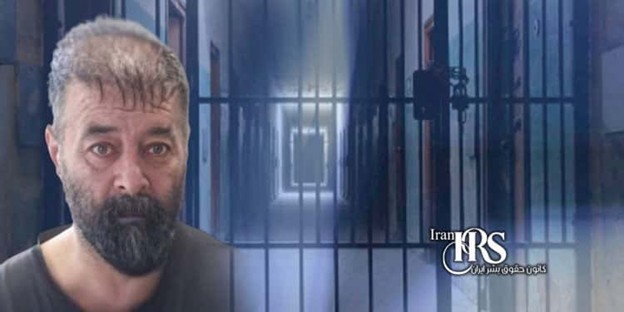
Karem Esmailzadeh, Azerbaijani activist, endured severe torture in Tabriz detention. Learn about his ordeal, human rights violations, and calls for action.
Iran Human Rights Society, July 12, 2025- Karem Esmailzadeh, a world powerlifting champion and Azerbaijani activist, suffered brutal torture during 50 days in Tabriz Intelligence Agency’s detention center. Released on bail from Tabriz Central Prison on July 12, 2025, he bears visible scars of physical and psychological abuse. His story exposes systemic human rights violations in Iran, sparking global outrage. This article details his harrowing experience, the reasons behind his arrest, and urgent calls for international intervention to address torture in Iranian prisons.
Severe Torture in Solitary Confinement
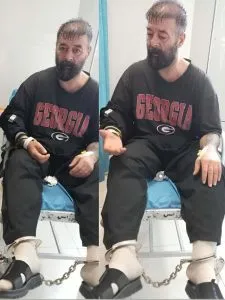
Esmailzadeh endured approximately 50 days in solitary confinement, facing extreme physical and psychological torture. Authorities bound his hands and feet, pressing his face to the ground. They subjected him to relentless sleep deprivation, tight handcuffs, and heavy shackles. Furthermore, interrogators threatened sexual assault and harm to his family, denied him medical care, and inflicted continuous beatings. Consequently, he lost over 40 kilograms, suffering from body tremors, extreme weakness, and severe psychological trauma. His condition alarms supporters and human rights groups alike.
Activism Leading to Unjust Arrest
Esmailzadeh, a vocal advocate for civil, environmental, and cultural rights, has long criticized Iran’s government. He protested the drying of Lake Urmia, pollution of the Aras River, and exploitation of Azerbaijani resources like gold and copper mines. Additionally, he opposed systemic discrimination in Azerbaijani regions. Security forces arrested him in Tabriz without a judicial warrant, subjecting him to nearly two months of violent interrogations. The judicial process lacked fairness, denying him legal representation and transparency about his whereabouts.
Forced Confessions Through Brutal Methods
The primary aim of Esmailzadeh’s torture was to extract forced confessions for potential broadcast on state-linked media. Interrogators pressured him to admit to fabricated security-related activities or political affiliations, despite his lawful advocacy. They employed psychological torture, including threats to eliminate his family, prolonged beatings, and confinement in extreme conditions like total darkness or blinding light. These methods left deep mental and physical scars, highlighting the cruelty of his detention.
Outrage and Human Rights Advocacy
New images of Esmailzadeh’s frail condition have fueled outrage on social media and independent media. Organizations like the Campaign for the Defense of Azerbaijani Political Prisoners and the Kurdistan Human Rights Network demand an international investigation into Iran’s prison torture. Activists label these acts as “systematic torture,” urging bodies like the United Nations and Amnesty International to intervene. Moreover, posts on X emphasize his critical health, including severe gastric bleeding, and call for global solidarity.
Urgent Need for Global Intervention
Esmailzadeh’s case reflects a broader pattern of unaddressed human rights abuses in Iran. The judiciary’s silence effectively endorses such violations. Therefore, immediate action from the United Nations, the UN Special Rapporteur on Human Rights in Iran, Human Rights Watch, and other entities is crucial. These groups must document atrocities, pressure Iran to halt inhumane practices, and ensure accountability. Without intervention, such abuses will persist unchecked.
Clear Violations of International Human Rights Standards
Esmailzadeh’s ordeal violates several international human rights principles, including:
- Article 5, UDHR: No one shall face torture or cruel, inhuman treatment. His sleep deprivation, beatings, and family threats breach this right.
- Article 9, ICCPR: Arbitrary arrest and detention are prohibited. His warrantless arrest and lack of legal access violate this standard.
- Article 14, ICCPR: Everyone deserves a fair trial. The absence of a lawyer and coerced confessions defy this principle.
- Article 12, UDHR: No one shall face arbitrary interference with their family or privacy. Threats against his family constitute psychological torture.
These violations demand urgent attention to protect activists like Esmailzadeh.
Public Sentiment and Calls for Justice
Posts on X reveal deep concern over Esmailzadeh’s drastic weight loss and frail state upon release. Supporters decry the torture as an attempt to silence his advocacy for environmental and cultural rights. His lawyer reports severe health issues, including gastric bleeding worsened by torture. Activists worldwide rally for solidarity, emphasizing the need for ongoing documentation and international pressure to combat such repression.
A Symbol of Resistance Against Oppression
Karem Esmailzadeh’s story represents countless suppressed voices in Iran fighting for dignity, justice, and equality. His temporary release does not erase the trauma of his detention. Instead, it amplifies the need for persistent advocacy, documentation, and global action. Activists like Esmailzadeh belong in a free society, not in solitary confinement enduring torture. By amplifying his story, we can push for accountability and an end to these flagrant human rights violations.
Follow Iran Human Rights Society on social networks:
Telegram /Twitter /Instagram / YouTube / Facebook
Join Iran Human Rights Society on Twitter








Discussion about this post