
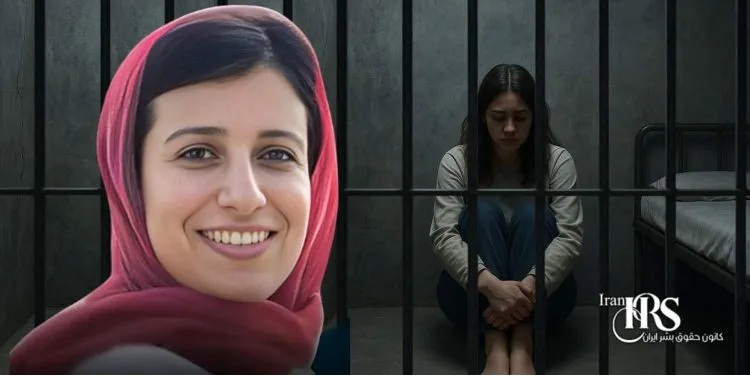
Hoda Mehrganfar, political prisoner in Adelabad Prison, Shiraz, endures indefinite detention, denied medical care for a severe cyst, facing white torture.
Iran Human Rights Society, July 12, 2025 –Hoda Mehrganfar, a 38-year-old electronics engineer, suffers indefinite detention in Adelabad Prison, Shiraz, alongside her father, Mohammad Ali Mehrganfar. Arrested on October 23, 2024, in Zarghan, Fars Province, they endure severe human rights violations, including medical neglect and legal limbo. Their ordeal highlights Iran’s systematic repression of political prisoners, demanding urgent international action. This article examines Hoda’s critical health condition, the prison’s harsh realities, and the broader pattern of abuses.
Arrest and Harsh Transfer to Adelabad Prison
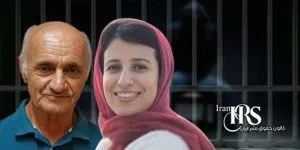
Security forces arrested Hoda and her father on October 23, 2024, during a raid in Zarghan. They faced 58 days of grueling interrogation in an IRGC Intelligence detention center before their transfer to Adelabad Prison. Authorities subjected them to intimidation and denied legal counsel, leaving them in uncertainty. This prolonged detention without charges showcases Iran’s strategy to silence dissent through fear and isolation.
Medical Neglect: A Form of White Torture
Hoda battles a severe abdominal cyst requiring urgent ultrasound and specialized care. Prison officials, influenced by the Ministry of Intelligence, block her access to external medical facilities. Even basic healthcare within the prison remains restricted. Before her arrest, Hoda was recovering from surgery, but unsanitary conditions have triggered fungal and skin infections, worsening her health. This deliberate denial of treatment inflicts physical pain and psychological distress, a tactic known as white torture.
Legal Limbo Under a Notorious Judge
Hoda’s case sits in Branch 1 of the Shiraz Revolutionary Court, overseen by Judge Seyed Mahmoud Sadati, yet no trial date exists after months of delay. Sadati’s record of harsh rulings, including the execution of wrestler Navid Afkari, sparks fears of biased proceedings. The absence of a trial violates Hoda’s right to fair justice, amplifying her mental strain. Moreover, the lack of transparency raises concerns about coerced confessions and unfounded charges.
Shared Suffering with Her Father

Mohammad Ali Mehrganfar, Hoda’s 66-year-old father and a former political prisoner from the 1980s, endures similar abuses. He suffers from heart disease and vision issues but receives no specialized care. Authorities accuse both of ties to the People’s Mojahedin Organization of Iran without evidence. Their family reports intense security pressures and coerced confessions, highlighting a pattern of legal deprivation targeting political prisoners.
Judge Sadati’s Troubling History
Judge Seyed Mahmoud Sadati’s oversight of Hoda’s case alarms her family and activists. His past rulings, including death sentences for protesters like Navid Afkari and his brothers, drew global criticism. This history suggests Hoda and her father face the risk of severe penalties, intensifying calls for scrutiny of Iran’s judicial practices.
Clear Violations of Fundamental Rights
Hoda’s detention reveals multiple human rights abuses, including:
- Healthcare Denial: Blocking treatment for her cyst violates Article 25 of the Universal Declaration of Human Rights.
- No Legal Counsel: Denying a lawyer breaches Article 14 of the ICCPR.
- Unfair Trial: Prolonged detention without a trial date defies Article 35 of Iran’s Constitution.
- Torture: Medical neglect and psychological pressures constitute white torture, violating Article 5 of the UDHR.
These violations reflect a deliberate effort to break Hoda’s spirit and silence her dissent.
Adelabad Prison’s Harsh Realities
Adelabad Prison’s overcrowding forces inmates into cramped, unsanitary spaces without proper heating. Political prisoners, including Hoda, Hakimeh Honarmand, and Maryam Deris, face heightened abuses. The prison’s conditions exacerbate health issues, making medical neglect even more dangerous.
Follow Iran Human Rights Society on social networks:
Telegram /Twitter /Instagram / YouTube / Facebook
Join Iran Human Rights Society on Twitter






Discussion about this post