

Violent raid on Qezel Hesar Prison targets Saeid Masouri, Iran’s longest-serving political prisoner. Urgent action needed to stop human rights abuses.
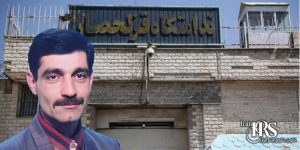
Iran Human Rights Society, Wednesday, July 16, 2025 – Security forces stormed Qezel Hesar Prison in Karaj, Iran, on July 16, 2025, targeting Saeid Masouri, one of the country’s longest-serving political prisoners. The violent raid on Unit 4, the political prisoners’ ward, aimed to forcibly transfer Masouri to an unknown location without a judicial warrant. Fellow inmates resisted, clashing with guards to prevent the abduction. The incident created a tense security atmosphere, raising fears of further attacks and potential executions. This event highlights ongoing human rights violations in Qezel Hesar Prison, notorious for its brutal conditions and systematic abuses.
Intensified Crackdowns on Political Prisoners
The raid reflects a broader wave of repression in Iran’s prison system. Authorities have escalated crackdowns, targeting political prisoners with arrests, executions, and extrajudicial summons. They often cite “wartime conditions” to justify these actions. As a result, dissenters face increased intimidation, and their families report heightened harassment. Qezel Hesar, alongside other facilities, serves as a hub for these repressive policies, housing thousands in inhumane conditions.

Furthermore, the transfer of prisoners like Behrouz Ehsani and Mehdi Hassani to Qezel Hesar signals an alarming trend. Both face imminent execution after their retrial requests were rejected for the fourth time. Similarly, Abolhassan Montazer, another death-row prisoner, remains in uncertainty, with no clarity on his fate. These cases show the regime’s relentless efforts to silence opposition through fear and violence.
Saeid Masouri: A Symbol of Resistance
Saeid Masouri, born in 1965 in Khorramabad, has endured 25 years of imprisonment without a single day of furlough. A former medical student in Germany and Norway, he was arrested in Dezful in January 2001 on charges of “collaborating with the Mujahedin-e Khalq.” After 14 months of interrogation in solitary confinement, authorities initially sentenced him to death. Later, they reduced his sentence to life imprisonment. Over the years, Masouri has staged hunger strikes to protest inhumane conditions, discrimination, and torture. He faces ongoing denial of medical care, phone calls, education, and furlough.
In August 2023, officials transferred Masouri to Evin Prison. However, one month later, special forces violently returned him to Qezel Hesar after an assault. Qezel Hesar remains one of Iran’s most overcrowded and brutal prisons, with deplorable sanitary and security conditions. Masouri, held in Unit 4, endures constant threats, with his life now in greater danger than ever.
Direct Threats to Masouri’s Life

Over the past month, Masouri faced direct death threats from Ministry of Intelligence agents. They summoned him to the ward director’s office twice, issuing explicit warnings. Simultaneously, his family received threatening phone calls and faced security pressures. These actions raise fears of a potential forced transfer or even “enforced disappearance.” The recent raid on Unit 4 intensifies these concerns, suggesting an organized plan to suppress Masouri and other vocal prisoners.
Heightened Risk for Death-Row Prisoners
Besides Masouri, three other political prisoners in Unit 4 face imminent execution. Behrouz Ehsani and Mehdi Hassani, convicted on vague charges, have exhausted their retrial options. Their death sentences could be carried out at any moment. Abolhassan Montazer, also sentenced to death, lingers in uncertainty, with no updates on his case. Human rights activists warn that the regime may accelerate these executions alongside efforts to abduct Masouri, further escalating repression.
Broader Wave of Repression in Iran
The events at Qezel Hesar reflect a nationwide surge in repression. Authorities have arrested numerous political, civil, and social activists in recent weeks. Death sentences for protesters and political prisoners have risen, and families face growing harassment. Judicial and security officials aim to crush dissent by fostering fear. Prisons like Qezel Hesar have become centers for implementing these harsh policies, with overcrowding and inhumane conditions exacerbating the crisis.
Human Rights Activists Sound the Alarm
Activists warn that any harm to Saeid Masouri would amount to an extrajudicial killing, with responsibility falling on Iran’s judicial and security authorities. They urge the international community to act swiftly to protect Masouri and other prisoners. International organizations have repeatedly called for Masouri’s release, citing his detention as a violation of human rights standards. They emphasize that silence in the face of these abuses enables further violations.
Urgent Danger to Saeid Masouri
The attempt to transfer Masouri to an unknown location signals a grave threat to his life. The raid, combined with death threats and a heavy security presence, suggests a deliberate plan to silence defiant prisoners. Masouri’s 25-year ordeal, marked by torture and denial of basic rights, underscores the regime’s brutality. Civil activists and prisoners’ families call for urgent support from human rights organizations and independent media to protect Masouri and others at risk.
Systematic Human Rights Violations in Qezel Hesar
The raid, threats, and attempted transfer of Masouri highlight ongoing human rights abuses in Qezel Hesar. These violations include:
- Right to Life and Security: Direct threats to Masouri and the risk of executions violate fundamental protections.
- Prohibition of Torture: Threats, inhumane conditions, and psychological intimidation constitute cruel treatment.
- Right to a Fair Trial: The lack of judicial warrants and repeated denials of retrial requests undermine justice.
- Freedom of Expression: Masouri’s detention for his political beliefs suppresses free speech.
- Humane Prison Conditions: Denial of medical care, furlough, and basic rights contradicts global detention standards.
These abuses violate Iran’s domestic laws and international human rights agreements, demanding an urgent global response.
Follow Iran Human Rights Society on social networks:
Telegram /Twitter /Instagram / YouTube / Facebook
Join Iran Human Rights Society on Twitter







Discussion about this post