
Allahkaram Azizi crimes in Qezel Hesar, Rajai Shahr, Darab, and Kazerun prisons expose torture, corruption, and human rights abuses in Iran. Learn more.
Iran Human Rights Society, Friday, July 18, 2025 – Allahkaram Azizi crimes have transformed Qezel Hesar, Rajai Shahr, Darab, and Kazerun prisons into centers of torture and corruption in Iran. As the head of Qezel Hesar and former head of Rajai Shahr, Azizi oversees inhumane conditions, violent suppression, and organized corruption. His actions violate international human rights standards, sparking global outrage. This article details his brutal management, prisoner testimonies, and international responses to these grave violations, shedding light on a deepening human rights crisis.
Allahkaram Azizi’s Role in Prison Atrocities
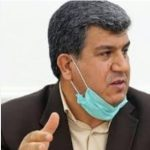
Allahkaram Azizi stands as a key figure in Iran’s notorious prison system. He currently manages Qezel Hesar Prison and previously led Rajai Shahr, both in Karaj. Additionally, his tenure at Darab and Kazerun prisons mirrors this pattern of abuse. Prisoner testimonies and human rights reports reveal his direct involvement in torture and corruption. For instance, Azizi’s presence at executions instills fear among inmates, reinforcing his brutal control.
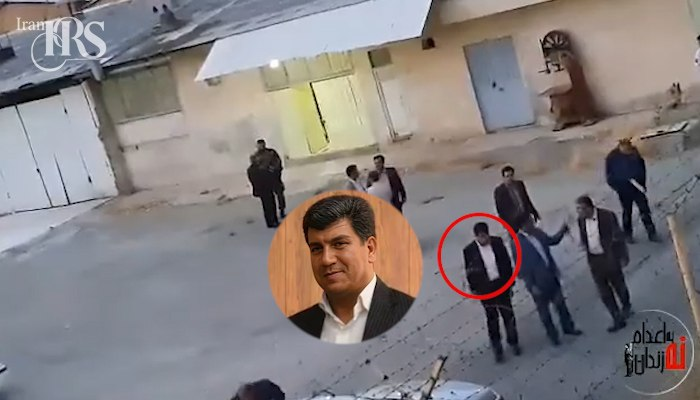
Prisoners face overcrowded cells, lack of clean water, and limited medical care. A secretly recorded video from Rajai Shahr shows Azizi overseeing the execution of five prisoners, a chilling display of his authority. Consequently, his management prioritizes terror over humanity, earning him international sanctions. These actions highlight the systemic cruelty in Iran’s prisons, particularly for political prisoners detained for their beliefs.
Organized Corruption Under Allahkaram Azizi
Allahkaram Azizi crimes extend to systemic corruption within the prison system. He allegedly orchestrates a vast drug trafficking network in Qezel Hesar and Rajai Shahr. Prisoners report that authorities, under Azizi’s command, smuggle industrial drugs like methadone and crystal meth into the facilities. These drugs are sold at exorbitant prices, generating substantial profits for officials.
Moreover, Azizi is accused of selling mobile phones at inflated rates and seizing charitable donations intended for inmates. A former prisoner stated, “Officials insulted us, saying we only need drugs, not food or water.” This corrupt system exploits vulnerable prisoners, weakening their resistance to maintain control. Such practices underscore the economic exploitation embedded in Azizi’s management, intensifying the human rights crisis in these prisons.
Inhumane Conditions in Qezel Hesar and Rajai Shahr
Qezel Hesar Prison, housing over 10,000 inmates, exemplifies Azizi’s brutal oversight. Extreme overcrowding forces prisoners into cells designed for far fewer people. For example, rooms meant for 9 to 12 inmates often hold 15 to 20. Daily water cuts lasting 7 to 8 hours and poor ventilation create unlivable conditions. In summer, the absence of cooling systems causes heatstroke and respiratory issues.
Rajai Shahr, under Azizi’s former leadership, reflects similar horrors. Special guard forces conduct nightly raids, terrorizing prisoners with batons. In one tragic case, Mohammad Ameri died from baton strikes, sparking protests in Ward 6. Prisoners also endure restricted family contact, deepening their isolation. These conditions violate Article 25 of the Universal Declaration of Human Rights, which ensures adequate living standards.
Torture and Suppression of Political Prisoners
Allahkaram Azizi crimes include targeted torture of political prisoners, often detained for their beliefs. Special guard forces, acting on his orders, carry out violent raids using batons and tear gas. Protesters face swift punishment, including solitary confinement and denial of medical care. These actions aim to crush dissent and silence opposition.
On July 16, 2025, Azizi ordered a raid on Ward 4 of Qezel Hesar to forcibly transfer Saeed Masouri, a long-serving political prisoner. Fellow inmates resisted, preventing the transfer, but Azizi cut off all communication to suppress the incident. This event highlights his relentless efforts to silence dissent, even at the cost of human lives, further exposing the brutality of his regime.

Executions and Azizi’s Direct Involvement
Azizi’s direct involvement in prisoner executions marks a chilling aspect of his tenure. He not only approves death sentences but also attends executions to intimidate inmates. On August 7, 2024, Qezel Hesar executed 26 prisoners, with Azizi overseeing the process. Human rights groups condemn this practice, noting it fosters a climate of fear to discourage resistance.
Furthermore, Azizi’s role in executions violates Article 5 of the Universal Declaration of Human Rights, which prohibits cruel and inhuman treatment. His actions align with Iran’s broader use of capital punishment to suppress dissent. As a result, global human rights organizations have sharply criticized Azizi, calling for accountability and an end to these brutal practices.
International Sanctions Target Azizi’s Violations
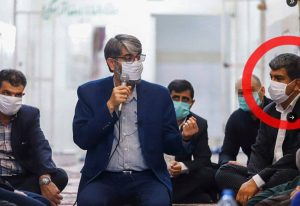
The international community has responded decisively to Allahkaram Azizi crimes. In 2017, the U.S. Treasury Department sanctioned Rajai Shahr Prison for torturing political prisoners. In April 2021, the European Union targeted both Qezel Hesar and Rajai Shahr for their role in violently suppressing protesters during the 2019 uprising, signaling unified condemnation.
In December 2024, the U.S. State Department sanctioned Qezel Hesar, citing “gross human rights abuses” under Azizi’s leadership. U.S. Secretary of State Antony Blinken condemned the severe beatings of hunger-striking prisoners, calling them unacceptable. Australia also imposed sanctions on Azizi, freezing his assets and restricting his travel. These measures reflect global outrage at the ongoing human rights crisis in Iran’s prisons.
Darab and Kazerun Prisons: A Pattern of Abuse
Allahkaram Azizi’s crimes are not confined to Qezel Hesar and Rajai Shahr. His management of Darab and Kazerun prisons reveals a consistent pattern of abuse. Former prisoners report overcrowding, lack of medical care, and violent suppression in these facilities. Azizi’s approach, marked by corruption and brutality, creates a uniform environment of suffering across all prisons under his control.
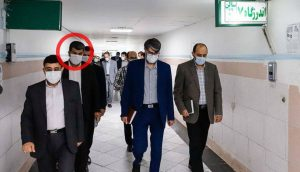
In Kazerun, prisoners faced frequent water shortages and inadequate food supplies. In Darab, reports of physical torture and solitary confinement echo the conditions in Karaj’s prisons. These consistent violations highlight Azizi’s systemic approach to prisoner mistreatment, regardless of the facility, and underscore the need for comprehensive reform.
Human Rights Violations Under International Law
Azizi’s actions violate multiple international human rights standards. Key violations include:
- Article 5 (Universal Declaration of Human Rights): Torture and cruel treatment through beatings and solitary confinement.
- Article 9: Arbitrary detention of political prisoners without fair trials.
- Article 10: Denial of fair and public trials via fabricated charges.
- Article 12: Invasive searches and restricted family contact.
- Article 25: Inadequate living conditions, including water and food shortages.
- Article 31 (Convention Against Torture): Failure to prevent torture and inhumane treatment.
These violations demand urgent action to hold Azizi accountable and improve prison conditions, aligning with global human rights obligations.
Follow Iran Human Rights Society on social networks:
Telegram /Twitter /Instagram / YouTube / Facebook
Join Iran Human Rights Society on Twitter






Discussion about this post