
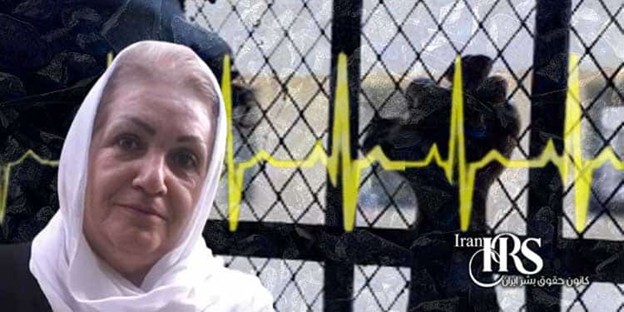
Raheleh Rahemipour, 73, faces life-threatening conditions in Qarchak Prison. Denied medical care for brain tumors and heart disease, her detention violates human rights.
Iran Human Rights Society, Friday, August 7, 2025 – Raheleh Rahemipour, a 73-year-old political prisoner, endures dire conditions in Qarchak Prison, Varamin, despite battling severe illnesses. Her fight for justice, stemming from the 1980s loss of her brother and newborn, has led to her imprisonment under inhumane circumstances. Authorities continue to deny her critical medical care, exacerbating her suffering. This article explores her plight, the violations of her rights, and the urgent need for international action.
Who Is Raheleh Rahemipour?
Raheleh Rahemipour, a justice-seeking mother, has spent decades demanding answers about her brother Hossein, executed in 1983, and her newborn, who vanished after birth in Evin Prison. Her activism led to her arrest in November 2023. Initially detained in Evin, she faced transfer to Qarchak Prison after Evin’s bombing in June 2025. Qarchak, notorious for its inhumane conditions, has worsened her fragile health, yet authorities refuse her medical leave.
Critical Health Issues Facing Raheleh Rahemipour
Raheleh suffers from a brain tumor, thalassemia minor, high blood pressure, diabetes, heart disease, joint pain, cataracts, and severe heart rate fluctuations. In 2019, tests revealed a brain tumor causing severe headaches. By August 2024, follow-up MRIs showed the tumor’s growth and a new 4-mm tumor, leading to skull swelling and neurological issues. Additionally, she has undergone three angioplasties for heart disease. Qarchak’s lack of medical facilities leaves her without proper care, intensifying her pain and risk.
Qarchak Prison: A Place of Neglect
Qarchak Prison, a former poultry farm, houses female political prisoners alongside violent offenders. Overcrowding, poor sanitation, and limited medical access define the facility. Raheleh lacks even basic tools like a flashlight for examinations. Reports describe filthy wards, rodent infestations, and inadequate toilets, making survival challenging for an elderly woman with chronic illnesses. These conditions violate international standards, yet authorities ignore calls for reform.
Denial of Medical Care as Torture
Human rights activists label Raheleh’s situation as “white torture.” Authorities deliberately withhold treatment, worsening her brain tumor, heart disease, and other ailments. Her family’s pleas for conditional release, supported by medical reports, face rejection. The Legal Medicine Organization confirms she cannot endure punishment, but judicial officials claim release decisions lie outside their control. This neglect endangers her life and breaches ethical principles.
Raheleh’s Fight for Justice
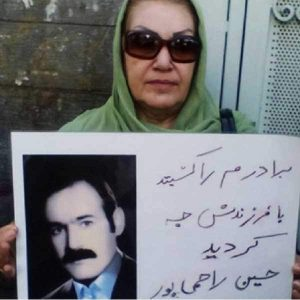
Raheleh’s activism began after her brother’s execution and her newborn’s disappearance in Evin Prison. For years, she sought truth through peaceful means, attending civil rights gatherings and appealing to human rights groups. Her persistence drew harsh repercussions. In 2020, she received a six-year sentence for “assembly and collusion” and “propaganda against the system.” A 2025 retrial reduced it to four years and two months, but her health demands immediate release.
Human Rights Violations in Raheleh’s Case
Raheleh’s detention violates several international human rights standards:
- Right to Life and Security: Her life-threatening illnesses require urgent care, yet imprisonment persists.
- Freedom from Torture: Denying medical treatment constitutes cruel treatment.
- Right to Health Services: Qarchak’s lack of care violates her right to medical support.
- Protection from Arbitrary Detention: Her continued detention, despite medical evidence, defies global covenants.
These violations highlight systemic issues in Iran’s prison system, particularly for political prisoners like Raheleh Rahemipour.
Raheleh Rahemipour’s ordeal symbolizes the struggles of countless women fighting for justice in Iran. Her courage, despite severe illness and harsh imprisonment, underscores the resilience of political prisoners. However, keeping a 73-year-old woman in Qarchak’s brutal conditions lacks any legal or moral basis. Her story demands global attention to expose Iran’s human rights abuses and secure her release.
Follow Iran Human Rights Society on social networks:
Telegram /Twitter /Instagram / YouTube / Facebook
Join Iran Human Rights Society on Twitter




Discussion about this post