
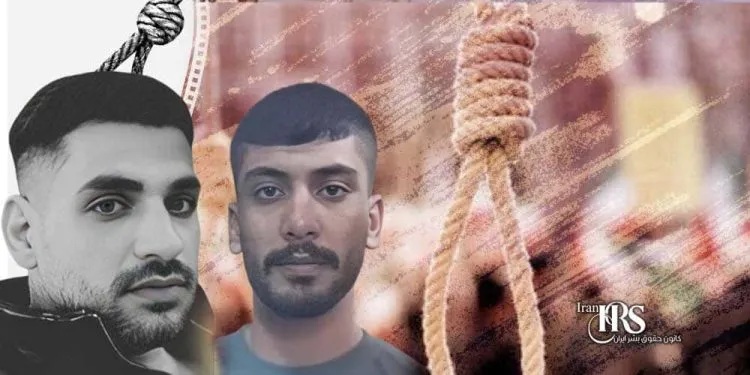
Iran executes 131 prisoners in August 2025, averaging 5 daily.
Iran Human Rights Society, Sunday, August 16, 2025 – The death penalty in Iran remains a pressing issue, with 131 executions reported in Mordad Persian calendar month alone. This alarming rate, averaging five executions daily, raises serious concerns about human rights violations. On August 16, 2025, six prisoners faced execution in Shiraz, Ahvaz, Rasht, and Borazjan prisons. These cases highlight Iran’s frequent use of capital punishment, often for charges like murder, drug offenses, or vague security crimes. This article explores these executions, their legal basis, and their conflict with global human rights standards, such as the Universal Declaration of Human Rights.
Recent Executions in Iran: A Growing Concern
On August 16, 2025, Iran executed six prisoners across four prisons, contributing to a staggering total of 131 executions this Persian month. This translates to nearly five executions daily, or one every five hours. These numbers reflect a troubling trend in Iran’s justice system, where the death penalty is applied broadly. The lack of transparency and fair trials in many cases intensifies global criticism.
Executions in Adelabad Prison, Shiraz

In Shiraz’s Adelabad Prison, authorities executed three prisoners recently. On August 16, 2025, Ahmadreza Younesi Galehzan from Kavar and Mehdi Najafi, a 23-year-old from Marvdasht, faced execution for murder charges. Earlier, on August 12, 2025, Eskandar Bazmandegan was executed for security offenses and “corruption on earth.” These cases highlight the diverse charges leading to capital punishment in Iran, often without clear evidence or fair legal processes.
Execution in Sepidar Prison, Ahvaz
On August 16, 2025, Mohammad Baqlani faced execution in Sepidar Prison, Ahvaz. Arrested nine years ago for murder, Baqlani’s case underscores the lengthy detention periods some prisoners endure before execution. Such delays raise questions about the fairness of Iran’s judicial system, particularly when defendants lack adequate legal representation.
Execution in Lakan Prison, Rasht
In Rasht’s Lakan Prison, Jafar Sadeghi, a 35-year-old, was executed on August 15, 2025. Arrested four years prior for murder, his case further illustrates Iran’s reliance on the death penalty for violent crimes. However, the absence of independent courts often undermines the legitimacy of these sentences.
Execution in Borazjan Prison
On August 12, 2025, Borazjan Prison saw the execution of an unnamed prisoner for drug offenses. Authorities have yet to release the prisoner’s identity, reflecting a lack of transparency. Drug-related executions remain common in Iran, despite international calls to limit capital punishment to the most serious crimes.
Death Penalty Violates Human Rights Standards
The death penalty in Iran conflicts with Article 3 of the Universal Declaration of Human Rights, which guarantees the right to life. This fundamental right faces violation when executions occur, especially given their irreversibility. Judicial errors, once carried out, cannot be undone. Furthermore, some execution methods constitute torture, breaching human rights principles. Iran’s practices often fail to meet fair trial standards, violating Article 6 of the International Covenant on Civil and Political Rights, which Iran has signed.
- Hamzeh Darvish Hunger Strike: A Cry Against Religious Discrimination
- Critical Health Crisis for Aman Jalali-Nejad in Sheyban Prison
Follow Iran Human Rights Society on social networks:
Telegram /Twitter /Instagram / YouTube / Facebook
Join Iran Human Rights Society on Twitter






Discussion about this post