
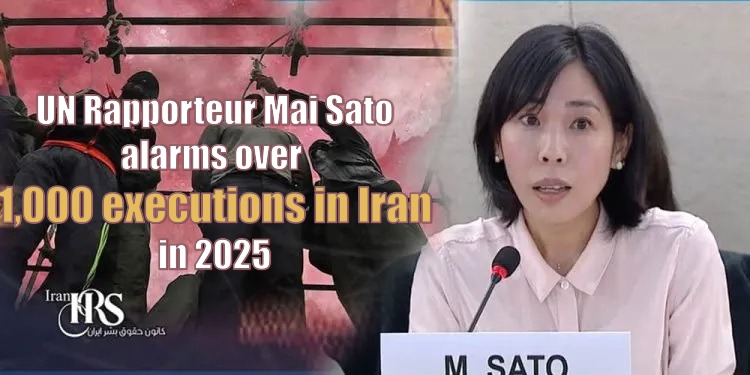
UN Rapporteur Mai Sato alarms over 1,000 executions in Iran in 2025, mainly for drugs, violating right to life.
Iran Human Rights Society, Tuesday, 30 September 2025 – Executions in Iran have skyrocketed in 2025, sparking global outrage. Mai Sato, the UN Special Rapporteur on human rights in Iran, highlights this surge as a massive threat to the right to life. Her press release details over 1,000 hangings in just nine months. This alarming trend demands urgent action.
Mai Sato warns that executions in Iran now operate on an industrial scale. In less than nine months of 2025, authorities hanged more than 1,000 people. Recent weeks saw over nine executions daily. She notes the lack of transparency hides even higher numbers. This escalation violates core human rights. Furthermore, it signals organized repression. Protests like “No to Execution Tuesdays” echo these concerns across cities.
Drug Offenses Drive Majority of Executions in Iran
Drug crimes fuel most executions in Iran this year. At least 499 people faced death for these charges in early 2025. This marks a sharp rise from 2018-2020, when annual figures stayed at 24 to 30. Mai Sato points out that 2017 reforms aimed to curb such penalties. However, authorities reversed those gains. Consequently, vulnerable groups suffer most.
Breach International Law
International law limits the death penalty to the gravest crimes, like intentional murder. Yet, executions in Iran for drug offenses clash with this standard. Mai Sato stresses that these acts hit marginalized communities hard. Ethnic minorities and the poor lose assets through confiscations. Therefore, this policy deepens inequality. Additionally, it ignores global treaties Iran signed.
Foreign Nationals Caught in Iran’s Execution Wave
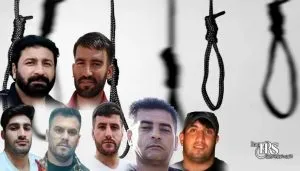
Afghan nationals bear a heavy toll in executions in Iran. At least 58 faced hanging this year. Mai Sato highlights this as a cross-border issue. She urges swift international intervention. Moreover, it exposes flaws in regional justice systems. Families endure lasting trauma from these losses.
Espionage Charges Fuel Security Executions in Iran
Iran’s leaders ramped up executions in Iran for espionage. They killed 11 people on these charges in 2025. Nine occurred after June 13 military clashes. Mai Sato reveals a new push to broaden “espionage” definitions. Now, it covers media work, foreign contacts, and information sharing. This chills free speech. For instance, journalists and activists face heightened risks.
Revolutionary Courts conduct most trials in secret for executions in Iran. Few death sentences reach public view. Mai Sato argues this secrecy shatters fair trial rights. Defendants lack lawyers and transparency. As a result, torture allegations mount. The hidden scale likely exceeds reports. Human rights groups demand openness.
Mai Sato Calls for Immediate Halt to Executions in Iran
Mai Sato demands leaders suspend all executions in Iran right away. She pushes for public data on sentences and humane treatment. Authorities must follow fair trial standards. Ultimately, Iran should abolish the death penalty fully. This step would align with global norms. Protesters amplify her voice weekly.
International Community Must Act on Iran’s Executions
Mai Sato urges the world to confront executions in Iran head-on. Silence enables systematic rights abuses. Governments need strong diplomatic pressure. For example, targeted sanctions could force change. Collective action saves lives.
See also the below articles:
- Abolhassan Montazer Faces Death: Political Prisoner Denied Urgent Medical Treatment in Iran
- Mohammad Ali Akbari Monfared: Victim of Deliberate Neglect in Fashafuyeh Prison
Follow Iran Human Rights Society on social networks:
Telegram /Twitter /Instagram / YouTube / Facebook
Join Iran Human Rights Society on Twitter






Discussion about this post