
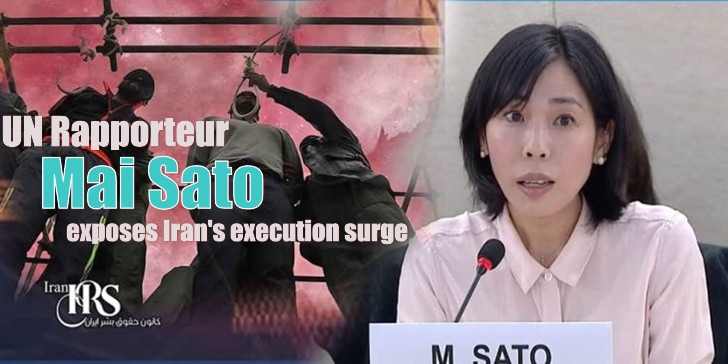
UN Rapporteur Mai Sato exposes Iran’s execution surge: over 1,200 in 2025, only 8% reported. She slams torture, unfair trials as tools of fear.
Iran Human Rights Society, Friday, November 7, 2025 – Mai Sato’s UN report reveals Iran’s shocking executions and repression tactics. As the UN Special Rapporteur on human rights in Iran, she warns of unprecedented death sentences and political prisoner abuses. In her October 30, 2025, address to the Third Committee of the UN General Assembly, Sato declares this a deliberate policy of fear and revenge. Families and communities suffer devastation. Furthermore, she notes that authorities report just 8% of executions, hiding the rest in secrecy. Torture persists, fair trials vanish, and forced confessions air on state media. “Execution in Iran serves governmental control and fear, not justice,” Sato states. This report spotlights systematic violations. Therefore, international action grows urgent. (Focus keyword: Iran’s executions and repression – appears early.)
Section One: Political Prisoners Face Arrest, Torture, and Injustice in Iran

Mai Sato spotlights ideological and political prisoners in her annual UN report. She stresses that human rights violations here follow a systematic and widespread pattern. Dozens of civil society activists endure Iranian prisons. Journalists suffer too. Women’s rights defenders face the same fate. Ethnic and religious minority activists join them under torture and pressure.
Regime leaders strip people of freedom of expression and assembly. They use vague charges like “acting against national security” and “insulting sanctities.” Arbitrary arrests surge. Prolonged interrogations drag on. Extended solitary confinement becomes routine. These tactics form the core of political repression.
Many political prisoners lack lawyers. Revolutionary Courts rush trials in under ten minutes. No jury oversees proceedings. Defendants cannot access case files. Sato condemns this rushed injustice.
However, forced confessions under torture continue. Authorities broadcast them on official media. This breaches Article 14 of the International Covenant on Civil and Political Rights. Iran signed this treaty. Security and judicial bodies deny torture outright. They ignore fair trial principles. As a result, public trust in justice crumbles.
Sato demands full, unhindered prison access for international observers. Iran has ignored her visit request so far. “Transparency proves justice,” she adds. “Governments that hide truth render law meaningless.”
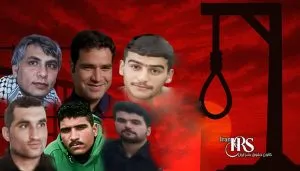
Moreover, she urges the international community to back torture victims. Families of political prisoners need support. Many inmates have languished over two decades for civil or religious acts. They lose basic rights. No leaves come. Family contact fades. Medical treatment vanishes.
Sato’s words echo in the General Assembly. They draw global eyes to Iran’s prisons. Activists worldwide rally. Therefore, pressure mounts on Tehran. Change feels possible, yet distant.
Section Two: Iran’s Executions Surge – Secrecy Fuels Repression and Injustice
Mai Sato’s report alarms with Iran’s execution spike. Independent sources logged over 900 in 2024. Now, the first nine months of 2025 exceed 1,000. Overall, more than 1,200 known cases hit by October. Authorities announce only 8%. Real numbers soar higher.
“Executions in Iran chase fear and social control, not justice,” Sato declares in her speech. She labels this an organized state violence. Society drowns in terror and silence.
About half target drug charges. Yet, evidence often lacks credibility. Appeals rarely happen. Sato blasts death penalties for non-violent crimes. “This violates Iran’s global pledges,” she says. She calls for an immediate halt to executions.
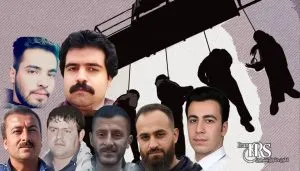
Political charges fuel others: “espionage,” “waging war against God,” “corruption on earth.” In 2025, at least 12 died for espionage. Ten followed July strikes – double last year’s toll. This signals fiercer opponent crackdowns. Iran’s courts wield execution for political kills.
“Over 1,200 known executions this year reveal deadly government violence,” Sato notes. “Revenge drives it, not deterrence.” Science backs her: no proof the death penalty deters crime. Instead, families endure agony. Fear spreads wide.
Transparency fails utterly. Families learn of executions too late. Bodies arrive unannounced. Sato demands a full stop. “Begin legal steps to scrap the death penalty,” she urges.
Post-June 2025 attacks by Israel and the US worsened this. Repression deepened. Emergency laws spurred mass arrests. Surveillance boomed. Minorities suffered most. Yet, Sato condemns those strikes as unlawful too. Iran twists external threats into internal terror. Therefore, victims pay double.
Secret Executions Deepen Family Trauma: Iran’s Refusal to Return Bodies
Sato’s report details secret executions of political prisoners. Hamid Hossein Nejad Heydaranlou, a Kurdish activist, died April 20, 2025. His case shows family impacts. Secrecy amplifies pain.

Families begged for his body. Authorities refused. Burial sites stay hidden. This denies farewell rights. Respectful burials vanish. It piles inhumane punishment on grief.
Similar fates hit Behrooz Ehsani and Mehdi Hasani. They executed July 27, 2025. No prior notice came. Families missed final visits. Such acts shatter lives further.
Sato ties this to broader trends. Executions hide in shadows. Political motives lurk. Families become collateral victims. “This compounds suffering,” she warns. International law demands body returns. Iran flouts it.
However, global voices rise. Activists protest. UN pressure builds. Families persist in demands. Hope flickers amid darkness.
Summary: Global Calls Intensify Against Iran’s Death and Repression Policy
Mai Sato ends her report with a plea for real regime engagement. Leaders must face international bodies. True cooperation demands human rights respect. She urges UN states to speak out. Silence aids Iran’s death policy. Back victim families now.
“Executions signal regime fear of people’s voices, not power,” Sato tells the Assembly. Her words spread wide. Observers hail this as the most documented expose in years. Violations stand bare.
Amnesty International echoes her. They demand execution halts. Fair retrials follow international norms. EU officials warn of escalation. Post-June repression shocks.
Iran’s response? Denial. They claim fair processes. Executions hit record highs: 76 in 12 days by November 2025. Hunger strikes erupt in 54 prisons. Protests fill streets.
Sato’s data draws from NGOs, families, witnesses. Over 1,000 cases by September stun. Half for drugs, many unfair. Espionage toll doubles. Torture extracts lies.

Broader crises compound woe. Femicide claims 60 lives March-September 2025. Evin Prison strike kills 80, including kids. Transfers cram women into hellish cells. No air, scant food.
Sato spotlights transnational threats too. Dissidents abroad face harassment. States must shield them. Coordinate against Iran’s reach.
Iran stands at crossroads. Reform beckons. Or deeper collapse looms. People crave dignity, peace, justice. International solidarity grows. UN members unite. Families fight on.
Sato’s voice amplifies theirs. Executions fail as tools. Fear crumbles under truth. Society stirs. Change whispers near.
See also the below articles:
- Conviction of Three Arab Political Prisoners in Ahvaz to 40 Years in Prison and Exile
- Aida Najafloo Evin Prison: Christian Convert Denied Treatment After Spinal Fracture
Follow Iran Human Rights Society on social networks:
Telegram /Twitter /Instagram / YouTube / Facebook
Join Iran Human Rights Society on Twitter




Discussion about this post