
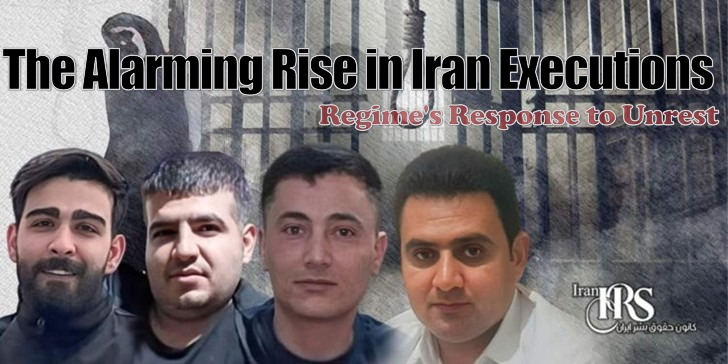
Iran executes 26 prisoners in 4 days, including a woman, sparking human rights outrage. The regime’s fear tactic clashes with global standards.
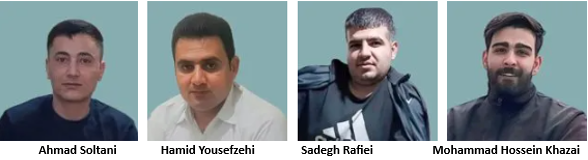
Iran Human Rights Society, Wednesday, 26 November 2025 – Iran executions spike dramatically, signaling the regime’s panic over mass protests and demands for freedom. Authorities hang 26 prisoners from November 23 to 26, 2025, including one woman. This brutal wave aims to instill fear and tighten social control. However, it blatantly defies international human rights norms.
The Alarming Rise in Iran Executions: Regime’s Response to Unrest
The sharp increase in Iran executions underscores the government’s alarm at widespread uprisings. Protesters demand liberty, so leaders resort to terror. On Wednesday, November 26, 2025, alone, 19 people faced the noose. This policy seeks to crush dissent. Yet, it only fuels global outrage. Moreover, it exposes the fragility of a regime clinging to power through violence.
Detailed Breakdown of Recent Executions in Iran
Iran Human Rights Society reports these grim events from November 23 to 26, 2025. First, consider Wednesday’s horrors. Hormoz Nejati met his end in Esfarayen Prison that morning. Then, three others died in Isfahan Prison. In Vakilabad Prison, Mashhad, two prisoners—including one woman—suffered the same fate. Bojnurd Prison claimed two more lives. Lakan Prison in Rasht executed two individuals. Six fell in Adelabad Prison, Shiraz (four identities pending review). Finally, Qezelhesar Prison hanged three, with the third’s name under verification.
Shifting to Tuesday, November 25, 2025, early hours brought fresh tragedies. Two prisoners perished in Khorramabad Prison. Mehdi Fathipour lost his life in Gorgan Prison. Karim Rafiei faced execution in Zanjan Prison. Noushad Amiri died in Qazvin Prison.
On Sunday, November 23, 2025, the toll continued. One unnamed prisoner died in Maragheh Prison. Jafar Shekari met his end in Birjand Prison. These acts compound the horror. However, they reveal a pattern of unchecked brutality.
Why Iran Executions Clash with the Universal Declaration of Human Rights
Article 3 of the Universal Declaration of Human Rights declares: Everyone holds the right to life. States may deprive it only through a competent court’s judgment for serious crimes under law. Yet, Iran executions shatter this principle. The right to life stands as fundamental and inalienable. Hanging strips it away forever.
Moreover, executions prove irreversible. Judicial errors offer no recourse once carried out. Therefore, innocence cannot reclaim lost breath.
Additionally, many methods inflict torture and cruel treatment. These violate the Declaration’s core tenets. Thus, such punishments mock global standards. Activists urge reform, but the regime persists.
Iran’s Breach of International Human Rights Obligations on Executions
According to Article 6 of the International Covenant on Civil and Political Rights, which Iran is a signatory to, the issuance and execution of the death penalty is permitted only with full guarantees of a fair trial and for the most serious crimes. In many similar cases, lack of transparency, legal restrictions on the accused, and issuance of verdicts in courts lacking necessary independence are considered violations of this fundamental human rights principle.
See also the below articles:
- Tuesdays No to Executions: Protests Erupt Across Iran Cities
- Masoud Farhikhteh Sent to Solitary Confinement for Third Time
Follow Iran Human Rights Society on social networks:
Telegram /Twitter /Instagram / YouTube / Facebook
Join Iran Human Rights Society on Twitter





Discussion about this post