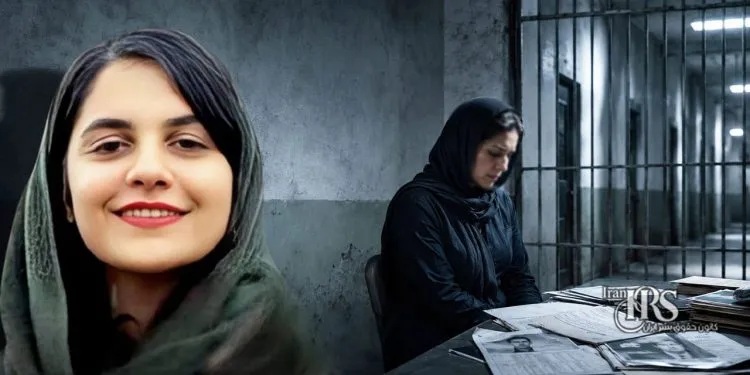
Forough Taghipour, a political prisoner held in Evin, was sentenced to one additional year in prison due to issuing a statement on Student Day; a ruling issued in continuation of security case-building and simultaneously with the intensification of pressure on political prisoners after the start of the war.
Iran Human Rights Society, Friday May 15, 2026 – Forough Taghipour, a political prisoner in Evin Prison, with the opening of a new case and following the issuance of a statement on Student Day, was sentenced to one additional year in prison. This ruling has been issued in conditions where human rights activists say that after the start of the war and the increase in the security atmosphere, pressure on political prisoners in Iran’s prisons has intensified remarkably. Legal observers also emphasize that the judiciary operates under the domination of security and intelligence institutions and in many political cases executes decisions dictated by the IRGC and the Ministry of Intelligence.
Issuance of New Ruling Against Forough Taghipour in Evin Prison
Based on published reports, Forough Taghipour has been sentenced to one additional year in prison on the charge of issuing a statement on Student Day. This ruling was notified to her inside the prison by Judge Sharifi-Nasab.
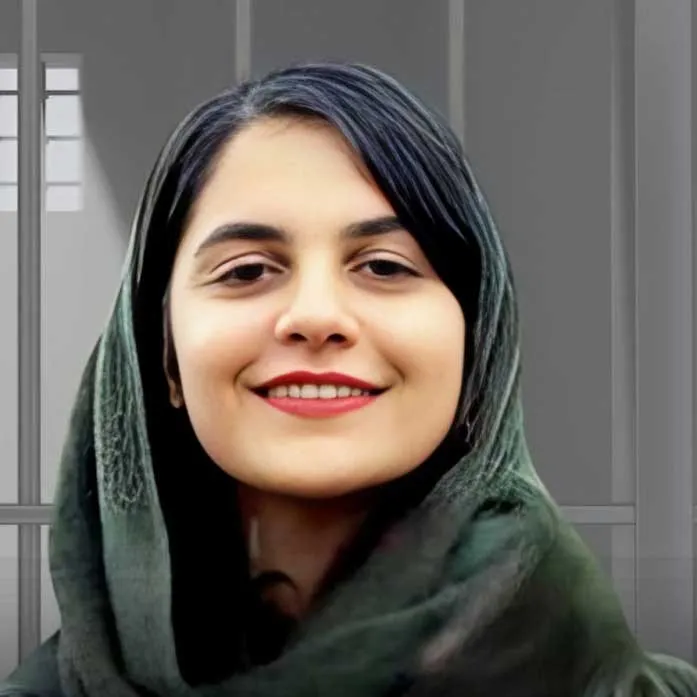
Human rights sources say that forming new cases against political prisoners during their imprisonment has become one of the common procedures of the security and judicial apparatus; a process whose goal is described as increasing psychological pressure and preventing any protest or activity by prisoners inside prisons.
Human rights activists believe that in many political cases, the judicial apparatus has no independence from security institutions and effectively operates under the influence of the Islamic Revolutionary Guard Corps and the Ministry of Intelligence. According to them, in cases related to political prisoners, the main decision-making is in the hands of security interrogators and judges only execute the wishes of intelligence institutions.
Formation of New Case on the Charge of “Propaganda Against the Regime”
Previously also in March 2026, an official notice had been given to Forough Taghipour based on which a new case had been opened against her. According to this notice, she was supposed to be interrogated via video conference in Branch 2 of the Public Prosecution Office of Area 33 (Moqaddas). The charge raised against her was titled “propaganda against the regime in prison.”
Designing such charges against prisoners who are serving their sentences has been repeated many times in recent years. Human rights activists say security institutions use this method to increase the prison terms of political prisoners and keep them in conditions of uncertainty.
Deprivation of Visits and Contact; Tool of Psychological Pressure
Simultaneously with the formation of the new case, Forough Taghipour has also faced disciplinary restrictions. Based on reports, on Tuesday February 17, 2026 it was announced to her that due to what was called “publication of false content,” she would be deprived of telephone contact and visits for one month. This deprivation was issued under the title of “punishment by the prison disciplinary committee” and was implemented from February 21, 2026.
Cutting contact and deprivation of visits is counted among the common tools of pressure on political prisoners in Iran’s prisons. Human rights activists say restricting prisoners’ communication with family, in many cases, is done with the goal of breaking the prisoner’s morale and forcing him/her to silence. According to them, these restrictions have intensified more in recent months and simultaneously with the increase in security pressures after the war.
Intensification of Pressure on Political Prisoners After the Start of the War
Political and human rights activists say that after the start of the war and the increase in regional tensions, the security atmosphere inside prisons has also intensified.
According to them, security institutions use wartime conditions to apply more pressure on political prisoners and any protest, statement or activity by prisoners faces a severe reaction from the security apparatus.
In recent months, numerous reports have been published of:
- formation of new cases
- increase in prison sentences
- deprivation of contact and visits
- transfer to solitary confinement
- and intensification of security pressures
against political prisoners.
Human rights activists say the government is worried about the spread of social discontent and the return of nationwide protests and for this reason tries to suppress any protesting voice even inside prisons.
Re-Arrest of Forough Taghipour After Release
Forough Taghipour, born 1994 and a graduate in accounting, was first arrested in March 2020 along with her mother. She was sentenced to five years in prison after trial and was held in the women’s ward of Evin Prison until January 2023.
But her release was not very long. On August 21, 2023 and simultaneously with the anniversary of the nationwide protests, she was arrested again along with Marzieh Farsi.
These two, after transfer to Ward 209 of the Ministry of Intelligence, were under interrogation for months. Finally, Branch 26 of the Tehran Revolutionary Court presided over by Judge Iman Afshari sentenced them on charges such as “baghy” and “connection with the Mujahedin-e Khalq Organization” to 15 years in prison.
Although this ruling was reduced to five years in prison in the appeals court due to the lack of valid evidence, Forough Taghipour is still being held in Evin Prison.
Role of Security Institutions in Political Cases
Human rights activists have repeatedly emphasized that in political cases, interrogators of the IRGC and the Ministry of Intelligence play the main role in the process of the case. According to them, many rulings issued against political prisoners are shaped on the basis of security reports, forced confessions and case-building by intelligence institutions.
In such conditions, the judiciary, instead of playing an independent judicial role, has in practice turned into the executive arm of the security apparatus. Critics say many judges in political cases, without regard to standards of fair trial, execute the wishes of security institutions.
Violation of Human Rights; Case-Building and Deprivation of Basic Rights of Prisoners
The case of Forough Taghipour is an example of continuous pressure on political prisoners in Iran. Forming new cases during imprisonment, deprivation of contact and visits, and use of disciplinary restrictions against political prisoners are among the cases that human rights activists have warned about. Human rights institutions say the judicial apparatus operates under the domination of security institutions and many political cases are shaped on the basis of the wishes of the IRGC and the Ministry of Intelligence.
Violated Articles:
- Violation of the right to a fair trial – Article 10 of the Universal Declaration of Human Rights: Security and non-transparent handling of the cases of political prisoners and the lack of independence of the judicial apparatus violates the principles of fair trial.
- Violation of freedom of expression – Article 19 of the Universal Declaration of Human Rights: Issuing a prison sentence due to publishing a statement and expressing opinion is considered a violation of the right to freedom of expression.
- Violation of the right to communication with family – United Nations Minimum Rules for the Treatment of Prisoners: Deprivation of contact and visits is one of the tools of psychological pressure against political prisoners.
- Violation of the prohibition of arbitrary arrest and punishment – International Covenant on Civil and Political Rights: Opening repeated cases and increasing prison sentences during imprisonment is an example of applying arbitrary pressure against political prisoners.
See also the below articles:
- Ali Younesi Rejects Pardon: Powerful Protest in Qezelhesar Prison
- Craig Foreman Hunger Strike in Evin Prison: British Couple’s Desperate Protest
Follow Iran Human Rights Society on social networks:
Telegram /Twitter /Instagram / YouTube / Facebook
Join Iran Human Rights Society on Twitter