Multi-fold overcrowding, the spread of bedbugs and skin diseases, lack of hot water, severe shortage of beds, unsuitable food, and the collapse of medical services threaten the lives and health of hundreds of political and security prisoners in Ward 2 of Karaj Central Prison.
Iran Human Rights Society, Tuesday, August 18, 2026 – Reports received from Ward 2 of Karaj Central Prison indicate the formation of a widespread humanitarian and health crisis in this prison. According to the families of prisoners, about 300 to 400 political and security prisoners, mainly detainees from the nationwide protests of the year 2025–2026, are held in an extremely dense, contaminated space lacking the most basic living facilities.
Severe overcrowding, shortage of beds and sleeping space, spread of bedbugs and ticks, lack of hot water, unprecedented restriction in the use of the shower, poor quality of food, shortage of detergents, very limited access to medical services, and disruption in telephone calls have created conditions that families refer to as “organized and exhausting pressure.”
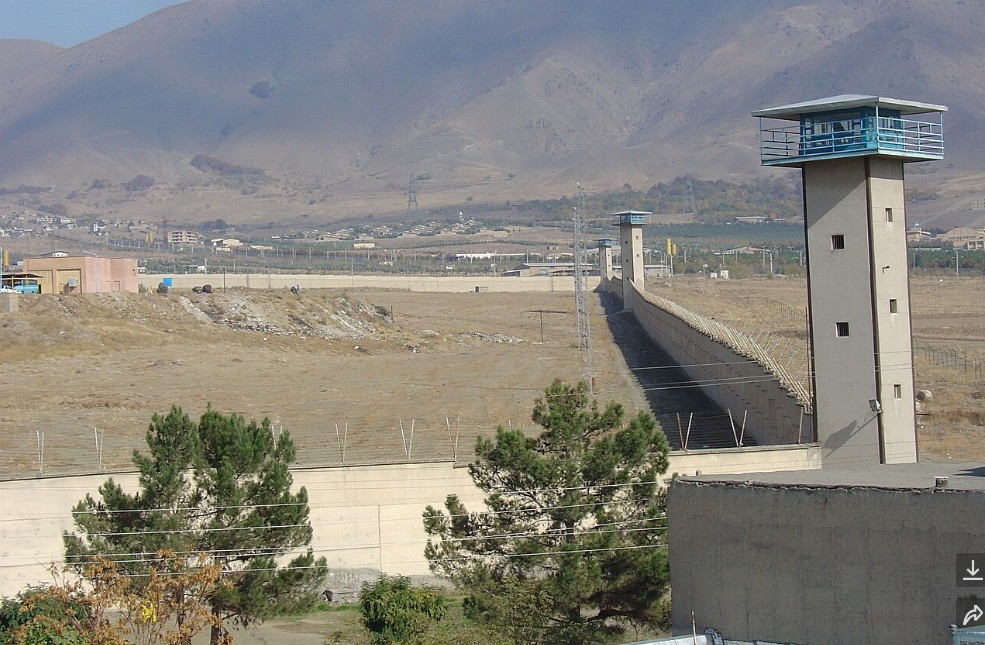
According to these reports, the psychological pressure resulting from the condition of Ward 2 of Karaj Central Prison has increased to such an extent that a number of prisoners have suffered nerve attacks and severe psychological disorders. Families have also reported instances of self-harm or suicide attempts among prisoners; a matter that redoubles the necessity of an immediate and independent inspection of this ward.
What You Read in This Report
- Holding 300 to 400 political and security prisoners in Ward 2 of Karaj Central Prison
- Presence of 25 to 30 prisoners in 9-bed rooms and widespread floor-sleeping
- Forced transfer of political prisoners from Hall 15 and confiscation of purchased items
- Lack of hot water and allocation of only two hours of shower per week for hundreds of prisoners
- Spread of bedbugs, ticks, pollution, and skin diseases
- Low-quality food, shortage of detergents, and high price of items in the prison store
- Collapse of medical services and self-treatment of prisoners with primitive facilities
- Increase of psychological pressures, nerve attacks, and reports of cases of suicide attempts
- Claim of distribution of an industrial and dangerous drug inside the ward
- Breakdown of telephones and restriction of prisoners’ calls with family to about one minute
- Silence of families out of fear of intensification of pressure and case-building against prisoners
- Examination of cases of violation of domestic laws and international human rights standards
Information Box | Situation of Ward 2 of Karaj Central Prison
| Subject | Reported Information |
| Place of detention | Ward 2 of Karaj Central Prison |
| Number of prisoners | About 300 to 400 people |
| Composition of prisoners | Political and security prisoners, mainly detainees of the protests of the year 2025–2026 |
| Capacity of rooms | 9 beds for about 25 to 30 prisoners |
| Sleeping condition | Widespread floor-sleeping and severe shortage of beds |
| Access to shower | About two hours per week for the entire ward |
| Health problems | Lack of hot water, spread of bedbugs and ticks, shortage of detergents, and skin diseases |
| Situation of treatment | Long delay in medical care, shortage of medicine and dental services |
| Psychological situation | Nerve attacks, severe psychological pressure, and reports of cases of suicide attempts |
| Nutrition and store | Low-quality food, limited items, and multi-fold prices |
| Contact with family | Defective telephones and about one minute of call for each prisoner |
| Security concern | Claim of entry and distribution of a dangerous industrial drug inside the ward |
| Reaction of officials | General answers and continuation of problems despite visits of families |
Sudden Transfer of Political Prisoners from Hall 15 to Ward 2
A section of political prisoners were held in Hall 15 of Karaj Central Prison prior to transfer to Ward 2. Prisoners and their families, during the time they were present in this hall, had tried using personal financial resources to compensate for part of the existing shortages.
Families had spent money to purchase cooling devices, supply faucets, paint the hall, and provide some necessary and welfare items. These measures had been able to make the conditions of Hall 15 to an extent more tolerable for prisoners.
However, prison officials, without prior notice, transferred prisoners from Hall 15 to Ward 2 and did not allow them to take along items that were supplied with their personal cost or the help of their families. The remaining items were also placed at the disposal of prison officials.
Some families have claimed that the transfer of prisoners and confiscation of their welfare items took place with financial motives and to prepare the ground for receiving money again. This claim is not independently verifiable, but given its nature, it must be investigated by an independent body. Officials of Karaj Central Prison have not so far provided a transparent explanation regarding the fate of the purchased items, the reason for the sudden transfer of prisoners, and the basis of the decision made.
Holding 25 to 30 Prisoners in 9-Bed Rooms
One of the most serious problems of Ward 2 of Karaj Central Prison is the multi-fold density of population compared to the existing capacity. According to families, in rooms that have only 9 beds, between 25 and 30 people are held.
Therefore, most prisoners are forced to sleep on the ground, in the space between beds, next to walls, or in the movement path of others.
Widespread floor-sleeping, in addition to depriving prisoners of sufficient rest, places them in direct contact with pollution, insects, and moisture of the room floor. Shortage of space has also eliminated the possibility of regular cleaning, suitable air circulation, and maintaining minimal personal privacy.
Prisoners do not have the possibility of moving comfortably during the night and sometimes to go to the sanitary facility must pass from among the sleeping place of others. The continuation of such a situation causes sleep disruption, increase of nervous tensions, physical exhaustion, and intensification of conflicts resulting from environmental pressure.
This overcrowding is reported while the internal regulation of the Prisons Organization has obligated officials to act to minimize the accumulation of prisoners, maintain personal and public health, and supply their physical and psychological health.
Crisis of Shower, Hot Water, and Personal Cleanliness
Lack of hot water and severe restriction of access to shower is another part of the crisis of Ward 2 of Karaj Central Prison. According to received information, the showers of the ward are active only about two hours per week for a population between 300 and 400 people.
Even if this time is divided without interruption among prisoners, the share of each individual will be less than half a minute. In practice, many prisoners do not find the possibility to bathe during the week or are forced in a very short time and without access to sufficient water to wash themselves.
Families have described the showers of the ward as “field-type and lacking suitable walls.” Lack of privacy, shortage of shower heads, shut-off or reduction of water pressure, and lack of hot water have made compliance with the most basic principles of personal cleanliness impossible.
This situation has helped the spread of skin diseases, infection, severe itching, and rapid transmission of insects. In an environment where dozens of people sleep in a small room and on the ground, the lack of possibility to bathe and wash clothes converts pollution into a permanent cycle.
Spread of Bedbugs and Skin Diseases
Prisoners and their families have reported the widespread presence of bedbugs and ticks in rooms, sleeping places, and personal items. Shortage of detergents, shower restriction, severe population density, and lack of effective spraying have provided the ground for the rapid spread of pollution.
Repeated insect bites have caused wounds, inflammation, severe itching, and sleep disruption. Continuous scratching of wounds in a polluted environment also increases the probability of skin infections. Prisoners who were previously afflicted with skin diseases, diabetes, or weakness of the immune system are exposed to greater danger.
Lack of a suitable cooling device has also made conditions more difficult in the warm season. Heat, humidity, population density, and lack of sufficient air circulation, not only intensify pollution, but can cause drops in pressure, headache, body dehydration, shortness of breath, and intensification of heart or respiratory diseases.
Despite visits of families, prison officials have given general answers like “it will be fixed”; but according to them, problems such as bedbugs, water shortage, lack of bathing facilities, and environmental pollution still continue.
Low-Quality Food and Expensive Prison Store
Reports also indicate the very low quality of food distributed in Ward 2 of Karaj Central Prison. Prisoners have described the food as lacking quality, nutritional value, and sufficient variety. In conditions where many of them are under psychological pressure or are afflicted with physical diseases, unsuitable nutrition can speed up the process of physical exhaustion.
The ward store also cannot compensate for food shortages. According to families, in this store mainly limited items such as cigarettes and biscuits are offered and necessary materials, especially detergents, hygienic products, and edibles having nutritional value, are often not present.
These same limited items are also sold at prices several times outside the prison. This situation enters more financial pressure on families who at the same time must supply the cost of a lawyer, commuting, supplying medicine, and other needs of the prisoner.
Article 154 of the Regulation of the Prisons Organization has made mandatory the supply of three meals of food having sufficient calories and vitamins, healthy drinking water, and regular distribution of fruit, vegetables, dairy, and food containing meat. The description of prisoners of the food of Ward 2 has a serious distance from these requirements.
Collapse of Medical Services and “Self-Treatment” with Blanket Wire
One of the most shocking parts of the report relates to the situation of treatment and dentistry. Prisoners to receive medical services must wait a long time and the prison infirmary is not responsive to the volume of diseases and existing treatment needs.
According to informed sources, some prisoners afflicted with severe toothache, due to deprivation from access to a dentist and suitable medicine, detach the wires of blanket cover and using it try to remove their tooth nerve. Such an action can cause bleeding, infection, tooth breaking, and disease transmission, and shows to what extent prisoners have remained deprived of primary treatment services.
Along with dental problems, skin diseases, respiratory problems, and psychological injuries are also not examined on time. These delays can convert treatable diseases into chronic problems or emergency situations.
Report of cases of self-harm and suicide attempt makes the responsibility of the infirmary and prison management heavier. Every prisoner who has signs of psychological crisis, severe despair, or inclination to harm themselves, must immediately be placed under psychological and psychiatric evaluation. Inattention to these signs can place the life of the prisoner in danger.
Distribution of an Industrial Drug in the Ward
Families have warned regarding the spread of a drug and handmade substance in Ward 2 which is said to be produced or consumed using glue. Inhaling chemical compounds present in glue can enter serious damage to lungs, nervous system, and other organs of the body.
Some families have considered it possible that this substance enters the ward with the knowledge or cooperation of a number of prison guards. This claim also has not been independently confirmed so far and must become the subject of an impartial investigation.
According to Article 9 of the Regulation of Prisons, preventing the entry of drugs into prison is among the direct duties of the head of the penal institution. Therefore, the mere widespread existence of such a substance inside the ward — regardless of the factor of its entry — shows a serious weakness in supervision and management of the prison.
One-Minute Calls with Families
The telephones of Ward 2 are mainly defective and the conversation sound in many calls is not heard properly. On the other hand, due to high population and limited number of telephones, each prisoner has opportunity only for about one minute to call with their family.
This short time even for informing of health status, following up the case, or hearing the voice of family members is not enough. Incomplete and irregular calls, especially for prisoners who are in crisis conditions, create double psychological pressure.
Article 223 of the Regulation of the Prisons Organization has obligated officials to supply suitable telephones for connection of the prisoner with family, relatives, and lawyer. The existence of broken telephones and limiting calls practically to one minute is not consistent with the goal of this rule.
Silence of Families Under the Shadow of Threat
Families say they do not make media many of the problems out of fear of increase of charges or intensification of pressure on their children. This concern has caused only part of the realities of Ward 2 of Karaj Central Prison to find way to the outside.
Indirect threat of families to increase of “crime” or creation of new cases, in addition to restricting the free flow of information, eliminates the possibility of public supervision on the behavior of prison officials. The prisoner and his family must be able without fear of retaliation to complain about conditions of detention.
Legal Review of the Situation of Ward 2 of Karaj Central Prison Based on Domestic Laws
The laws of the dictatorship ruling over Iran in past years repeatedly due to conflict with standards of fair trial, ambiguity in handling security cases, and restricting rights of prisoners have been criticized. Reviewing the situation of Ward 2 of Karaj Central Prison based on domestic laws does not mean confirmation of these laws; the goal is to show cases that even these same laws have not been observed by prison officials and the judicial system.
Legal Ambiguities of the Situation of Ward 2 of Karaj Central Prison
Based on published information, about 300 to 400 political and security prisoners, mainly from detainees of the nationwide protests of the year 2025–2026, are held in Ward 2 of Karaj Central Prison. Population density is to an extent that in rooms having 9 beds, between 25 and 30 prisoners are present and most of them are forced to floor-sleep.
One of the basic ambiguities is the reason for the sudden transfer of political prisoners from Hall 15 to Ward 2. This transfer was done without prior notice and prisoners were not allowed to take along items that were supplied with their personal cost and help of their families. So far regarding the legal basis of this transfer and the fate of coolers, faucets, and other purchased items transparent explanation has not been provided.
Families have also claimed that transfer of prisoners and confiscation of their welfare items may have taken place with financial motives. This claim is not independently confirmed, but its nature requires that independent and transparent inspection be done regarding the decision of prison officials and the situation of property of prisoners.
Lack of hot water, severe restriction of use of shower, spread of bedbugs and skin diseases, unsuitable quality of food, and shortage of detergents create serious questions regarding compliance with legal duties of prison management in supplying minimum health conditions. Allocating only about two hours of shower per week to a population between 300 and 400 people practically deprives prisoners of the possibility of observing personal health.
Situation of medical services is also accompanied with serious ambiguities. It is reported that prisoners to receive treatment services must wait long times and even some of them to reduce toothache, using wire of blanket cover attempt to tamper with and remove their tooth nerve. Such a situation shows that effective and timely access to doctor, dentist, medicine, and treatment services has not been supplied.
Report of cases of nerve attacks, self-harm, and suicide attempt also raises the necessity of reviewing the function of the psychology unit and prison infirmary. It is not clear to what extent prisoners who have signs of psychological crisis have been placed under specialized care and what measures prison officials have taken to prevent suicide.
The claim of entry and distribution of a drug and industrial substance made from glue inside the ward must also be examined. Some families have considered it possible that this substance enters the ward with the knowledge or cooperation of a number of prison guards. This claim has not been independently confirmed so far, but the existence of such a substance in the ward, regardless of the factor of its entry, shows a serious weakness in supervision and protection of health of prisoners.
Breakdown of telephones and restriction of call time of each prisoner to about one minute are among other ambiguous cases. Given the high population of the ward, it is not clear why prison officials have not provided communication facilities proportionate to the number of prisoners and on what basis the right of contact of prisoners with family has been restricted to this extent.
Related Legal Articles
Reviewing the situation of Ward 2 of Karaj Central Prison from the perspective of domestic laws recalls several important principles and regulations:
- Article 22 of the Constitution: Life, rights, housing, and dignity of persons are immune from aggression, except in cases prescribed by law.
- Article 39 of the Constitution: Violation of dignity and status of arrested or imprisoned persons in any form is forbidden and legal responsibility is foreseen for it.
- Article 2 of the Executive Regulation of the Prisons Organization: Obligates prison officials to observe human dignity, legitimate rights and freedoms, and promote physical and psychological health of prisoners.
- Article 4 of the Executive Regulation of the Prisons Organization: Emphasizes minimizing accumulation of prisoners, observing classification, maintaining personal and public health, and supplying suitable conditions of detention.
- Article 9 of the Executive Regulation of the Prisons Organization: Considers supplying health, hygiene, and nutrition of prisoners, responding to protests, and preventing the entry of drugs into prison as duties of the prison head.
- Articles 117 and 118 of the Executive Regulation of the Prisons Organization: Emphasize supplying comprehensive health and treatment services, early medical interventions, continuous care, and access of prisoners to treatment.
- Article 129 of the Executive Regulation of the Prisons Organization: Obligates officials to supply sufficient hot water for bathing and washing of prisoners.
- Article 154 of the Executive Regulation of the Prisons Organization: Has made mandatory supplying sufficient, healthy food having suitable calories and vitamins as well as healthy drinking water.
- Article 223 of the Executive Regulation of the Prisons Organization: Emphasizes providing the possibility of telephone contact of prisoners with family, relatives, and lawyer.
Cases of Law Violation
Given the published information, the most important potential cases of violation of domestic laws consist of:
- Holding 25 to 30 prisoners in rooms with only 9 beds;
- Widespread floor-sleeping and deprivation of prisoners from suitable space for rest;
- Sudden transfer of political prisoners from Hall 15 without prior notice;
- Preventing the transfer of items that were purchased at the cost of prisoners and their families;
- Ambiguity regarding the fate of welfare items and property of prisoners;
- Lack of hot water and very limited access to shower;
- Spread of bedbugs, ticks, pollution, and skin diseases;
- Shortage of detergents and essential hygienic items;
- Unsuitable quality of food and shortage of items having nutritional value;
- Long delay in providing medical and dental services;
- Lack of effective care of prisoners afflicted with psychological crises;
- Report of cases of self-harm and suicide attempt as a result of environmental pressures;
- Probability of entry and distribution of industrial drugs inside the ward;
- Breakdown of telephones and restriction of contact of prisoners with family;
- Remaining unanswered the repeated visits and complaints of families;
- Creating fear in families regarding increase of charges of their children in case of making media the situation of the prison.
Reviewing the Situation of Ward 2 of Karaj Central Prison from the Perspective of Human Rights and Cases of Violation of International Standards
From the perspective of human rights, supplying physical and psychological health, enjoyment of sufficient food, access to water and hygienic facilities, receiving medical services, maintaining contact with family, and humane behavior with prisoners are considered fundamental principles of international law.
Published reports regarding multi-fold overcrowding, floor-sleeping, lack of hot water, shower restriction, spread of bedbugs and skin diseases, low-quality food, deprivation from treatment, and severe psychological pressures in Ward 2 of Karaj Central Prison have created serious concerns regarding violation of these rights.
Long deprivation from basic living facilities, when continued with knowledge of officials and without effective action to correct conditions, may be evaluated in the framework of cruel, inhuman, or humiliating behavior. Report of self-harm and suicide attempt also shows that ward conditions are not merely a welfare problem, but can lead to direct threat to the life of prisoners.
Related International Documents
- Article 5 of the Universal Declaration of Human Rights: Prohibition of torture and any cruel, inhuman, or humiliating behavior or punishment.
- Article 25 of the Universal Declaration of Human Rights: Right to enjoy a suitable level of life, health, medical care, and necessary services.
- Article 7 of the International Covenant on Civil and Political Rights: Prohibition of torture and cruel, inhuman, or humiliating behavior or punishment.
- Article 10 of the International Covenant on Civil and Political Rights: Obligation for humane and respectful behavior with all individuals deprived of liberty and observing their inherent dignity.
- Article 12 of the International Covenant on Economic, Social and Cultural Rights: Right to enjoy the highest attainable standard of physical and psychological health.
- Rules 12 to 17 of the Nelson Mandela Rules: Necessity of prisoners enjoying sufficient space, ventilation, light, bed, and suitable sleeping items and standard hygienic facilities.
- Rule 18 of the Nelson Mandela Rules: Necessity of supplying water and necessary items to maintain personal cleanliness of prisoners.
- Rule 22 of the Nelson Mandela Rules: Obligation to supply healthy, sufficient food having suitable nutritional value and permanent access to drinking water.
- Rules 24 to 27 of the Nelson Mandela Rules: Right of access of prisoners to suitable, independent medical services at the same level as services existing in society.
- Rule 30 of the Nelson Mandela Rules: Necessity of immediate examination of signs of psychological pressure, self-harm, and risk of suicide and taking preventive and treatment actions.
- Rule 58 of the Nelson Mandela Rules: Right of prisoners to maintain regular contact with family and relatives through call, correspondence, and visit.
The continuation of reported conditions in Ward 2 of Karaj Central Prison can be an instance of simultaneous violation of the right to health, right to enjoy humane behavior, right to contact with family, and right to immunity from humiliating behavior. Prison officials, the General Directorate of Prisons of Alborz Province, the prosecutor, and the supervising judge of the prison have direct responsibility regarding immediate resolution of these conditions and preventing further damages to prisoners.
See also the below articles:
- Execution of Shahram Sadeghi: Confessions & Due Process Inquiries
- 3 Prisoners Executed in Ardabil Central Prison Amid Rising Capital Punishment
Follow Iran Human Rights Society on social networks:
Telegram /Twitter /Instagram / YouTube / Facebook
Join Iran Human Rights Society on Twitter