
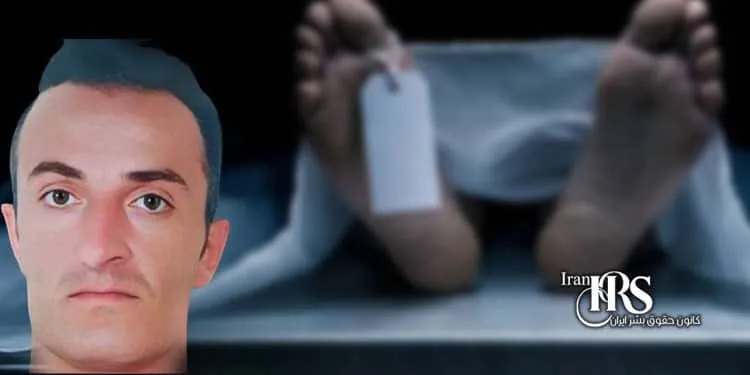
Rasoul Abdollahpour, a 36-year-old prisoner from Rudsar, died under suspicious circumstances after prison authorities refused to readmit him following his furlough. His body was found in the Haviq River.
Iran Human Rights Society, June 7, 2025 – On May 24, 2025, the lifeless body of Rasoul Abdollahpour Kakroudi, a prisoner from Rudsar County, was discovered in the Haviq River under mysterious circumstances. The official cause of death remains undisclosed, raising serious concerns about the treatment of prisoners in Iran, particularly during furloughs and interactions with the judicial and prison systems.
Rasoul Abdollahpour, aged 36 and a resident of Kakrud village, was on furlough from Haviq Prison. According to informed sources, he reported to the prison to return from his leave, but authorities refused to admit him and instructed him to return the next day. This refusal led him to not return to his home in Rudsar. Hours later, his body was found in the river, with no prior notice or official explanation from the authorities.
Unlawful Conduct by Prison Authorities

Based on available information, prisons are obligated to promptly readmit prisoners who return from legally granted furloughs. Refusing admission without a legal reason is a clear violation of the executive regulations of Iran’s Prison Organization, with potentially dangerous consequences for prisoners’ safety. In this case, the blatant negligence of Haviq Prison authorities left Abdollahpour in a state of limbo. Given the significant distance between his home in Rudsar and Haviq Prison, this refusal effectively abandoned him to an uncertain fate.
Authorities’ Deafening Silence
Despite several days passing since the incident, no official statement has been issued by Haviq Prison, the Gilan Province Judiciary, or the Prison Organization. This silence has heightened suspicions about the prison system’s direct or indirect responsibility and left the family and public with unanswered questions. Suspicious deaths of prisoners, both inside facilities and during furloughs, have become an alarming trend in recent years. Denial of medical care, severe psychological pressure, judicial uncertainty, and unlawful conduct by prison officials are among the factors contributing to such tragedies.
Demand for Transparent Accountability
Abdollahpour’s family and human rights activists are calling for an independent, impartial, and urgent investigation into this suspicious death. Key questions remain: Why was he refused reentry to the prison? Why did he not return home? What circumstances led to his death in the river? Why have authorities provided no explanation? Without transparency and accountability, public trust in responsible institutions will continue to erode. This ongoing pattern reflects a critical and inhumane state within Iran’s judicial and prison systems, which, instead of protecting prisoners’ lives, drives them toward neglect and lawlessness.
Human Rights Violations
The suspicious death of Rasoul Abdollahpour and the conduct of Haviq Prison authorities violate several articles of the International Covenant on Civil and Political Rights:
Article 6 – Right to Life: States are obligated to protect the lives of all individuals under their jurisdiction, including prisoners. The irresponsible actions of Haviq Prison endangered and ultimately led to the loss of Abdollahpour’s life.
Article 7 – Prohibition of Torture and Inhumane Treatment: Leaving a prisoner in a state of uncertainty, especially in a fragile mental state, constitutes inhumane and degrading treatment.
Article 10 – Humane Treatment of Detainees: Prisoners must be held in safe and humane conditions. The refusal to readmit Abdollahpour is a clear violation of this principle.
Rasoul Abdollahpour’s death is not merely an “incident” but another indicator of the critical state of Iran’s prisons and judicial system. Authorities must not only clarify the cause of this death but also be held accountable for the actions of institutions that, through negligence, led a human being toward death.
Follow Iran Human Rights Society on social networks:
Telegram /Twitter /Instagram / YouTube / Facebook
Join Iran Human Rights Society on Twitter








Discussion about this post