
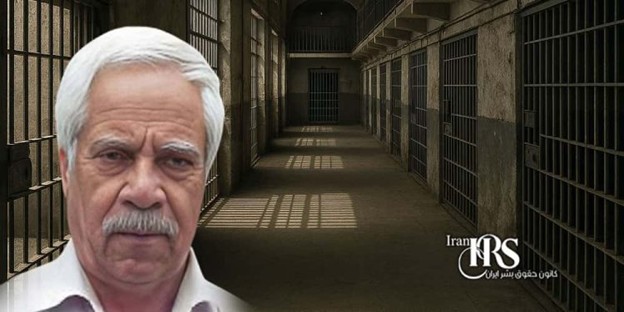
Hashem Khastar faces intensified pressure in Vakilabad Prison, Mashhad, with solitary confinement and rights violations.
Iran Human Rights Society, July 12, 2025– Hashem Khastar, a prominent political prisoner and teachers’ union activist, endures severe restrictions in Vakilabad Prison, Mashhad. The Iran Human Rights Organization reports that authorities impose psychological torture and violate his basic rights. This article explores Khastar’s dire conditions, the broader context of human rights abuses in Iran, and urgent calls for international action.
Severe Restrictions on Hashem Khastar in Solitary Confinement
In Ward 6/1 of Vakilabad Prison, Khastar faces harsh isolation. Authorities confine him to a 3×4 meter cell, limiting outdoor time to just 30 minutes twice daily. Constant camera surveillance invades his privacy, creating a suffocating environment. Furthermore, officials frequently place him in solitary confinement, cutting off contact with other prisoners. These measures aim to break his spirit, yet Khastar remains resilient despite his advanced age and health issues.
Monitored Communication and Denied Access
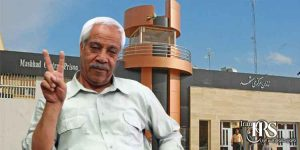
Khastar’s ability to communicate is heavily restricted. Unlike other political prisoners who use public phones during outdoor time, authorities force Khastar to make calls from a supervised office. Guards monitor every word, disconnecting calls if he expresses dissent. Consequently, he struggles to connect with family or legal counsel. This deliberate isolation violates his right to freedom of expression, as outlined in Article 19 of the Universal Declaration of Human Rights (UDHR).
Denial of Writing and Cultural Tools
Authorities prohibit Khastar from accessing books, pens, or notebooks in Ward 6/1. For a writer and intellectual, this ban stifles his ability to express ideas or document abuses. Prison officials resist attempts to send him writing materials, intensifying his psychological strain. Moreover, this restriction infringes on his fundamental right to education and expression, further isolating him from intellectual engagement.
Limited Access to Nutrition and Basic Needs
Shopping and cooking present additional challenges for Khastar. Prisoners in Ward 6/1 can only shop in pairs, with immediate return required, limiting access to essentials. Additionally, authorities grant just 30 minutes daily for cooking, a significant burden for elderly inmates like Khastar. These restrictions hinder proper nutrition, exacerbating his health concerns and contributing to the overall strategy of “white torture.”
Overcrowded and Inhumane Conditions at Vakilabad Prison
Vakilabad Prison, one of Iran’s largest, suffers from severe overcrowding. Its 12 wards house far more inmates than the official capacity of 2,500. For instance, Ward 5, designated for violent crimes, crams up to 80 prisoners into rooms with only 15 beds. Many sleep in corridors or near toilets, enduring filthy conditions. Political prisoners like Khastar face additional punitive measures, such as isolation, to suppress their activism. These conditions violate Article 5 of the UDHR, which prohibits cruel treatment.
Systemic Human Rights Violations in Iran
Khastar’s treatment reflects a broader pattern of repression in Iran. Authorities target political prisoners to silence dissent, often using indefinite detention, as seen in the case of Hassan Vadaeipour, held without a sentence for over 15 years. Additionally, secret executions and unfair trials are common. For example, in April 2025, officials executed five political prisoners in Vakilabad Prison after sham trials, highlighting systemic abuses.
Hashem Khastar’s Background and Activism
Khastar, a retired teacher and agricultural engineer, has advocated for teachers’ rights since 2004. As a leader of the Mashhad Teachers Union, he signed a statement demanding the resignation of Iran’s leader, leading to his arrest in 2019. In 2020, he received a 16-year sentence for charges like “insulting sacred values” and “disturbing public opinion.” Despite harsh conditions, Khastar continues to send letters exposing prison abuses, prompting further restrictions.
Violations of International Human Rights Standards
The treatment of Khastar violates several UDHR articles:
- Article 3: His unsafe and isolating conditions threaten his security.
- Article 5: Solitary confinement and surveillance constitute psychological torture.
- Article 9: Arbitrary detention practices, like those against Vadaeipour, persist.
- Article 10: Restricted communication obstructs fair trial access.
- Article 19: Monitored calls suppress free expression.
These abuses demand urgent international attention to hold Iranian authorities accountable.
Growing Concern and Calls for Action
Khastar’s wife, Sedigheh Malekifard, reports that he has had only two in-person visits in four years, underscoring the severity of his isolation. Human rights organizations condemn his treatment as “systematic torture.” They urge the United Nations and global leaders to demand his release and protect other political prisoners. Public sentiment echoes this call, emphasizing the need for action against these violations.
Broader Context of Repression in Iran
Iran’s crackdown on dissent has intensified, particularly since the 2022-23 “Woman, Life, Freedom” protests. Authorities executed 798 citizens in 2023, a 37% increase from the previous year, often targeting minorities and activists. The Noor Plan, implemented in 2024, escalated surveillance and violence against women defying veiling laws, further restricting freedoms. These policies reflect a systemic effort to suppress opposition, with Vakilabad Prison serving as a key site for such abuses.
Urgent Need for International Intervention
The global community must act swiftly to address Khastar’s plight and the broader human rights crisis in Iran. The United Nations Special Rapporteur on Human Rights in Iran has repeatedly called for prison visits and improved conditions, yet authorities ignore these demands. By amplifying Khastar’s story and supporting campaigns like “No to Execution,” individuals and organizations can pressure Iran to uphold human rights standards.
Follow Iran Human Rights Society on social networks:
Telegram /Twitter /Instagram / YouTube / Facebook
Join Iran Human Rights Society on Twitter








Discussion about this post