
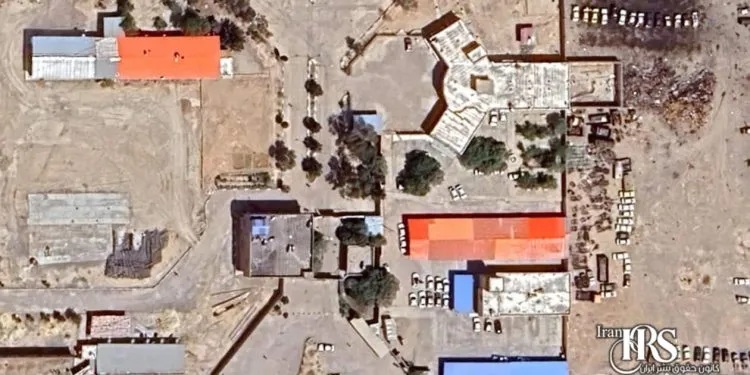
Dolatabad Prison in Isfahan stands as a stark symbol of a hidden humanitarian crisis within Iran’s prison system. Far from rehabilitating inmates, this facility subjects female prisoners, especially political activists, to systemic corruption, inhumane conditions, and relentless oppression. This article uncovers the dire circumstances faced by women in Dolatabad Prison, highlighting urgent human rights concerns.
Transfer of Female Prisoners: A Shift to Harsher Realities
Iran Human Rights Society, Thursday, July 24, 2025- Shocking report reveals inhumane conditions for female prisoners in Dolatabad Prison, Isfahan, with systemic abuse, malnutrition, and human rights violations.
Following the closure of the women’s ward at Dastgerd Prison, Dolatabad Prison became the sole facility for female inmates in Isfahan province. Reports from July 24, 2025, reveal a troubling reality. The prison operates under two authorities: the Islamic Revolutionary Guard Corps and the Moral Security Police alongside Iran’s Law Enforcement Command. However, a critical issue persists—no separation of inmates based on their crimes.
Political prisoners share cells with those convicted of violent or serious offenses, a practice that defies both Iranian and international laws. This mixing endangers political prisoners, who face constant threats. When they protest, authorities mock them, saying, “You’re no different from other criminals.” Only inmates charged with financial crimes receive separate housing, leaving others in a chaotic and dangerous environment.
Inhumane Living Conditions in Dolatabad Prison
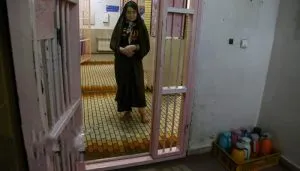
The conditions inside Dolatabad Prison are appalling. Female prisoners endure filthy environments infested with bedbugs and biting insects. Families cannot send blankets, clothing, or personal items, forcing inmates to sleep on dirty, worn-out bedding. One prisoner wrote in a confidential letter: “We live in fear of insect bites every night. Our clothes smell of filth, and cleaning is nearly impossible.”
These unsanitary conditions breed disease, with lice and other pests rampant. Hot water is scarce, and cleaning supplies are limited, making hygiene a daily struggle. Such conditions not only harm physical health but also constitute psychological torture, stripping inmates of dignity.
Restricted Visitations and Family Humiliation
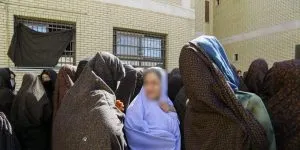
Visitation rights in Dolatabad Prison are severely limited. Inmates receive only one weekly visit, often tainted by harassment. Families face degrading body searches and bans on bringing food or essentials. This process inflicts emotional distress on both prisoners and their loved ones.
Many families describe visits as a “recurring nightmare” rather than a moment of connection. The psychological toll is immense, as prisoners feel isolated and families leave humiliated. These restrictions violate basic human rights to family contact, further deepening the crisis.
Psychological and Physical Torture of Political Prisoners
Political prisoners face intensified abuse in Dolatabad Prison. Authorities reportedly use inmates with serious charges, like murder, to harass others. These hired inmates, acting under orders, target political prisoners with physical and verbal abuse, sometimes filing false reports to worsen their situation. A former prisoner shared in a confidential report: “There’s no safety here. A hired inmate could attack or frame you at any moment. Even breathing feels monitored.”
This environment creates a form of “silent white torture,” combining psychological pressure, physical threats, and constant surveillance. Some prisoners, overwhelmed by despair, have contemplated suicide. The systemic use of abuse to silence dissent is a clear human rights violation.
Notorious Figures Behind the Abuse
Several individuals are infamous for their roles in Dolatabad Prison’s oppressive system. Farzaneh Rahimi, a known tormentor, and Dorosti, a so-called “prison counselor,” enforce brutal tactics. Kashani, the head of prison security, is notorious for her cruelty. All operate under the supervision of Rezvani, the prison warden, who oversees this cycle of abuse. These figures create an atmosphere of fear, ensuring compliance through intimidation.
Malnutrition and Health Crises in Dolatabad Prison
Nutrition in Dolatabad Prison is woefully inadequate. Prisoners receive low-quality, often cold, stale meals with little nutritional value. The prison store rarely offers healthy options—fruit appears only every few months at exorbitant prices, and vegetables are virtually nonexistent. Consequently, malnutrition is widespread, leading to anemia and severe physical weakness. Many inmates struggle to stand for long periods.
Medical care is equally deficient. Without proper treatment, prisoners’ health deteriorates rapidly. The lack of hygiene, coupled with poor nutrition, fosters diseases like lice infestations and skin infections, turning daily life into a health crisis.
Systemic Corruption and Exploitation
Systemic corruption plagues Dolatabad Prison. Reports indicate that prison officials and select inmates collaborate to exploit and silence prisoners, particularly political ones. Some inmates are forced into unpaid labor for a company, which profits from lucrative contracts with prison authorities. These earnings do not improve prison conditions but instead enrich those in power. This exploitation, combined with fabricated charges against political prisoners, reveals a deeply corrupt system.
Human Rights Violations in Dolatabad Prison
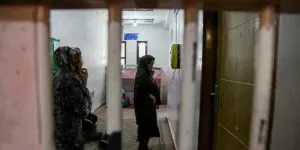
The conditions in Dolatabad Prison violate multiple human rights standards:
- No Separation of Crimes: Housing political prisoners with dangerous criminals endangers lives and violates international law.
- Poor Hygiene and Nutrition: Unsanitary conditions and malnutrition constitute physical and psychological torture.
- Psychological Abuse: Using inmates to harass others and constant surveillance amount to indirect torture.
- Restricted Visitation Rights: Limiting family contact and humiliating visitors violate basic human rights.
- Corruption and Abuse: Fabricated charges and forced labor reflect a gross miscarriage of justice.
These violations contradict Iran’s obligations under international agreements, prohibiting cruel, inhuman, or degrading treatment.
Follow Iran Human Rights Society on social networks:
Telegram /Twitter /Instagram / YouTube / Facebook
Join Iran Human Rights Society on Twitter






Discussion about this post