
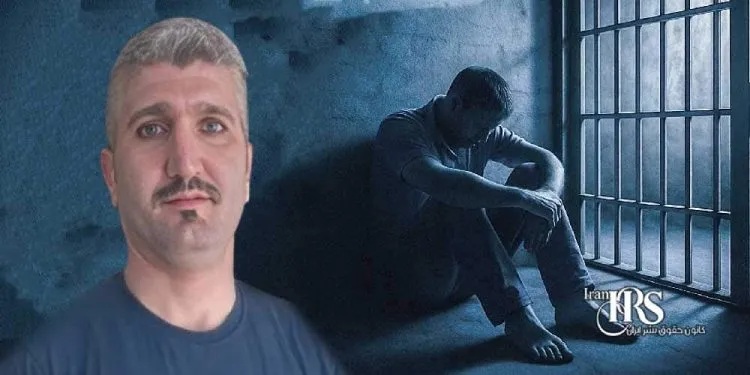
Zulfikar Yazdandoost and five political prisoners vanished after protesting inhumane conditions. Demand transparency to stop Iran’s secret transfers and abuses.
Iran Human rights Society, August 14, 2025- On August 14, 2025, Zulfikar Yazdandoost and five other political prisoners disappeared after a forced transfer from Gonbadkavous Prison. Their protests against brutal conditions prompted this secretive move to an unknown location. Families remain in the dark, and authorities stay silent. This article examines the prisoners’ plight, the violations they face, and the urgent need for global action to ensure their safety.
Protests Trigger Violent Transfer
Zulfikar Yazdandoost and five others, part of the “No to Execution Tuesdays” campaign, protested inhumane conditions in Gonbadkavous Prison. Overcrowding, poor food, bedbug infestations, and forced floor-sleeping fueled their dissent. On June 9, 2025, after renewed protests, guards violently transferred them to an undisclosed location. Previously, they endured solitary confinement for similar actions. Authorities provide no information, raising fears of further abuse or execution.
Zulfikar Yazdandoost’s Ordeal

Born in 1981 in Azadshahr, Zulfikar Yazdandoost, a married father, was arrested in June 2024. Sentenced to one year in prison and 74 lashes for “disrupting public order,” he faced lashings in December 2024 and April 2025. Despite his frail health, Judge Jalali-Tabar enforced the punishment. A 200 million toman fine, which he couldn’t pay, extended his sentence. His protests against cruel treatment led to further penalties, highlighting Iran’s use of physical and financial pressure to silence dissent.
Inhumane Prison Conditions
Gonbadkavous Prison’s conditions worsened after a recent 12-day war, with overcrowding turning prayer halls into holding areas. Prisoners sleep on floors, battling bedbugs and hunger from inadequate, low-quality food. These conditions violate basic human rights, yet authorities ignore complaints. The prisoners’ protests aimed to expose this cruelty, but instead, they faced violent retaliation and secretive transfers, cutting them off from families and lawyers.
- Executions in Iran: A Growing Concern for Human Rights
- Structural Corruption in Ghezel Hesar Prison: A Drug Trade Empire
Families’ Desperate Plea
Families of the six prisoners have repeatedly contacted judicial and prison officials, seeking answers. Authorities offer no clarity, heightening fears of secret executions or torture. The lack of communication isolates families, amplifying their distress. They urge public and international pressure to force transparency and protect their loved ones from further harm. Silence from officials only deepens the crisis.
Human Rights Violations Exposed
The case reveals multiple violations:
- Arbitrary Detention: Secret transfers without informing families breach Article 9 of the Universal Declaration of Human Rights.
- Torture and Cruel Punishment: Lashings and inhumane conditions violate Article 5.
- Unfair Trials: Lack of legal access and opaque proceedings defy Article 10.
- Inadequate Living Standards: Poor food and hygiene violate Article 25. These abuses reflect Iran’s systematic campaign to suppress political prisoners through fear and isolation.
Pattern of Repression in Iran
Iran’s prisons consistently target political prisoners with violence and neglect. Recent cases, like the beating of Mehdi Ali Ghourchi on August 13, 2025, in Arak Prison, show a broader pattern. Secret transfers, as seen with five other prisoners on August 8, 2025, often precede executions. This strategy aims to break prisoners’ spirits and deter dissent, revealing the regime’s fear of opposition.
Global Call for Action
Human rights organizations demand immediate disclosure of the prisoners’ whereabouts. They call for an end to lashings, solitary confinement, and secret transfers.
The forced transfer of Zulfikar Yazdandoost and five political prisoners underscores Iran’s brutal tactics against dissenters. Their protests against inhumane conditions led to a secretive move, leaving families in anguish.
Follow Iran Human Rights Society on social networks:
Telegram /Twitter /Instagram / YouTube / Facebook
Join Iran Human Rights Society on Twitter







Discussion about this post