
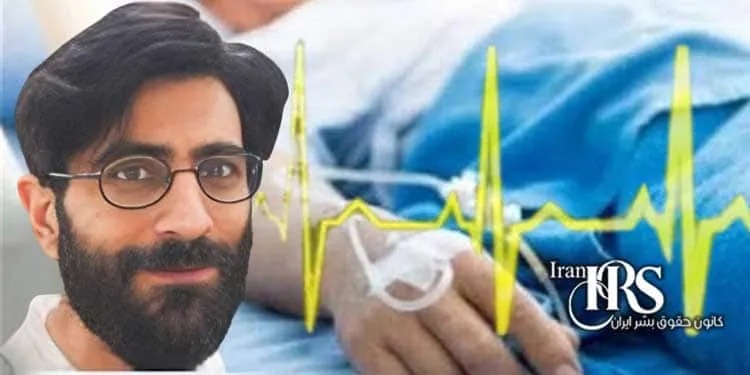
Aman Jalali-Nejad, a political prisoner in Sheyban Prison, faces critical health issues and denied medical treatment, violating human rights. Urgent action needed!
Iran Human Rights Society, Sunday, August 16, 2025** – Aman Jalali-Nejad, a political prisoner in Sheyban Prison, Ahvaz, endures severe health deterioration due to denied medical treatment. His leg, swollen and discolored, signals a life-threatening condition. Authorities continue to block his hospital transfer, raising urgent human rights concerns. This article explores his dire situation and the systemic violations he faces.

Severe Health Issues in Sheyban Prison
Aman Jalali-Nejad, held in Ward 5 of Sheyban Prison, suffers from extreme leg swelling, turning red and black from ankle to knee. For months, he has relied on painkiller injections to sleep briefly at night. Last week, he underwent an MRI during a brief hospital visit, yet no substantial treatment followed. Poor prison hygiene has also caused skin diseases, while torture effects aggravate his shoulder, neck, and spine. The prison’s outdated medical equipment and lack of medication prevent adequate care. Doctors insist on an urgent hospital transfer, but authorities refuse, endangering his life.
Arrest and Ongoing Legal Limbo
Security forces arrested Aman Jalali-Nejad, a teacher and painter, on April 8, 2024, at Ahvaz’s entrance. Initially detained in a security center, he faced interrogations before transfer to Sheyban Prison’s quarantine ward, then its security ward. This move, activists claim, aims to heighten psychological pressure. Despite registering a legal representation contract, authorities deny him access to a lawyer, stalling his case. This violates fair trial principles, leaving him in legal limbo.
Unclear Charges Fuel Arbitrary Detention
Authorities have not clearly communicated charges against Jalali-Nejad, despite extending his detention. This violates criminal law requiring transparency about detention reasons. A respected teacher and artist in Khuzestan, his arrest likely stems from civil and cultural activities, not criminal acts. His family and associates stress his innocence, highlighting the political nature of his detention.
Denial of Medical Care: A Form of Gradual Killing
Human rights activists label the denial of medical treatment to Jalali-Nejad as “gradual killing.” His critical condition, worsened by prison conditions, demands immediate hospital care. The lack of proper medical attention violates his right to health and well-being. Furthermore, harsh detention conditions, including reported torture, exacerbate his suffering. Activists urge his immediate release or, at minimum, transfer to a specialized hospital.
Systemic Violations in Sheyban Prison
Jalali-Nejad’s case highlights broader issues in Sheyban Prison. The facility’s poor hygiene, inadequate medical resources, and refusal to allow hospital transfers endanger many prisoners. Moreover, denying legal representation and withholding charges reflect systemic abuses. These conditions not only harm Jalali-Nejad but also underscore the urgent need for reform in Iran’s prison system.
Aman Jalali-Nejad’s plight demands immediate attention. His critical health, combined with unlawful detention practices, signals a grave injustice. International human rights organizations call for pressure on Iranian authorities to ensure his hospital transfer and address these violations. Without swift action, his life remains at risk, underscoring the need for global awareness and intervention.
- Raheleh Rahemipour’s Life-Threatening Ordeal
- Urgent Crisis: Political Prisoners in Iran Face Grave Danger
Follow Iran Human Rights Society on social networks:
Telegram /Twitter /Instagram / YouTube / Facebook
Join Iran Human Rights Society on Twitter






Discussion about this post