
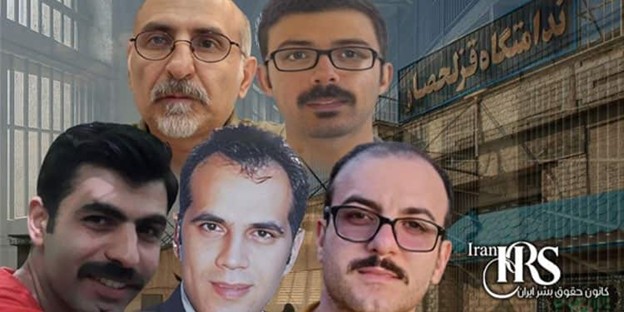
Iran’s Ghezel Hesar Prison holds five political prisoners incommunicado, facing death sentences. Families demand transparency amid fears of torture and execution.
Iran Human Rights Society, Saturday, August 16, 2025 – Political prisoners in Iran, including Vahid Bani-Amerian, Pouya Ghobadi, Akbar Daneshvar, Babak Alipour, and Mohammad Taghavi, endure severe human rights abuses. Authorities transferred these five men to Ghezel Hesar Prison on August 8, 2025, under violent conditions. Now held in quarantine, they face a communication blackout and visitation ban, raising fears of torture and secret executions. Families remain in distress, demanding answers. This article explores the crisis, its implications, and the urgent need for international action.
Violent Transfer Sparks Alarm
On August 8, 2025, authorities forcibly moved the five political prisoners from Fashafouyeh Prison to Ghezel Hesar. Witnesses report severe beatings during the transfer, with armed security forces ensuring compliance. Prison officials isolated the prisoners, preventing protests. This violent transfer, coupled with a lack of transparency, signals a deliberate attempt to suppress dissent. Families received no prior notice, intensifying their fears.

Communication Cutoff and Visitation Ban
Since their transfer, the prisoners remain in Ghezel Hesar’s quarantine section, cut off from all contact. The prison warden, acting on higher orders, banned phone calls and visits. This isolation leaves families in anguish, unaware of their loved ones’ health or status. Activists warn that such measures often precede torture or executions. The lack of information fuels suspicions of severe physical harm, as authorities provide no updates.
Imminent Execution Risk
The death sentences heighten fears of imminent executions. Charges stem from flawed trials lacking fair process. Ghezel Hesar’s history of secret executions amplifies concerns. Human rights groups urge immediate global intervention to prevent a tragedy.
- Who Is Mohammad Taghavi Sangdehi? A Political Prisoner Facing Execution
- Raheleh Rahemipour’s Life-Threatening Ordeal
Families Demand Accountability
Families of the prisoners demand clarity from judicial and prison authorities. They face profound distress, unable to confirm their loved ones’ safety. Consequently, they call on the international community to pressure Iran for transparency. The lack of communication violates basic rights, leaving families powerless. Their pleas echo a broader call for justice amid Iran’s escalating crackdown on dissent.
Human Rights Violations Exposed
The treatment of these political prisoners in Iran violates international law. Specifically, the communication cutoff breaches the right to liberty and security. It also denies fair trials and legal counsel. Furthermore, reports suggest brutal treatment, violating prohibitions on torture. Such secrecy constitutes a serious crime. These actions reflect Iran’s disregard for global human rights standards.
Ghezel Hesar’s Dark Legacy
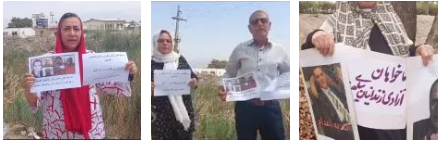
Ghezel Hesar Prison serves as a hub for suppressing political dissent. Its history includes mass executions and forced disappearances. The unit where the five men are likely held isolates inmates, denying them basic rights. This pattern of violence and secrecy underscores the prison’s role in silencing opposition. International scrutiny is critical to expose these abuses.
Urgent Call for Global Action
Human rights organizations demand immediate action. They urge global leaders to investigate and halt potential executions. The Iranian opposition echoes this call, emphasizing the need for transparency. Without swift intervention, these prisoners face grave danger. The international community must act to protect their lives and uphold justice.
Follow Iran Human Rights Society on social networks:
Telegram /Twitter /Instagram / YouTube / Facebook
Join Iran Human Rights Society on Twitter







Discussion about this post