
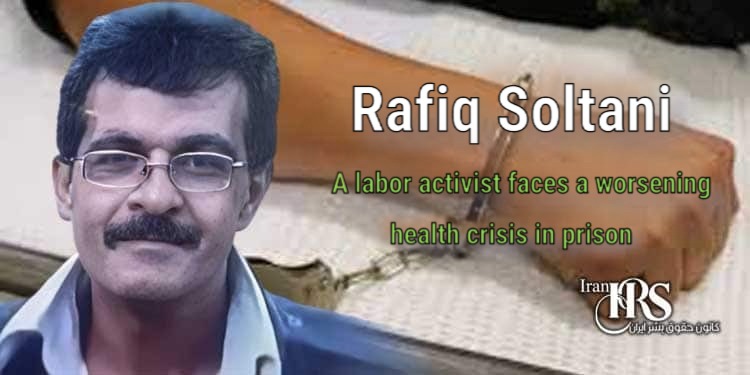
Rafiq Soltani, a Sanandaj labor activist, faces a worsening health crisis in prison. Denied medical treatment after torture, his case demands urgent global attention.
Iran Human Rights Society, Saturday, August 30, 2025 – Rafiq Soltani, a dedicated labor activist from Sanandaj, endures a critical health crisis in prison. Arrested in December 2022, he suffered severe torture, causing lasting damage to his shoulder and ear. Authorities deny him medical treatment, exacerbating his condition. Sentenced to nine years, Soltani faces ongoing human rights violations, highlighting Iran’s harsh repression of labor activists.
Rafiq Soltani’s Arrest and Torture
Security forces arrested Rafiq Soltani and his son, Fuad, on December 7, 2022, transferring them to the Sanandaj Intelligence Agency detention center. For over 50 days, Soltani endured brutal interrogations and torture, resulting in serious shoulder and ear injuries. Authorities provided no medical care during this period. Furthermore, they denied him access to a lawyer and family visits. On January 28, 2023, officials released him temporarily on a one-billion-toman bail, but his ordeal continued.
Unfair Trial and Harsh Sentence
The Sanandaj Revolutionary Court, led by Judge Taqizadeh, tried Soltani on July 16 and July 31, 2023. He faced charges of “waging war against God” (moharebeh), “forming illegal groups,” and “acting against national security.” Initially sentenced to 10 years, the court reduced his term to nine years after he accepted the verdict. However, the trial lacked fairness. Authorities denied Soltani an independent lawyer and ignored his defense, relying solely on security reports, a clear violation of fair trial standards.
Worsening Health Crisis
Rafiq Soltani’s health deteriorates daily. Torture-related injuries to his shoulder and ear, combined with other untreated medical issues, pose severe risks. Prison authorities refuse to transfer him to a medical facility, intensifying his suffering. Consequently, his family, fellow activists, and human rights groups express alarm, warning that continued neglect could lead to irreversible harm or even death. The denial of medical care underscores the inhumane treatment Soltani endures.
Denial of Fundamental Rights
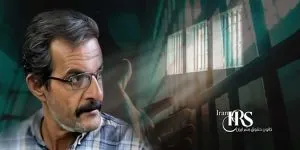
Since his arrest, authorities have stripped Soltani of basic rights. They block access to a lawyer, medical leave, regular family visits, and essential medical treatment. These actions violate international standards for prisoner rights, leaving Soltani vulnerable and isolated. His case reflects a broader pattern of repression targeting labor activists in Iran, where advocacy for workers’ rights often leads to severe punishment.
Human Rights Violations in Soltani’s Case
Rafiq Soltani’s treatment breaches several principles of the Universal Declaration of Human Rights:
- Article 5: Torture and cruel treatment are prohibited. Soltani’s torture and resulting injuries violate this principle.
- Article 9: Arbitrary arrest and detention are banned. His prolonged detention without legal access contravenes this right.
- Article 10: Everyone deserves a fair trial. The court’s reliance on security reports and dismissal of Soltani’s defense violates fair trial standards.
- Article 25: Access to adequate healthcare is a right. Denying Soltani medical treatment disregards this principle.
Broader Context of Repression
Soltani’s case mirrors Iran’s escalating crackdown on labor activists. Human rights groups report that authorities target advocates with fabricated charges like “moharebeh” to silence dissent. In 2025, Iran executed 230 people, including eight women, many for political reasons. Soltani’s nine-year sentence and denial of medical care highlight the regime’s tactic of punishing activism with harsh imprisonment and neglect, aiming to deter workers’ rights movements.
Reactions from Activists and Organizations
Labor activists and human rights organizations urgently call for Soltani’s release or immediate medical treatment. They argue his charges stem solely from his peaceful advocacy for workers’ rights, not illegal activities. Colleagues emphasize that his critical health condition demands global attention. His case exemplifies Iran’s systemic repression, where labor activism triggers severe penalties, leaving activists and their families in distress.
Urgent Need for Action
Rafiq Soltani’s deteriorating health demands immediate action. Advocates urge the international community to pressure Iran to provide him medical care and reconsider his sentence. His case sheds light on the broader human rights crisis in Iran, where labor activists face torture, unfair trials, and neglect. By amplifying Soltani’s story, global voices can challenge Iran’s repressive tactics and push for justice.
Hope for Change
The international community must act swiftly to save Rafiq Soltani. Previous cases show that global pressure can sometimes lead to improved treatment or sentence reductions. However, Iran’s judicial system often upholds harsh verdicts, raising concerns about Soltani’s fate. Advocates call for sanctions, public campaigns, and diplomatic efforts to ensure Soltani receives medical treatment and a fair review of his case.
See also the below articles:
- Ehsan Faridi Death Sentence: A Young Student’s Struggle Amid Threats to Silence
- Political Prisoner Hamzeh Savari: A Life Marked by Injustice and Suffering
Follow Iran Human Rights Society on social networks:
Telegram /Twitter /Instagram / YouTube / Facebook
Join Iran Human Rights Society on Twitter


Discussion about this post