
Explore the chilling 3D video of Vakilabad Prison Ward 5, revealing repression, isolation, and human rights violations in Mashhad’s notorious detention center.
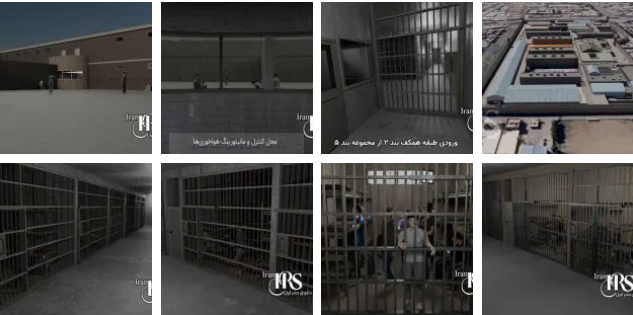
Iran Human Rights Society, Saturday, September 3, 2025 – Vakilabad Prison Ward 5 in Mashhad stands as a stark emblem of repression and human suffering. Known for its role in the 1988 mass executions, this ward symbolizes systematic human rights violations. For the first time, a 3D video reconstruction, crafted from survivors’ testimonies and architectural data, reveals the brutal conditions within. This article explores Ward 5’s oppressive design, its dark history, and its enduring legacy, shedding light on a grim chapter of Iran’s past. Join us to uncover the truth behind this notorious prison ward.
Inside Vakilabad Prison Ward 5
Vakilabad Prison in Mashhad ranks among Iran’s most notorious detention centers. Ward 5, in particular, carries a haunting reputation. It served as a hub for torture, isolation, and executions, especially during the 1980s. Survivors describe it as a place engineered to crush human spirits. The recent release of 3D images, based on former prisoners’ accounts and confidential notes, offers a vivid glimpse into its oppressive environment. These visuals expose a structure designed for control, not human welfare. Unlike modern prisons, Vakilabad prioritizes punishment over dignity, making it a symbol of systemic cruelty.
Architecture Built for Repression
Ward 5’s design maximizes isolation and suffering. Spanning two floors, the ward divides into three sections, separated by iron doors and towering walls. The so-called “quarantine” area, a misnomer, isolates prisoners rather than protects them. It contains two halls and 24 solitary confinement cells—12 per floor—dedicated to political prisoners. Testimonies reveal prisoners endured years in these dark, windowless cells, devoid of contact. These spaces, lacking ventilation or light, served as tools for psychological torture and physical decline.
Elsewhere, Ward 5’s 52 cells housed up to 12 prisoners each. Severe overcrowding, poor ventilation, and scarce facilities created unbearable conditions. Breathing felt like a chore; surviving felt nearly impossible. Metal sheets blocked windows, eliminating natural light. High walls isolated wards like islands, destroying any sense of solidarity. This deliberate architecture ensured prisoners felt hopeless, making Ward 5 a machine of slow, silent destruction.
The 1988 Massacre: A Bloody Legacy
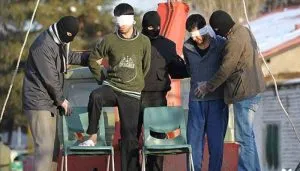
During the 1980s, particularly in the summer of 1988, Ward 5 became a central site for mass executions of political prisoners. Survivors’ accounts paint a grim picture: only a handful escaped Sub-Ward 2, and just one person survived the quarantine section. The rest faced secret hangings, their bodies buried in unmarked mass graves. Many families still search for answers about their loved ones’ fates. These executions, conducted in secrecy, mark a bloody period of repression.
International organizations, including Amnesty International and the UN Special Rapporteur, label these acts as crimes against humanity. The 1988 massacre highlights Ward 5’s role in organized violence. Survivors’ stories demand justice, ensuring this tragedy remains a call for accountability. Their voices keep the memory of those lost alive, urging the world to confront this dark history.
Psychological Torture: A Daily Reality
Ward 5’s horrors extended beyond physical confinement. Political prisoners witnessed brutal punishments, such as hand amputations near Ward 1. These gruesome scenes, visible from cell windows, aimed to shatter spirits. The women’s ward, located next to Ward 1, amplified the torment. Screams of tortured women pierced the night, robbing others of sleep. The constant sounds of chains, whips, and cries defined Ward 5’s atmosphere. The heavy silence following torture felt equally crushing, haunting prisoners’ minds. This psychological warfare, part of a systematic policy, aimed to break resistance and instill fear.
3D Video: Visualizing the Unseen
The newly released 3D video of Vakilabad Prison Ward 5 brings survivors’ accounts to life. It depicts cramped, dark cells lacking basic amenities. Built from precise architectural data and testimonies, the reconstruction shows how the prison’s design enforced suffering. Every wall, lock, and corridor embodies “structural violence.” This visual tool transforms oral stories into undeniable evidence, strengthening demands for justice. By showing the world Ward 5’s reality, the video ensures these atrocities remain in focus, pushing for accountability.
Human Rights Violations in Ward 5
Ward 5’s conditions violated numerous international human rights standards:
- Article 3 (Universal Declaration of Human Rights): Mass executions defied the right to life and security.
- Article 5: Prolonged solitary confinement and torture breached bans on cruel treatment.
- Article 9: Arbitrary detentions ignored fair judicial processes.
- Article 10: Minutes-long trials without legal representation violated fair trial rights.
- Articles 18 and 19: Imprisonment for political or religious beliefs suppressed freedom of thought and expression.
These violations reveal Ward 5 as a deliberate system to silence dissent. Its legacy calls for global scrutiny and action to address these injustices.
The Power of 3D Reconstruction
The 3D video of Ward 5 transcends mere documentation. It equips human rights activists, journalists, and organizations with a powerful tool. Images carry undeniable weight, challenging attempts to dismiss survivors’ accounts. They amplify pressure for international accountability, turning oral testimonies into visual evidence. By depicting the prison’s harsh realities, the reconstruction preserves history and fuels advocacy. It ensures the world cannot ignore the suffering endured in Vakilabad Prison Ward 5.
A Symbol of Resistance and Memory
Ward 5 remains a potent symbol of Iran’s darkest historical periods. Survivors share their stories not for revenge but to prevent repetition. These accounts, now vivid through 3D imagery, honor those who resisted despite unimaginable odds. They form a living document of Iran’s collective memory, grappling with the wounds of the 1980s. Ward 5’s history imposes a duty on society: document, preserve, and never forget. By keeping these stories alive, we ensure future generations learn from this tragic past.
The release of the 3D video marks a pivotal moment. The images demand accountability for past atrocities and vigilance to prevent future ones. Survivors’ resilience inspires us to act, ensuring their voices echo beyond the prison walls. Ward 5’s story challenges us to uphold justice and protect human dignity, no matter the cost.
See also the below articles:
- Prisoners in 51 Iranian Prisons Demand an End to Executions in the 84th Week of No to Execution Tuesdays
- Surge in Executions in Iran Sparks Global Concern
Follow Iran Human Rights Society on social networks:
Telegram /Twitter /Instagram / YouTube / Facebook
Join Iran Human Rights Society on Twitter








Discussion about this post