
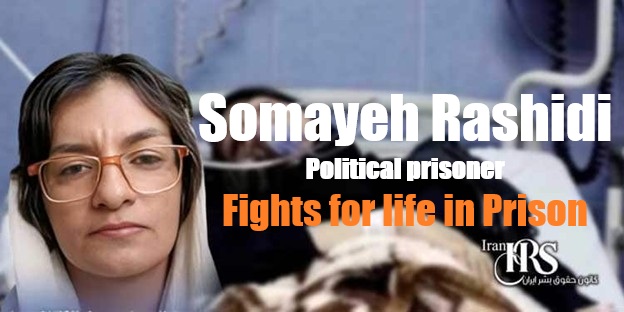
Somayeh Rashidi, Iranian political prisoner, fights for life in Qarchak Prison after epilepsy neglect
Iran Human Rights Society, Saturday, September 20, 2025 – Somayeh Rashidi endures a critical fight as a political prisoner in Qarchak Prison, Varamin. Authorities ignored her epilepsy seizures for months. Now, her consciousness level sits at 5. Doctors fear the worst. This case exposes Iran’s prison medical neglect. It demands global action. Rashidi’s story highlights systemic abuse against women dissenters. Her arrest for simple slogan-writing led to this horror. Prison staff called her seizures “faking.” They delayed hospital transfer. Finally, on September 16, 2025, they rushed her to Mofatteh Hospital. Yet, hope fades fast. Human rights groups sound alarms. They urge immediate intervention. Without it, Rashidi may not survive.
Somayeh Rashidi’s Epilepsy Labeled as “Faking” in Prison

She battles epilepsy for years. This condition triggers sudden seizures and blackouts. She entered Qarchak Prison with complaints. Headaches plagued her daily. Symptoms worsened quickly. However, prison doctors brushed it off. They accused her of “faking.” Staff handed out useless pills. General sedatives did nothing for epilepsy. Nerve drugs mismatched her needs entirely.
A close source reveals the truth. “Somayeh collapsed repeatedly before cellmates,” the source says. “Seizures hit hard. Yet, the doctor insisted she faked it.” Only crisis forced action. Authorities delayed transfer for hours. Now, her consciousness scores a mere 5. That’s coma territory. Doctors nearly abandon hope. This neglect goes beyond error. It serves as “white torture.” Prison bosses weaponize illness against inmates. Rashidi’s pain underscores this cruel tactic. Furthermore, it violates basic care rights.
Intense Seizures Force Delayed Hospital Transfer
Seizures struck Somayeh Rashidi hard on September 16, 2025. They came in waves, one after another. Cellmates rushed to help. They held her up as she thrashed. Unconsciousness gripped her tight. Guards resisted calls for aid. Hours passed in agony. Finally, they relented. Paramedics wheeled her to Mofatteh Hospital in Varamin.
Doctors there assessed the damage. Her consciousness level? Critically low at 5. They called her state “dangerous.” Unpredictable turns loomed. Family members flocked to the hospital. They begged for updates. But restrictions blocked them. Like other political prisoner kin, they got silence. No visits allowed. No treatment details shared. This secrecy adds insult to injury. Therefore, activists cry foul. They push for transparency now.
Arrest Over Slogans in Tehran Neighborhood
Somayeh Rashidi entered the system on April 24, 2025. Born in 1983, she calls Tehran home. That day, security forces nabbed her. She wrote protest slogans in Javadieh. Simple words of dissent. Interrogators grilled her for two days. They held her at Aghahi 15 Khordad center. Then, they shipped her to Evin’s women’s ward.
Fate twisted soon after. An Israeli missile hit Evin Prison. Chaos erupted. Guards scrambled. They exiled dozens of women. Rashidi joined the forced march to Qarchak in Varamin. Her charge? “Propaganda against the regime.” Authorities slap this label on minor acts. It silences voices fast. In recent years, it crushes even quiet protests. Rashidi’s case fits the pattern. She voiced opposition. Now, she pays with her health.
Qarchak Prison: A Toxic Hell for Women Inmates
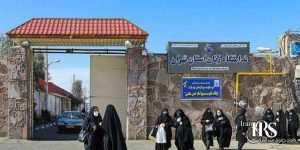
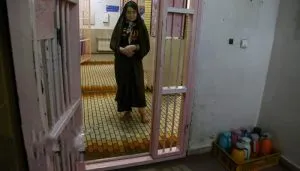
Qarchak Prison earns its grim fame. It ranks among Iran’s worst women’s jails. Filth overruns every corner. Overcrowding chokes the air. Medication stocks run dry often. Guards lash out with violence. This brew turns it inhumane. Even strong inmates break. Skin rashes spread like fire. Respiratory woes choke breaths. Digestive ills twist guts.
Somayeh Rashidi suffered in this pit. No treatment facilities exist. Instead, conditions fuel diseases. Her epilepsy exploded here. Cellmates pitched in daily. They helped with basics. Her strength ebbed away. Many prisoners face the same doom. Qarchak doesn’t heal. It harms. Reports from inside paint a dire picture. Power cuts hit during heat waves. Water turns undrinkable. Chronic cases like Rashidi’s get ignored. This setup breeds death.
Blatant Human Rights Violations in Rashidi’s Case
Iran’s prisons flout global standards. Somayeh Rashidi’s ordeal proves it. They deny her epilepsy care. This act screams violation. Consider Article 5 of the Universal Declaration of Human Rights. It bans torture or cruel treatment. Withholding meds counts as “white torture.” Rashidi endures that pain.
Article 25 guarantees health rights. Everyone deserves medical care. Prisons must provide it. Yet, Qarchak fails. The Nelson Mandela Rules demand equal services for inmates. Outside folks get better. Rashidi gets nothing. Article 10 of the International Covenant on Civil and Political Rights calls for dignity. Her case shatters that ideal. Guards mock her seizures. Delays risk her life. These breaches demand accountability. International watchdogs must act.
Double Oppression Targets Female Political Prisoners
Women like Somayeh Rashidi face extra layers of hell. Iran’s system doubles down on them. Political charges hit hard. Gender amps the cruelty. Qarchak exile from Evin? That’s policy. It exiles covertly. It pressures without mercy. Female voices get muffled first. Harsh cells await. Medical neglect strikes deeper.
Rashidi embodies this fight. She protested peacefully. Now, she teeters on death’s edge. Her story mirrors thousands. Activists spotlight the pattern. They call for gender-specific reforms. Silence enables the abuse. Therefore, global allies must amplify these cries.
Urgent Calls to Save Somayeh Rashidi’s Life
Doctors hold slim hope for Somayeh Rashidi. Her clock ticks down. Yet, proper care offers a shot. Family clings to that thread. Human rights voices join them. They demand access now. “Treat her fully,” they insist. International groups stay quiet at peril. A tragedy brews in Qarchak otherwise.
Rashidi stands as a stark symbol. Iran’s justice system crushes dissent. Prisons turn deadly silent. She wrote slogans. That’s her “crime.” Illness? Dismissed as lies. Treatment? Withheld till too late. Her brink-of-death fate questions everything. Justice? A myth here. Dissenters die unheard. The world watches. Will it respond? Pressure mounts for change. Save Rashidi. End the neglect.
See also the below articles:
- Vakilabad Prison Quarantine Ward: A Symbol of Repression and Oblivion
- 90-Day Uncertainty for Farbed Hassanvand; 22-Year-Old Political Prisoner with Prosthetic Leg in Masjed Soleyman Prison
Follow Iran Human Rights Society on social networks:
Telegram /Twitter /Instagram / YouTube / Facebook
Join Iran Human Rights Society on Twitter



Discussion about this post