
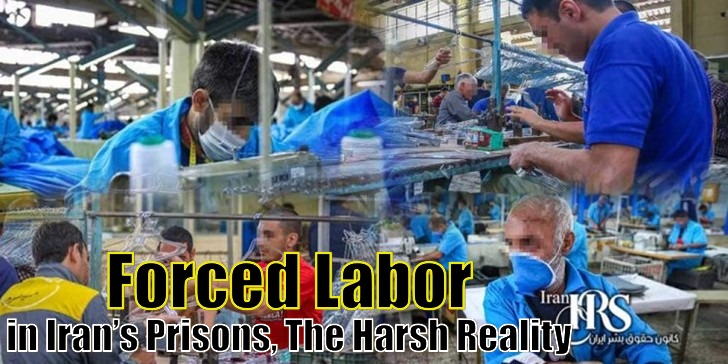
Iran’s prisons exploit prisoners through forced labor, paying meager wages without insurance, violating human rights for profit.
Iran Human Rights Society, Saturday, September 27, 2025 – Iran’s prison system, often portrayed as a hub for prisoner rehabilitation, hides a grim reality: forced labor that fuels massive profits for the Prisoners’ Cooperative Foundation and affiliated industries. Investigations expose this system as modern slavery, stripping prisoners of basic rights while generating wealth for the regime and employers. This article uncovers the truth behind this exploitative practice, revealing how prisoners endure meager wages, no insurance, and harsh conditions.
Forced Labor in Iran’s Prisons: The Harsh Reality
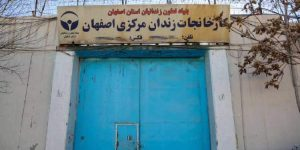
Soroush Nik-Akhtar, head of the Prisoners’ Cooperative Foundation in Isfahan, recently claimed that over 4,300 prisoners work in 80 workshops across the province. In the first six months of 2025, these prisoners earned over 90 billion tomans (approximately $2.14 million USD). However, their monthly wages average just 3 million tomans (about $71 USD)—far below Iran’s minimum wage. Worse, prisoners receive no mandatory insurance, leaving them vulnerable and exploited.
This system thrives on cheap labor. By denying prisoners fair wages and benefits, the Cooperative Foundation and its contractors maximize profits. Consequently, prisoners remain trapped in a cycle of poverty and exploitation, with no path to true rehabilitation.
Why Do Prisoners Lack Insurance?
Nik-Akhtar openly admitted that an agreement between the Prison Organization, the Ministry of Labor, and Social Security exempts prisoner employment from mandatory insurance. He called this an “incentive for employers.” In reality, this policy allows businesses to exploit prisoners without legal obligations, cutting costs while reaping enormous profits.
Instead of standard workers’ insurance, prisoners receive only “liability and accident” coverage, which offers minimal protection. This arrangement prioritizes employer gains over human rights, reducing prisoners to disposable labor.
Who Benefits from Forced Prison Labor?
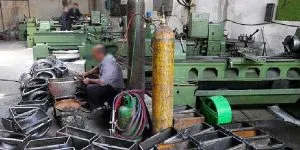
The Prisoners’ Cooperative Foundation and its affiliated industries profit immensely from this system. By paying prisoners meager wages and avoiding insurance costs, they generate one-sided economic gains. Furthermore, the low cost of prison labor incentivizes prolonged incarceration, as the system relies on a steady supply of cheap workers.
This raises a troubling question: are prisoners kept behind bars to serve as a source of profit rather than for justice or reform? The evidence suggests that exploitation, not rehabilitation, drives this system.
Does Forced Labor Promote Rehabilitation?
Authorities claim prisoner employment reduces recidivism and aids rehabilitation. However, true reform requires freedom, fair wages, and opportunities in society. Forcing prisoners to work in harsh conditions for minimal pay does not rehabilitate; it entraps them in exploitation. Moreover, without insurance or adequate income, prisoners cannot support themselves or their families, further hindering reintegration.
If the regime truly aimed to reduce crime, it would release prisoners and provide stable, insured jobs in society. Instead, the current system perpetuates poverty and dependency, undermining any claim of rehabilitation.
Forced Labor vs. Legitimate Work
Legitimate work offers freedom of choice, fair compensation, and benefits like insurance. In contrast, Iran’s prison labor system forces prisoners to work under duress, paying them wages that fail to meet basic living standards. Without insurance or rights, this practice mirrors modern slavery, not legitimate employment.
Human Rights Violations in Prison Labor
Iran’s forced labor system violates several articles of the Universal Declaration of Human Rights:
- Article 4: No Slavery or Forced Labor Forcing prisoners to work without fair pay or insurance constitutes modern slavery.
- Article 23: Right to Fair Work Prisoners deserve the same labor rights as others, yet they receive none.
- Article 25: Right to Adequate Living Standards Meager wages prevent prisoners from meeting basic needs or supporting families.
- Article 10: Right to a Fair Trial Many prisoners, denied fair trials, remain incarcerated to provide cheap labor.
These violations expose the regime’s disregard for human dignity, turning prisons into profit-driven exploitation hubs.
Prisons as Exploitation Factories
Iran’s prisons no longer serve as places of justice or reform. Instead, they function as factories, generating wealth for the Cooperative Foundation and contractors. Prisoners, stripped of rights, become tools for profit, their dignity sacrificed for economic gain.
The Path to True Reform
For genuine rehabilitation, Iran must free prisoners and provide them with fair, insured jobs in society. Only then can they reintegrate and contribute meaningfully. However, the current system prioritizes profit over humanity, keeping prisoners enslaved in a cycle of forced labor.
Conclusion: End Forced Labor in Iran
Iran’s prison labor system is a blatant violation of human rights, exploiting prisoners for profit under the guise of rehabilitation. By denying fair wages, insurance, and freedom, the regime and its affiliates perpetuate modern slavery. True reform demands an end to forced labor and the creation of real opportunities for prisoners to rebuild their lives.
See also the below articles:
- Mai Sato Report: Exposing Iran’s Human Rights Violations on Women, Prisoners, and Minorities
- Bizhan Kazemi’s Harrowing Transfer to Evin Prison: 8 Months of Torture and Human Rights Violations
Follow Iran Human Rights Society on social networks:
Telegram /Twitter /Instagram / YouTube / Facebook
Join Iran Human Rights Society on Twitter







Discussion about this post