

Abolhassan Montazer battles critical illness in Qezel Hesar Prison after platelet plunge to 38,000. Authorities delay transfusions, shackle him, ignore meds. Demand action now to halt torture via denial.
Iran Human Rights Society, Sunday, September 28, 2025 – Abolhassan Montazer medical neglect shocks the world. This 65-year-old political prisoner endures agony in Qezel Hesar Prison. Authorities ignore his pleas for care. His platelet count crashed to 38,000—life-threatening levels. Fever ravages him. Chills grip his body. Yet, guards shackle him during hospital waits. Therefore, his condition spirals. Human rights groups cry foul. They label it torture. Read on to uncover this deliberate cruelty and join calls for justice.
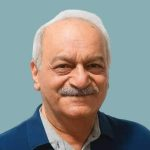
Abolhassan Montazer suffers greatly these days. He fights persistent fever. Chills shake him constantly. Prison officials finally moved him to the central infirmary. An emergency test stunned everyone. His blood platelet count hit just 38,000. Normal levels start at 150,000. Danger loomed large.
They rushed him to Imam Ali Hospital in Karaj. However, hope faded fast. Staff left him handcuffed to a chair. Twenty-four hours passed without a bed. No doctor checked him. Guards denied even hospital food. His life hung by a thread. This neglect screamed priorities: politics over people.
Montazer’s history adds heartbreak. Born in 1959 in Tehran, he faced arrests under the Shah. In 1977, authorities jailed him for six months in Vakilabad Prison, Mashhad. During military service, army’s Rukn 2 held him for 45 days. Post-revolution, on June 3, 1981, they grabbed him again in Mashhad. He served four years and three months. Freedom came in October 1985. But June 2018 brought chains once more—five years added. After transfer to Gohardasht Prison, he walked free on April 10, 2022. Tragically, on December 22, 2023, re-arrest struck. Now, in Qezel Hesar, beatings from guards worsen his fragile health. Delays in transfers seal his fate.
Prolonged Delays in Abolhassan Montazer Medical Neglect
After that endless wait, doctors admitted Montazer. New tests crushed spirits. His platelets dropped even lower. The physician demanded 10 units of platelets right away. Yet, the hospital stalled for three full days. They blamed blood shortages.
Severe nosebleeds struck first. Blood poured for six hours. He gasped for air. Subcutaneous bleeding marred his hands. Rectal bleeding appeared from nowhere. He lost consciousness repeatedly. Hallucinations tormented his mind. Agony defined every moment.
Finally, after five agonizing days, they gave him only five units. His count climbed to 104,000. Still, it fell short of the safe 150,000 mark. Progress mocked him. Without full treatment, risks multiplied. Doctors shook their heads in frustration.
This pattern echoes wider woes. Reports from early 2025 highlight similar fates. Khaled Pirzadeh, Mokhtar Albushokeh, and others faced the same denial. Systemic failure claims lives quietly.
Prison Blocks Vital Medication for Abolhassan Montazer
The doctor prescribed two key injections next. These boosters promised to lift his platelets. Montazer needed them desperately. However, prison bosses refused outright. They pointed fingers at the hospital. The hospital fired back—your job, they said. A cruel standoff ensued.
Treatment stalled completely. Montazer’s recovery teetered on the edge. Without those shots, his body weakened further. Authorities chose control over compassion. This refusal deepened the neglect.
Experts decry such tactics. They see clear intent: break the spirit through the body. Montazer’s case fits the mold perfectly.
Human Rights Violations in Abolhassan Montazer Medical Neglect

Violations pile up in Montazer’s nightmare. For those first 24 hours, handcuffs bit into his wrists on that hospital chair. No care arrived. No food nourished him. Despite promises, ankle shackles clamped on for two days. He offered to pay 2.5 million tomans for outside tests. Guards blocked it anyway.
Security forces endanger him deliberately. They flout every rule. Amnesty International spotlighted this in January 2025. Montazer suffers severe chest and lung pain from beatings and cold cells. Yet, executions loom for him and five others on “armed rebellion” charges. Trials reek of unfairness—torture extracts confessions.
These acts scream torture. They mock justice. Global watchdogs demand probes.
Urgent Medical Needs Ignored in Abolhassan Montazer Case
Doctors list clear steps to save him. First, specialized tests outside prison—about 2.5 million tomans. Second, those critical injections to spike platelets—15 million tomans worth. Third, re-admission to probe abdominal protrusion into his chest. Fourth, a hematologist’s review for results and plans.
None happen yet. Authorities shipped him back half-healed. His life dangles perilously. Prison’s medical chief admitted transfer plans existed. But bosses reneged on promises. Risk shadows every breath.
See also the below articles:
- Hossein Ronaghi’s Condition Worsens: Fourth Day of Dry Hunger Strike in Iranian Prison
- Iran Execution Alert: Amnesty Urges Halt to Peyman Farhavar Death Sentence Amid Political Repression
Follow Iran Human Rights Society on social networks:
Telegram /Twitter /Instagram / YouTube / Facebook
Join Iran Human Rights Society on Twitter





Discussion about this post