
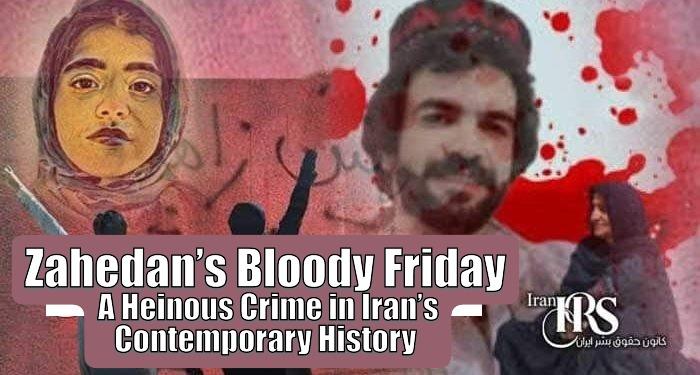
Over 100 killed by Iranian forces on Sept 30, 2022. Discover the massacre’s causes, victims, and ongoing protests for justice.
Iran Human Rights Society, Tuesday, September 30, 2025– Zahedan Bloody Friday, on September 30, 2022, stains Iran’s history. Security forces gunned down over 100 unarmed Baluch protesters and worshippers in Zahedan. This massacre sparked outrage across Iran and the world. Families demand accountability. Weekly protests continue, defying the regime’s oppression. Zahedan Bloody Friday remains a symbol of resistance.
Roots of Zahedan Bloody Friday Protests
Zahedan Bloody Friday began with a horrific revelation. Abdulghaffar Naghshbandi, Rask’s interim prayer leader, exposed a police commander’s rape of a 15-year-old Baluch girl. This crime echoed systemic abuses in Baluchistan. Poverty and fear silenced victims for years. The regime’s courts failed them. Sham trials shielded perpetrators, fueling anger.
These protests joined the 2022 uprising after Mahsa Amini’s death. Baluch demands for justice gained nationwide support. Crowds chanted for solidarity. However, authorities planned a deadly response. They aimed to crush dissent. This set the stage for a brutal massacre.
Security Forces Attack Unarmed Crowds
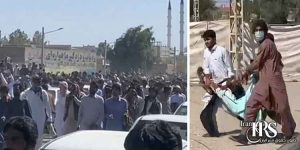
On September 30, 2022, thousands left Makki Mosque after prayers. They marched peacefully to Police Station 16. Security forces waited on rooftops. They opened fire with live rounds. Bullets struck protesters and worshippers. Snipers targeted heads and chests, showing intent to kill.
Blood soaked the streets. Families fled in panic. Eyewitnesses described chaos. For instance, children fell beside elders. The attack turned a sacred day into a nightmare. Zahedan Bloody Friday became a deliberate act of terror.
Phases of the Zahedan Bloody Friday Crackdown

The violence unfolded in three waves. First, forces fired at marchers near the station. Second, survivors returned, seeing bloodied bodies. Third, IRGC units hunted people through Zahedan’s alleys. They used automatic weapons, snipers, and helicopters.
Videos exposed pre-positioned forces. Tear gas flooded mosque courtyards. The assault lasted hours. Furthermore, deliberate headshots proved planning. Protesters regrouped despite fear, showing extraordinary courage. This was no accident but a calculated massacre.
Human Cost of Zahedan Bloody Friday
Official reports cite 100 deaths and 300 injuries. Local sources estimate higher numbers. Many bodies vanished into unregistered village burials. Children and women suffered most. Hasti Narouei, aged 7, died from a tear gas canister to her head.
Zar Bibi Esmailzahi fell to a chest shot. Jaber Shiruzahi, 12, took a head wound. Mohammad Amin Gamshadzehi, 17, was shot in the heart. These names embody Baluch pain. Families face endless grief amid poverty.
| Victim Name | Age | Location of Death | Cause of Death |
| Hasti Narouei | 7 | Zahedan, Sistan and Baluchistan | Tear gas canister to the head |
| Zar Bibi Esmailzahi | – | Zahedan, Sistan and Baluchistan | Direct shot to the chest |
| Jaber Shiruzahi | 12 | Zahedan, Sistan and Baluchistan | Shot to the head |
| Mohammad Amin Gamshadzehi | 17 | Zahedan, Sistan and Baluchistan | Shot to the heart |
Baluch communities lack resources. They received bullets, not aid. Zahedan Bloody Friday’s scars linger.
Regime’s Lies to Cover Zahedan Bloody Friday
The regime denied the rape. They blamed “rioters.” They accused Baluch victims. Yet, Zahedan residents fought back. Protests spread to Khash and beyond. Social media shared videos of unarmed crowds under fire.
National support surged. Global voices amplified the truth. Therefore, the regime’s lies failed. Years of suppressed anger fueled this defiance. The Baluch refused to stay silent, demanding justice.
Planned Terror of Zahedan Bloody Friday
Zahedan Bloody Friday was premeditated. IRGC forces prepared days earlier. They took rooftop positions. Khamenei aimed to crush the uprising. He targeted Baluch defiance to scare others. This plan backfired.

Evidence shows intent. Shots avoided legs, hitting vital organs. Helicopters fired on homes. Tear gas choked worshippers. This massacre aimed to instill fear. Instead, it sparked resilience across Iran.
Ongoing Violence After Zahedan Bloody Friday
The horror didn’t end that day. IRGC forces shot into neighborhoods for two more days. Death tolls likely exceed the verified 103. Unregistered burials hid the scale. Survivors faced neglect.
Many injured lost limbs or sight. Poverty blocked medical care. Families crumbled under grief and debt. The regime’s follow-up deepened the wounds. Baluch communities bore the brunt.
Heartbreaking Stories of Zahedan Bloody Friday Victims
Hasti Narouei’s death broke hearts. A 7-year-old struck during prayer. Zar Bibi Esmailzahi shielded her child, only to fall. Jaber Shiruzahi crawled for safety but died. Mohammad Amin Gamshadzehi’s heart stopped from a sniper’s bullet.
Women aiding the wounded drew fire. Helicopters shot at homes. These stories reveal cruelty. They humanize the statistics. Each loss fuels the fight for justice. The Baluch honor their memory.

Social and Economic Fallout from Zahedan Bloody Friday
Impoverished Baluch suffered most. Victims lacked documents, blocking aid. Families lost breadwinners. Injuries led to amputations without support. Economic hardship worsened.
Livelihoods vanished overnight. Communities rallied, but resources stayed scarce. This tragedy amplified deprivation. It sparked calls for systemic reform. The Baluch demand better lives, not bullets.
National Unity Sparked by Zahedan Bloody Friday
Zahedan Bloody Friday united Iran. Protests followed every Friday prayer. Crowds chanted, “From Zahedan to Tehran, I sacrifice my life for Iran.” Baluch pain inspired the nation.
On the 40th day, strikes hit Kurdistan and Tehran. This event bridged divides. It turned local grief into collective resistance. The movement grew stronger, defying suppression.
Global Outcry Over Zahedan Bloody Friday
International bodies condemned the massacre. Amnesty International reported 82 Baluch deaths, including children. They decried live fire on worshippers. Human Rights Watch called it 2022’s deadliest protest day, with 12 killed and 30 injured in Zahedan.
The UN Fact-Finding Mission accused Khamenei of crimes against humanity. They noted 104 deaths that day. Reports urged accountability. These voices amplified Baluch pleas worldwide, demanding justice.
Families Demand Justice for Zahedan Bloody Friday
Victim families labeled it a crime against humanity. They rejected blood money as an insult. They targeted top perpetrators. On the 40th day, nationwide actions honored the dead.
Lawyers faced arrests. Evidence vanished. Yet, families persisted. Their statements rallied support. Justice remains elusive, but their resolve strengthens the movement.
Anniversary Protests Mark Zahedan Bloody Friday Legacy
On the first anniversary, demonstrations filled Zahedan, Rask, and Khash. Security forces fired, injuring dozens. Weekly protests became a symbol of resistance. They showed unbreakable spirit.
Three years later, in 2025, armored vehicles patrol Zahedan. Youth defy with acts of remembrance. Internet blackouts fail to silence them. Global webinars and Berlin rallies echo their call. Baluch voices grow louder.
Zahedan Bloody Friday: A Lasting Stain on Iran’s Record
Iran’s handling reeks of injustice. Low-ranking officers got 10-year terms. Senior officials escaped. Opacity shields the guilty. The UN Mission pins crimes against humanity on Khamenei. It lists murder and persecution. Zahedan Bloody Friday inspires hope amid horror. The case stays open.
See also the below articles:
- Hossein Ronaghi’s Condition Worsens: Fourth Day of Dry Hunger Strike in Iranian Prison
- Executions in Iran Surge in 2025: UN Rapporteur Mai Sato Warns of Rights Violations
Follow Iran Human Rights Society on social networks:
Telegram /Twitter /Instagram / YouTube / Facebook
Join Iran Human Rights Society on Twitter



Discussion about this post