
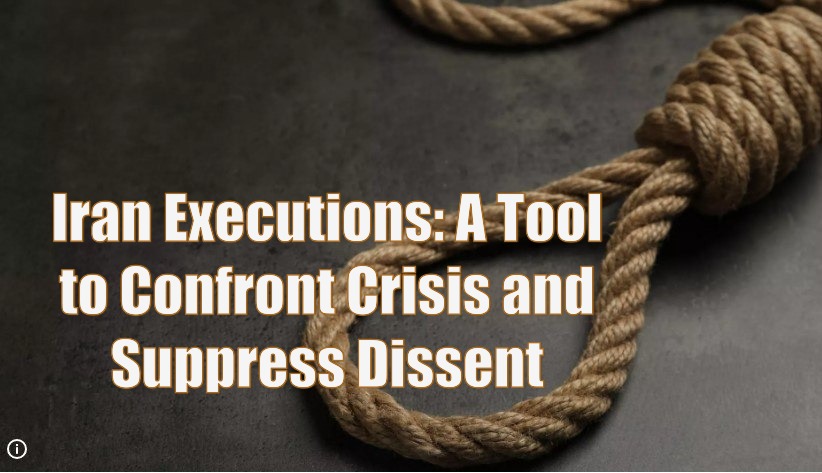
Iran executions surge as a tool to suppress dissent and instill fear. Explore how the regime uses this strategy to control society.
Iran Human Rights Society, Friday, October 10, 2025 – Iran executions have surged, reflecting the regime’s desperate attempt to maintain control amid political, economic, and social crises. The ruling dictatorship employs executions not as a response to crime but as a political weapon to silence opposition and spread fear. This article explores how Iran executions serve as a strategy to suppress dissent, violate human rights, and destabilize society, while highlighting their historical roots and ongoing impact.
Why Iran Executions Are on the Rise
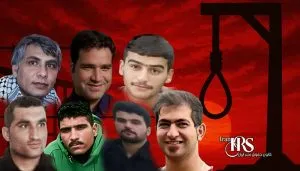
The increase in Iran executions stems from a volatile society demanding change and freedom. Continuous uprisings have shaken the regime, which fears a population that refuses to back down. Executions act as a tool to intimidate citizens and deter protests. Far from addressing ordinary crimes, these acts target political opponents, sending a clear message: any resistance will face severe consequences. This strategy aims to maintain the status quo but often fuels further unrest.
Politically Motivated Executions
Iran executions primarily target political dissenters rather than criminals. The regime uses these acts to eliminate opponents and create a culture of fear. By executing activists and protesters, the government discourages citizens from challenging its policies. However, ongoing uprisings show that this approach fails to silence the population. Instead, it highlights the regime’s insecurity and inability to address societal demands through dialogue or reform.
Unfair Trials and Human Rights Violations
The judicial process behind Iran executions lacks transparency and fairness. Many individuals face the death penalty due to poverty, unemployment, or economic hardships, not serious crimes. Courts often rush trials, deny legal counsel, and rely on fabricated evidence or forced confessions obtained through torture. International organizations condemn these practices as violations of human rights, emphasizing that Iran executions serve as a political tool to consolidate power rather than deliver justice.
Forced Confessions and Fabricated Evidence
Defendants in Iran face secret trials with little chance to defend themselves. Reports confirm that many execution verdicts rely on confessions extracted under torture or fabricated evidence. This blatant disregard for justice results in innocent people becoming victims of state-sponsored violence. Such practices not only violate international human rights standards but also erode trust in Iran’s judicial system, further alienating the population.
The Culture of Fear Through Political Executions
Iran executions aim to create a culture of fear and silence. By targeting political opponents, the regime seeks to deter social activism and protests. This strategy intends to force citizens into self-censorship, stifling dissent before it emerges. Yet, the persistence of uprisings over the past decade proves that fear tactics have not subdued the population’s desire for change. Instead, these executions expose the regime’s fragility.
Social and Psychological Toll of Executions
Iran executions impose severe psychological and social costs. Beyond the executed individuals, families, friends, and communities suffer lasting trauma. Children of victims face emotional and developmental challenges, growing up with distrust toward government institutions. This state-sponsored violence fosters anxiety and insecurity across society, weakening social bonds and eroding trust. The ripple effects of executions extend far beyond their immediate victims.
Executions as a Crisis Management Tool
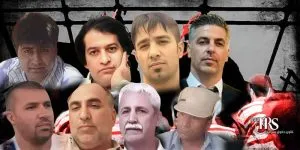
Facing political, economic, and nuclear crises, the regime relies on waves of Iran executions to restore control. This systematic approach is not about curbing crime but about intimidating society and suppressing protests. By showcasing its power through executions, the regime aims to deter dissent and maintain dominance. However, this strategy often backfires, as public outrage and protests continue to challenge the government’s authority.
The 1988 Massacre: A Historical Precedent
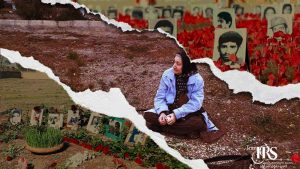
A stark example of this policy is the 1988 massacre of political prisoners. After the Iran-Iraq War ended on August 20, 1988, the regime faced a legitimacy crisis. To reassert control, it launched a massive wave of executions, targeting thousands of political opponents. Khomeini’s decree formalized this act, which aimed to eliminate dissent and instill fear. This politically motivated massacre set a precedent for using executions as a tool to manage crises.
Repeating the Pattern in Modern Crises
The regime continues this pattern today. Economic instability, nuclear tensions, and declining legitimacy drive waves of Iran executions. These acts serve two goals: demonstrating the regime’s strength and intimidating citizens to prevent protests. By repeating the 1988 strategy, the government seeks to suppress dissent and maintain power. Yet, the persistence of public unrest shows that this approach fails to address the root causes of societal discontent.
Lasting Impact on Families and Communities
Iran executions leave deep psychological scars on families and communities. Victims’ children and teenagers suffer severe emotional harm, growing up in an environment of fear and distrust. Neighbors, friends, and colleagues also face depression and anxiety, as the effects of state violence ripple through society. This widespread trauma undermines social cohesion and fuels resentment toward the regime.
Broader Consequences for Iranian Society
The human toll of Iran executions extends beyond individual victims. These acts disrupt social networks, increase repression, and weaken economic and cultural capacities. By fostering fear and distrust, executions erode the social fabric, making it harder for communities to resist or organize. The regime’s reliance on executions as a political tool deepens societal divisions and perpetuates a cycle of repression and unrest.

A Failed Strategy Amid Growing Resistance
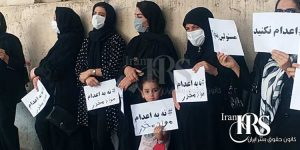
Despite the regime’s efforts, Iran executions have failed to suppress dissent. Nationwide uprisings and campaigns like “No to Executions Tuesdays” demonstrate the population’s resilience. These movements highlight the ineffectiveness of executions as a tool for control. Instead of silencing opposition, the regime’s actions fuel public anger and strengthen calls for change, exposing the failure of its repressive tactics.
The Path Forward: Ending Executions
To address the crisis of Iran executions, international pressure and judicial transparency are essential. Free dissemination of information can expose the regime’s human rights violations and rally global support for change. By reducing executions and restoring justice, Iran can begin to heal its social and psychological wounds. Continuing the current policy will only deepen distrust and exacerbate human rights crises.
See also the below articles:
- Maniyjeh Hasani Fard’s Warrantless Detention: Arbitrary Imprisonment in Fardis Karaj Prison
- Mohammad Ali Akbari Monfared’s Release Blocked: Ministry of Intelligence Ignores Critical Health Crisis
Follow Iran Human Rights Society on social networks:
Telegram /Twitter /Instagram / YouTube / Facebook
Join Iran Human Rights Society on Twitter






Discussion about this post