
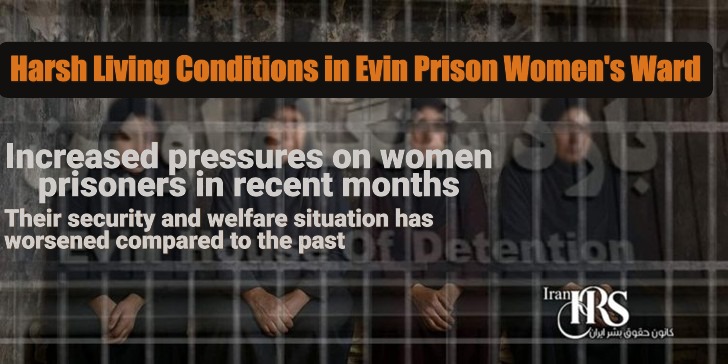
In the women’s ward of Evin Prison, approximately 60 political prisoners and 6 financial prisoners are held. Their living conditions are extremely harsh, and more than 10 of them are over 60 years old and require special medical care.
Iran Human Rights Society, Wednesday, November 26, 2024– Women political prisoners in Evin Prison face intensified pressure and deprivation daily. Authorities impose harsh conditions that threaten their health and dignity. In the women’s ward, around 60 political prisoners and 6 financial ones endure extreme hardships. Moreover, over 10 women exceed 60 years old. They urgently need special medical care. However, limited access to treatments worsens their struggles.
Harsh Living Conditions in Evin Prison Women’s Ward
The women’s ward in Evin Prison holds a large group of women political prisoners. Some suffer from limited physical strength due to age. Others battle serious illnesses that demand constant treatment. Yet, their environment remains extremely difficult. The space feels damp, dark, and contaminated. Poor air quality triggers respiratory problems for many. Furthermore, basic needs like hygiene products stay scarce. Hot water supplies fall short. Suitable clothing proves hard to obtain. Access to medical services lags behind requirements.
Increased Pressures on Women Prisoners in Recent Months
Pressures on women political prisoners in Evin Prison have surged lately. Many sense their security and welfare decline sharply. Restricted medication access hits hardest. Delays plague transfers to external treatment centers. Food portions shrink and spoil quickly. Hygiene concerns multiply unchecked. Guards enforce rules with little flexibility. Consequently, morale dips among the group.
These women once coped with familiar routines. Now, new restrictions bind them tighter. Letters from home arrive censored or not at all. Exercise yards close more often. Even simple requests for clean linens go ignored. A relative shares, “She sounds exhausted in every call.” Families bear the emotional toll too. They pace outside gates, hearts heavy with worry. Therefore, advocates urge immediate interventions. Without change, health crises loom larger.
Transfer from Qarchak to Evin: No Relief, Only Despair
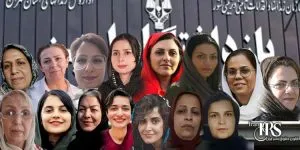
Women transferred from Qarchak Varamin Prison to Evin on the morning of October 9, 2024, hoped for better days. Instead, conditions hardened further. Restrictions tightened like a vice. New worries piled onto old ones. They anticipated easier access to facilities. However, reality dashed those dreams. Damp cells greeted them first. Then came the endless stairs and dim lights.
Daily life grew more confined. Meals arrived colder and scarcer. Medical checkups vanished from schedules. One transferree whispers, “Qarchak felt brutal, but this crushes the spirit.” Families track every update with dread. Visits strain under new limits. Children ask endless questions about absent mothers. As a result, despair spreads like fog. Prisoners cling to small acts of solidarity. They share stories late into the night. Yet, the weight presses down relentlessly. Change seems a distant whisper.
Critical Conditions in Ward 6: Dampness, Pollution, and Rats
Ward 6 in Evin women’s prison sits deep in the basement. Prisoners descend dozens of narrow, steep stairs to reach it. This setup hinders movement severely. Elderly women struggle most. The outdated structure screams neglect. Extreme dampness chokes the air. It turns heavy and suffocating by evening. Respiratory issues flare up daily. Joints ache from the perpetual moisture. Headaches throb without mercy.
Pollution coats every surface. Walls drip with condensation. Floors slick with unseen grime. The stench of sewage lingers in corners. Rats scurry boldly through rooms and halls. They invade personal spaces without fear. One prisoner recoils, “They climb into our beds at night.” Guards dismiss complaints with shrugs. No fumigation efforts emerge. Cleaning supplies dwindle to nothing. Therefore, infections spread unchecked. Families hear tales that chill their blood. A relative laments, “Evin worsens daily—far beyond Qarchak’s horrors.” Health hangs by a frayed thread here.
Food Ration Cuts and Soaring Prices in Evin Women’s Ward
Authorities cut raw rations completely for women political prisoners. These once included basics for simple cooking. Now, dependence shifts to the ward store entirely. However, prices there skyrocket beyond reach. Essential items cost a fortune. Families strain under the financial load. Sending money barely covers needs.
The ward kitchen stands shuttered and silent. This doubles the daily grind. Prisoners choose between prison slop or store overcharges. The provided food reeks of spoilage. It arrives undercooked or moldy. “We pick at it to survive,” one says grimly. Store alternatives tempt but drain wallets dry. Regular purchases prove impossible. As a result, hunger gnaws constantly. Weight drops unnoticed. Energy fades with each meal. Oversight lacks entirely. Conditions in Ward 6 blend hygiene woes with these shortages. Facilities vanish one by one. Health risks mount higher. Prisoners fight on, but the battle wears them thin.
Reduced Visits: From Biweekly to Monthly Isolation
Visits for women political prisoners dropped from every two weeks to once a month. This rollback echoes restrictions from years past. Families reel from the shock. Anxiety grips their conversations. Psychological strains hit prisoners hard. Social ties fray under the strain. Morale crumbles without those vital connections.
Children miss mothers’ faces keenly. Spouses endure lonely evenings. The change severs lifelines abruptly. Officials mutter promises of reviews. They dangle hopes of future easing. However, families endure the now. They crowd waiting areas monthly, eyes searching. Prisoners count days like stones. This isolation wounds deeply. It amplifies every prison echo. Therefore, mental health teeters on the edge. Advocates cry out for reversal. Without contact, despair roots firmly.
Medical Neglect for Chronic Illness Sufferers
A large number of women political prisoners in Evin require special care. They battle cancer, MS, brain tumors, and diabetes fiercely. Ongoing treatments define their fight. Yet, services arrive incomplete and late. Urgent needs go unmet for weeks. Illnesses flare without warning. Health spirals downward unchecked.
Facilities fall short of basics. Medical staff numbers dwindle daily. Simple exams wait in endless queues. Medications arrive sporadic at best. One patient gasps, “Pain builds until I break.” Elderly prisoners fare worst. Their bodies betray them faster. Delays turn manageable woes into crises. As a result, hospital runs multiply. But even those falter. Families plead from afar, voices hoarse. This deprivation violates every care standard. Prisoners endure, but at what cost?
Lingering Damage from Evin Prison Attack
The attack on Evin Prison left scars that time ignores. In the women’s ward, burn marks scar walls and ceilings. Damages persist without repair. No reconstruction stirs the air. Daily life grinds amid ruins. Soot clings to fabrics. Ash dust irritates lungs. Prisoners sweep debris daily, futilely.
Environmental hazards linger like ghosts. Ceilings sag in spots. Floors crack underfoot. Ventilation chokes on remnants. Guards offer no aid. “Live with it,” they snap curtly. Families glimpse the chaos in rare photos. Hearts sink at the sight. Therefore, safety feels like a joke. Health threats compound with each breath. This neglect screams indifference. Women political prisoners deserve better—now.
Harsh Sentences and Execution Fears Among Prisoners
Sentences crush spirits in Evin women’s ward. Varisheh Moradi, Pakhshan Azizi, and Nesimeh Eslam-Zehi face execution. Fear shadows their every step. Forough Taghipour and Marzieh Farsi draw 15 years each. Seven others serve 10-year terms. These punishments signal planned crackdowns. Opponents feel the regime’s iron fist.
Psychological weights press relentlessly. Sleepless nights multiply. Families huddle in prayer vigils. “How do we fight this?” one asks tearfully. Guards enforce isolation to break wills. However, resolve hardens instead. Prisoners share defiant whispers. They honor lost comrades. This suppression breeds quiet rebellion. Courage flickers amid the dread.
Survivors from 1980s and Imprisoned Mothers’ Struggles
Zahra Safaei survived 1980s crackdowns. She witnessed the 1988 massacre’s horrors. Her story fuels current fires. Many prisoners mother young ones. Shiva Esmaili and Zahra Safaei entered chains with children in tow. Arrests tore families apart brutally.
Kids endure prison’s grip too. Psychological scars run deep. Physical strains wear tiny bodies. Education slips through cracks. Playtime vanishes entirely. Care basics elude grasp. Mothers ache with helplessness. “I can’t shield them here,” one weeps. Access to toys or books stays denied. Therefore, growth stunts in shadows. Families outside advocate fiercely. These bonds test limits daily. Resilience shines through tears.
Plight of Sunni Women and Mothers in Isolation
Sunni women from Afghanistan, Tajikistan, India, and Jordan rot in separate cells. Basic facilities evade them completely. Legal rights mock their existence. Hygiene items prove luxuries untold. Two birthed babies amid concrete walls. No cribs soften the cold. Formula bottles stay dreams. Baby wipes vanish like mist.
Harshness scars infants early. Health falters without nurture. Growth milestones pass unmarked. Mothers cradle fragile forms desperately. “They cry for what we lack,” one murmurs. Guards turn blind eyes. Isolation amplifies every wail. As a result, bonds strain under neglect. Children bear adult burdens young. This cruelty defies all humanity. Voices rise, but echoes fade.
Widespread Human Rights Violations in Evin Women’s Ward
Women political prisoners in Evin endure unsanitary hells, brutal sentences, treatment denials, and forced rifts. These acts shred fundamental rights blatantly. Hygiene fails at every turn. Sentences crush without mercy. Care withholds life itself. Separations wound souls deeply. The ward embodies systemic abuse.
Violated International Rights Provisions
- Article 10 of the International Covenant on Civil and Political Rights (ICCPR)- Prisoners must be held with human dignity, but unsanitary conditions and lack of reconstruction violate this right.
- Article 12 of the International Covenant on Economic, Social and Cultural Rights (ICESCR)- Deprivation of sick women and the elderly from medical services is a clear violation of the right to health.
- Articles 9 and 14 of the International Covenant on Civil and Political Rights (ICCPR)-Issuing harsh sentences, unfair trials, and lack of proper access to lawyers violate these articles.
- Articles 6, 24, and 27 of the Convention on the Rights of the Child (CRC)- Detention of mothers with children and lack of facilities for infants directly violate these commitments. (Iran is a member of the Convention on the Rights of the Child.)
- Article 7 of the International Covenant on Civil and Political Rights (ICCPR)- Holding in isolation cells, psychological pressure, and degrading behaviors violate the absolute prohibition of torture.
The situation of the women’s ward in Evin Prison is an example of the systematic suppression of women in Iran. From the lack of hygiene and basic facilities to harsh sentences and inhumane behaviors, the regime tries to stop active and freedom-seeking women and subdue them with psychological, physical, and legal pressure. However, these women, with endurance, courage, and resistance, remain symbols of the struggle for justice and freedom, and their voice is inspiring to many human rights activists.
See also the below articles:
- Iran Executes 11 more Prisoners Including Woman in Multiple Prisons
- Shahram Tahzib Arrest Heightens Fears for Bahá’ís in Golestan Province
Follow Iran Human Rights Society on social networks:
Telegram /Twitter /Instagram / YouTube / Facebook
Join Iran Human Rights Society on Twitter







Discussion about this post